




What's Happening?
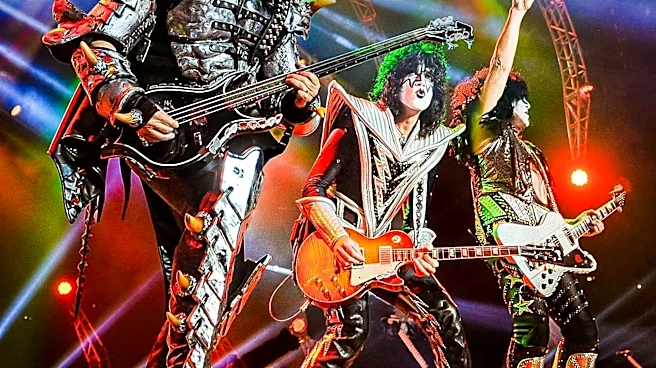
In 1996, the iconic rock band KISS opted to abandon their grunge-influenced album, 'Carnival Of Souls,' in favor of a highly anticipated reunion tour with all original members. The band, which had seen its original drummer Peter Criss depart in 1980 and guitarist
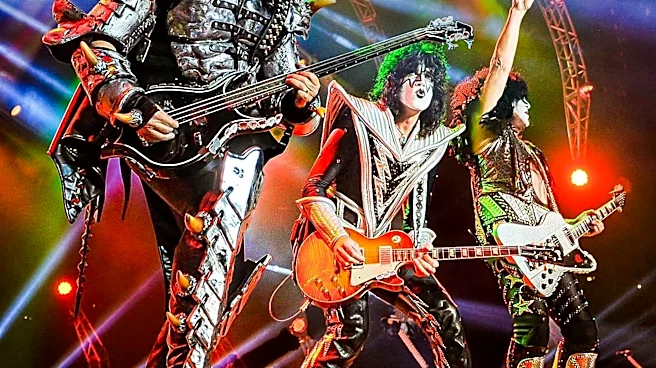
Ace Frehley in 1982, had continued with new members and even removed their signature makeup in 1983. However, sensing a strong demand for a reunion, Gene Simmons and Paul Stanley brought back Criss and Frehley for an MTV Unplugged performance, which set the stage for a full-scale comeback. This decision meant shelving 'Carnival Of Souls,' an album recorded in 1995 that represented the band's attempt to venture into grunge territory. The reunion was officially announced at the 38th Grammy Awards on February 28, 1996, where the original members appeared in full makeup and costume, followed by a major press conference in New York City. The Alive/Worldwide Tour launched on June 28, 1996, at Tiger Stadium in Detroit to a sold-out crowd.
Why It's Important?
This strategic decision by KISS to prioritize a reunion with its original lineup over the release of a new album had significant implications for the band's legacy and the music industry. By tapping into the nostalgia and demand for the original shock rock persona, KISS generated substantial financial success, with the Alive/Worldwide Tour grossing over $43.6 million and becoming the top-drawing tour of 1996 and 1997. This move demonstrated the powerful commercial appeal of reunions and established acts, even at the expense of exploring new musical directions. For fans, it offered a chance to relive the band's classic era, while for the music industry, it highlighted the enduring market for established brands and the potential for significant revenue generation through strategic comebacks. The abandoned grunge album, 'Carnival Of Souls,' was eventually released in 1997, but by then, the grunge movement had largely passed, underscoring the timing-sensitive nature of musical trends.
What's Next?
While the immediate 'next' for KISS following the reunion was the highly successful Alive/Worldwide Tour, the long-term impact of this decision shaped the band's trajectory. The reunion solidified the original lineup's iconic status and set a precedent for future tours and appearances. Although guitarist Bruce Kulick, who had been with the band for decades, was dismissed during this period, drummer Eric Singer, another non-original member, later returned to the band for multiple stints. The band's continued touring and brand management, including the eventual planning of an avatar-based show for 2028, indicate a sustained focus on leveraging their established image and fan base. The success of the 1996 reunion likely influenced subsequent decisions regarding lineup changes and the band's overall business strategy, emphasizing the enduring power of their original persona.
Beyond the Headlines
The KISS reunion in 1996 offers a compelling case study in brand management and the power of nostalgia in the entertainment industry. By choosing to revert to their original, highly recognizable image and lineup, KISS effectively re-energized their brand and capitalized on a deep-seated fan desire for authenticity. This decision also highlights the tension between artistic evolution and commercial viability in music. While 'Carnival Of Souls' represented an attempt at musical innovation, the commercial imperative of the reunion ultimately prevailed. This event underscores how established artists can strategically leverage their past to secure future success, sometimes at the cost of exploring new creative avenues. It also speaks to the cultural phenomenon of 'classic rock' and the enduring appeal of bands that defined an era, demonstrating that a well-executed comeback can be more impactful than a new, potentially less familiar, artistic direction.