
What's Happening?
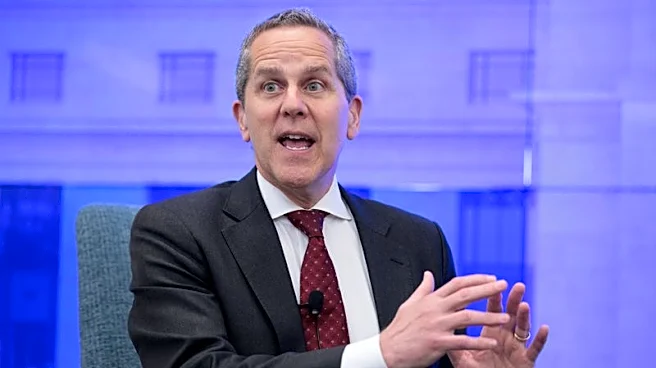
Tom Shapiro of Brightshore Capital has highlighted the significant issue of housing affordability in the United States, particularly as mortgage rates climb to 7%. Shapiro, appearing on 'Closing Bell Overtime,'
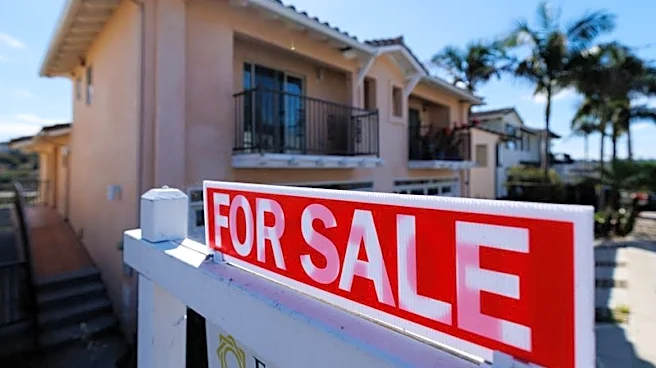
discussed the direct impact of these rising rates on the real estate market. The increase in mortgage rates makes homeownership less accessible for many Americans, exacerbating an already challenging housing landscape. This development is part of a broader economic trend where borrowing costs are increasing, affecting various sectors, but particularly hitting the housing market due to the large sums involved in home purchases. The discussion underscores the current financial pressures faced by prospective homebuyers and the potential for a slowdown in real estate transactions as affordability becomes a primary concern.
Why It's Important?
The escalating housing affordability crisis, driven by rising mortgage rates, carries substantial implications for the U.S. economy and its citizens. For individuals and families, higher mortgage rates translate to increased monthly payments, making it harder to qualify for loans and reducing purchasing power. This can lead to a decline in homeownership rates, particularly among first-time buyers and lower-income households, widening wealth disparities. From an economic perspective, a slowdown in the housing market can impact related industries such as construction, real estate services, and home furnishings, potentially leading to job losses and reduced economic activity. Lenders may also face challenges with decreased loan demand and increased default risks if homeowners struggle with higher payments. The situation could also influence consumer confidence and overall economic stability, as housing is a significant component of household wealth and national GDP.
What's Next?
The immediate future of the U.S. housing market will likely see continued pressure on affordability if mortgage rates remain elevated or increase further. Potential homebuyers may delay purchases, leading to a cooling of demand and possibly a stabilization or slight decrease in home prices in some areas, though this is not guaranteed given persistent supply shortages. Policymakers and financial institutions will be closely monitoring these trends, with potential discussions around interventions to support housing accessibility, such as first-time buyer programs or adjustments to lending standards. The Federal Reserve's future interest rate decisions will be a critical factor, as any further hikes could intensify the affordability challenge. Real estate professionals and economists will be watching for shifts in inventory levels and buyer behavior to gauge the market's direction in the coming months.
Beyond the Headlines
Beyond the immediate financial implications, the housing affordability crisis touches upon deeper societal issues, including intergenerational wealth transfer and social mobility. The inability of younger generations to afford homes can hinder their ability to build equity and secure financial stability, potentially perpetuating economic inequalities. This situation also raises questions about urban planning and development, as demand for housing continues to outstrip supply in many desirable areas. The long-term consequences could include increased rental populations, greater competition for affordable housing, and a shift in demographic patterns as people move to more affordable regions. The crisis also highlights the delicate balance between controlling inflation through interest rate hikes and ensuring essential needs like housing remain accessible to the broader population, posing a complex challenge for economic governance.