
What's Happening?
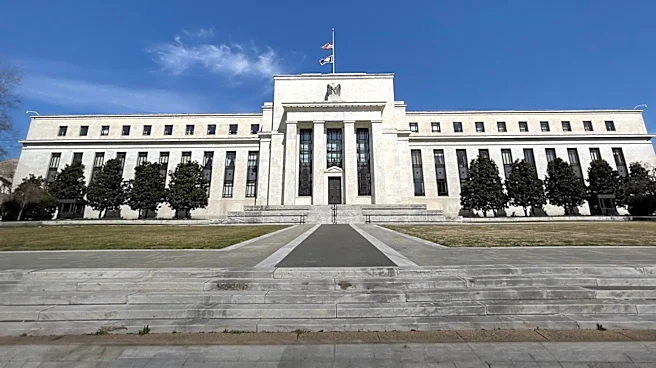
The confirmation of Kevin Warsh as Federal Reserve Chair and the actions of Treasury Secretary Scott Bessent have been described as a 'double whammy' to global markets. Warsh's preference for limited public communication has left investors uncertain about
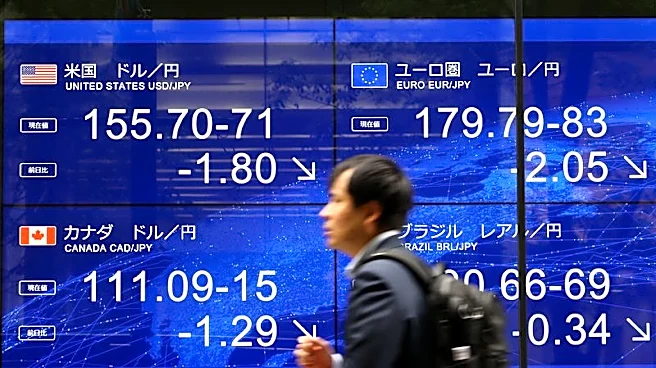
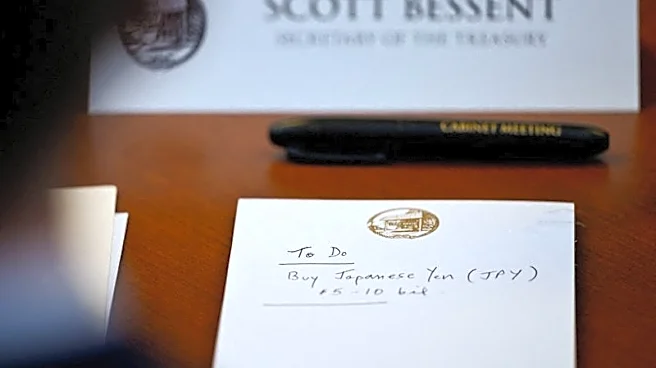
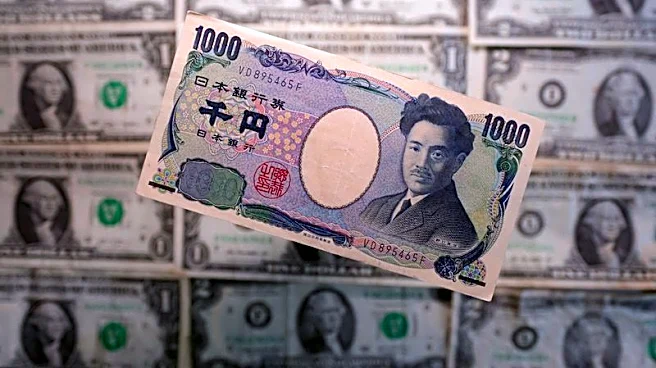
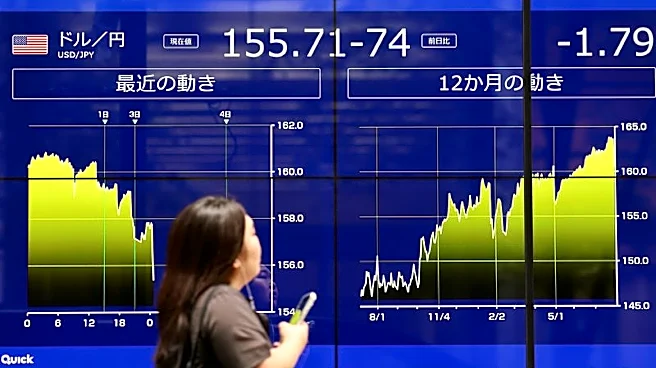
the Fed's policy direction, contributing to a rise in 30-year Treasury yields to their highest levels since 2007. Concurrently, Bessent authorized a U.S.-coordinated intervention to support the Japanese yen, signaling a shift in currency policy. These developments have reignited the 'Sell America' debate, as investors reassess the implications of U.S. monetary and fiscal policies.
Why It's Important?
The rise in Treasury yields and the coordinated currency intervention reflect significant shifts in U.S. economic policy that could have far-reaching effects on global markets. Higher yields indicate investor concerns about inflation and the Fed's ability to manage economic growth. The intervention in currency markets suggests a strategic move to influence exchange rates, which could impact international trade and investment flows. These actions highlight the interconnectedness of monetary and fiscal policies and their potential to influence global economic stability.
What's Next?
As markets adjust to these policy shifts, the Federal Reserve's future actions will be closely scrutinized. Investors will be looking for clarity on the Fed's stance on interest rates and inflation management. Additionally, the impact of the currency intervention on the U.S. dollar and global trade dynamics will be monitored. The ongoing dialogue between the Fed, the Treasury, and international partners will play a crucial role in shaping the economic landscape in the coming months.