


What's Happening?
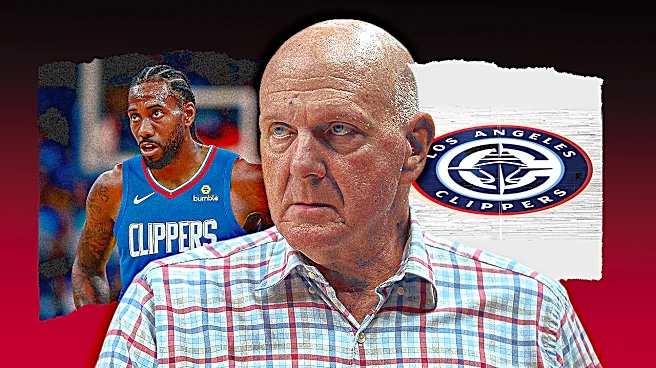
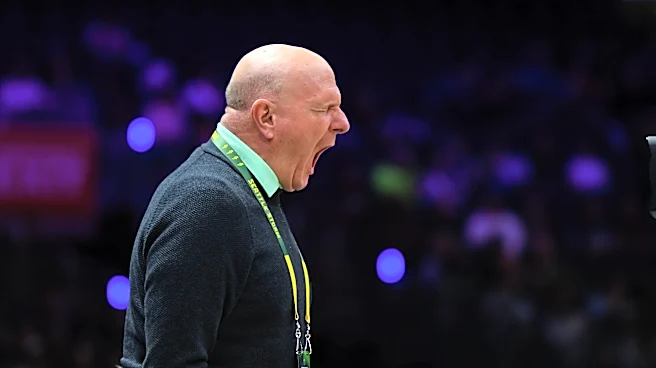
The National Basketball Association (NBA) has imposed significant penalties on the Los Angeles Clippers organization. The team has been fined $30 million, and its owner, Steve Ballmer, has been suspended for one year. These actions follow an extensive
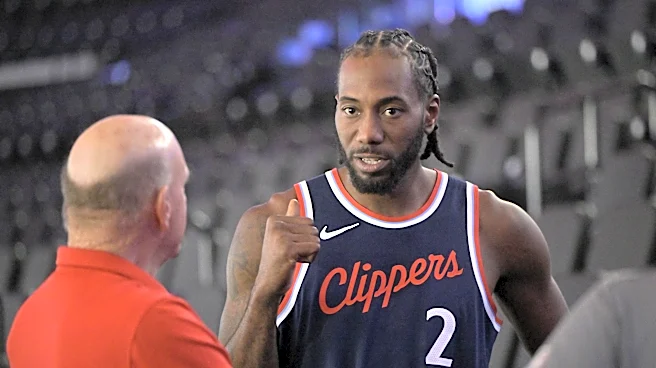
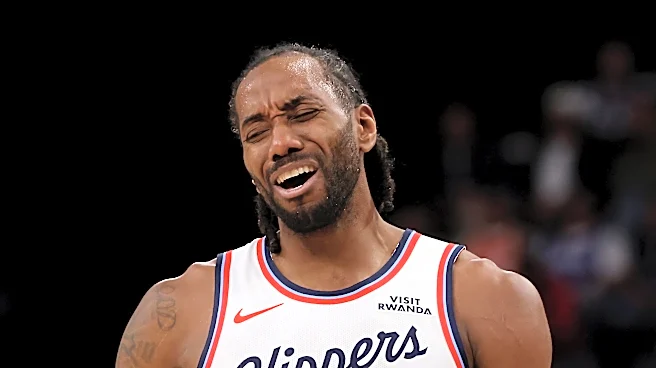
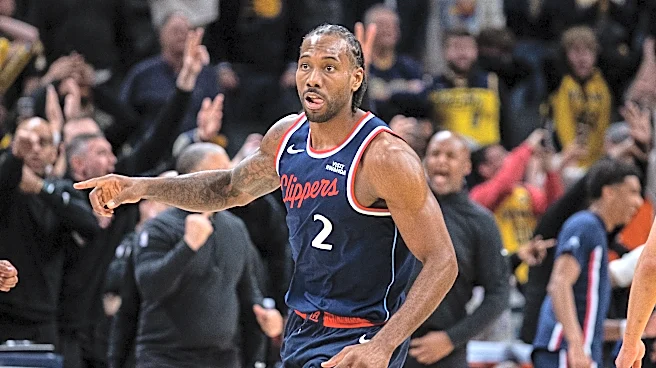
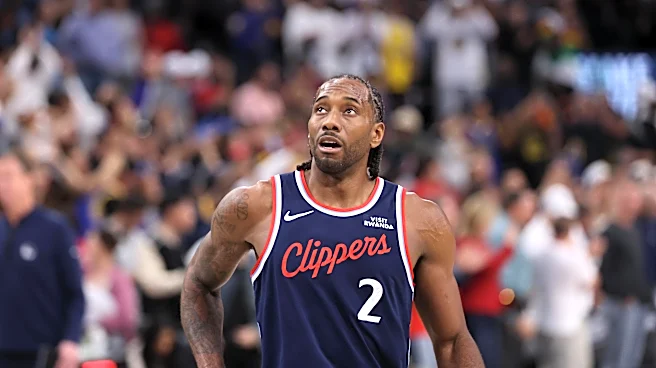
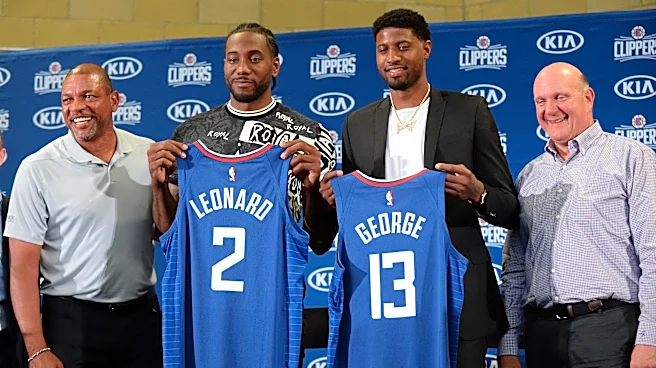
investigation by the NBA into salary cap violations. The violations are specifically linked to the acquisition of star player Kawhi Leonard. The league's inquiry uncovered breaches of rules designed to maintain competitive balance and financial integrity within the sport. The penalties were announced on September 2, 2026, as reported by NBC News. This decision underscores the NBA's commitment to enforcing its regulations, particularly concerning player contracts and team spending limits. The investigation focused on the circumstances surrounding Leonard's move to the Clippers, scrutinizing whether any impermissible benefits or agreements were made outside the official salary cap structure. The league's findings led directly to the substantial financial penalty and the suspension of the team's principal owner.
Why It's Important?
This ruling by the NBA carries significant implications for the league's financial landscape and team governance. The $30 million fine is one of the largest ever levied against an NBA franchise, signaling a stern warning to other teams regarding adherence to salary cap rules. For the Los Angeles Clippers, this penalty not only represents a substantial financial hit but also a reputational blow, potentially affecting future player recruitment and fan perception. The suspension of owner Steve Ballmer for a year is particularly noteworthy, as it removes a key decision-maker from direct involvement in team operations for an extended period. This could impact strategic planning, major transactions, and overall team direction. The case highlights the ongoing tension between teams' desires to attract top talent and the league's efforts to ensure fair play and prevent competitive imbalances through strict financial regulations. It reinforces the idea that even high-profile owners and successful franchises are not exempt from severe consequences when violating league policies.
What's Next?
Following the NBA's decision, the Los Angeles Clippers will need to navigate the upcoming year without the direct involvement of owner Steve Ballmer. This will likely necessitate a restructuring of leadership responsibilities within the organization to ensure continuity in operations and decision-making. The team will also face the challenge of managing the financial impact of the $30 million fine, which could influence future spending and roster construction. Other NBA teams will undoubtedly scrutinize this case, potentially leading to increased caution and stricter internal compliance measures regarding salary cap rules and player recruitment practices. The league's firm stance may deter similar violations in the future, fostering a more rigorous adherence to financial regulations across the board. The Clippers' performance and strategic moves in the coming season will be closely watched to see how they adapt to these significant penalties and the absence of their owner.
Beyond the Headlines
The Clippers' penalty extends beyond immediate financial and operational impacts, touching upon broader ethical considerations within professional sports. The investigation into salary cap violations, particularly those linked to star player recruitment, raises questions about the integrity of competition and the fairness of player acquisition processes. Such incidents can erode public trust in the sport's governance and the perceived level playing field among teams. The league's decisive action, including the suspension of a prominent owner, underscores a commitment to upholding the spirit of its rules, even when it involves powerful figures. This case could prompt a re-evaluation of existing salary cap enforcement mechanisms and potentially lead to discussions about even stricter regulations or more transparent processes to prevent future transgressions. It also highlights the complex interplay between financial power, competitive ambition, and regulatory oversight in professional sports, where the pursuit of success must always be balanced with adherence to established rules.