




What's Happening?
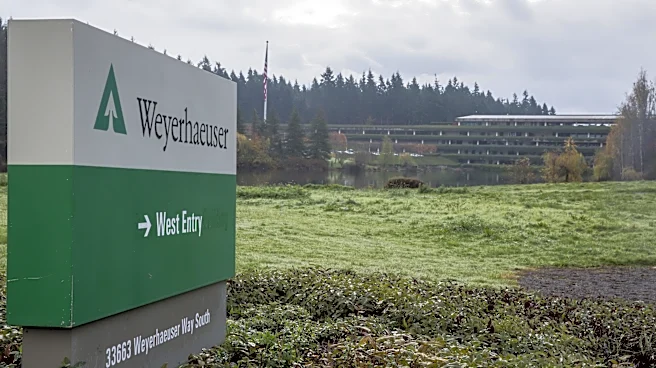
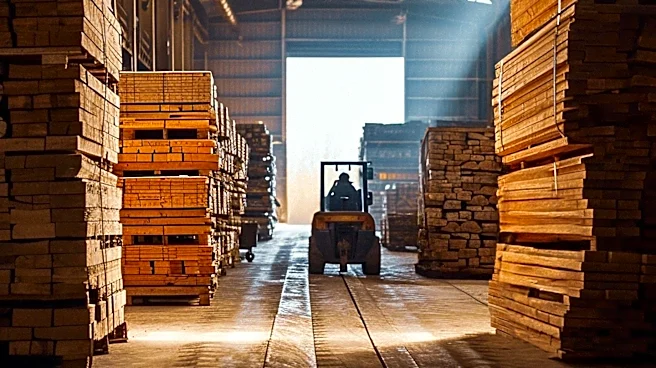
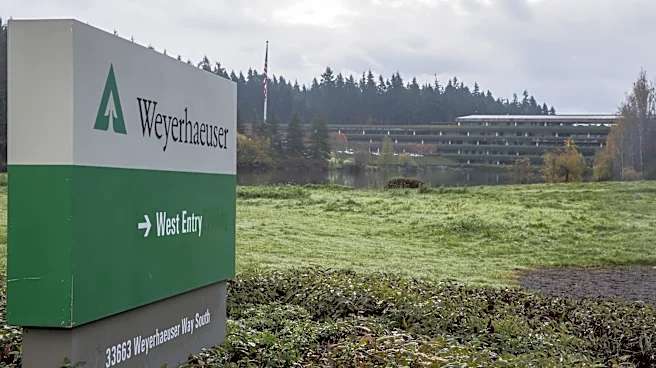
West Fraser Timber Co. Ltd., a prominent player in the global softwood timber market, continues to be recognized as a leader due to its extensive manufacturing capabilities and advanced technological integration. The company, alongside Weyerhaeuser and Canfor
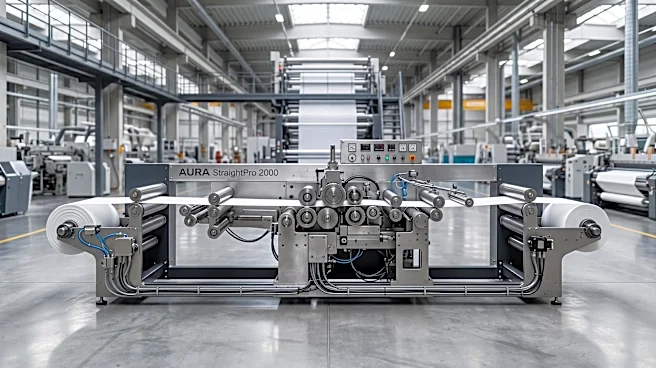
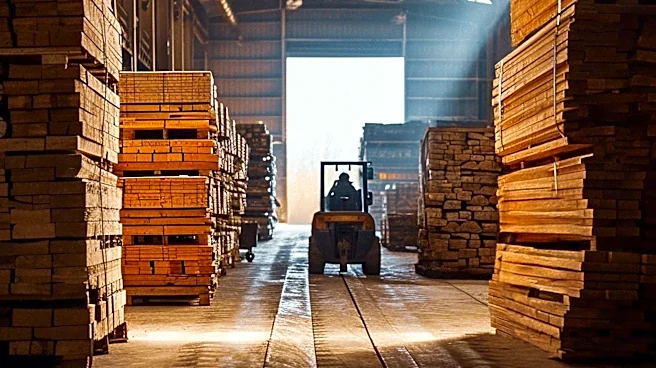
Corporation, distinguishes itself through its massive scale and diversified product portfolio, which includes high-grade structural lumber and specialized engineered wood products. These industry giants leverage automated manufacturing processes and precision milling technologies to serve a broad spectrum of high-volume customer segments, such as large-scale residential construction firms and industrial wholesalers. This strategic approach allows West Fraser Timber to maintain a resilient market standing by balancing raw material security with cutting-edge processing capabilities, ensuring consistent quality and reliable delivery in the softwood timber sector. The company's operational model emphasizes economies of scale, enabling it to dominate high-volume supply chains within the industry.
Why It's Important?
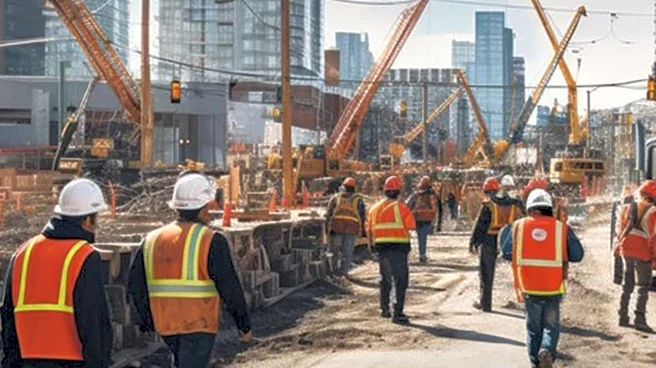
West Fraser Timber's continued dominance in the softwood timber market has significant implications for the U.S. construction and housing industries. As a major supplier, its operational efficiency and product diversity directly influence the availability and cost of essential building materials. The company's ability to maintain consistent quality and reliable delivery helps stabilize supply chains for residential and commercial construction projects across the United States. Furthermore, its investment in advanced manufacturing technologies sets a benchmark for the industry, potentially driving innovation and efficiency improvements among competitors. For U.S. businesses reliant on timber products, West Fraser's strong market position means a dependable source of materials, which is crucial for project planning and cost management. Any shifts in its production capacity or market strategy could ripple through the U.S. economy, affecting everything from housing affordability to the profitability of construction firms.
What's Next?
The competitive landscape within the softwood timber market is expected to undergo significant transformations, which could impact West Fraser Timber's future strategies. Rapid advancements in automated harvesting and precision milling technologies are likely to favor large-scale producers like West Fraser, who can absorb high capital expenditures to enhance yield efficiency. Simultaneously, tightening environmental regulations and stringent carbon sequestration mandates may penalize traditional logging practices, rewarding manufacturers that integrate sustainable forest management and circular economy principles. West Fraser Timber will likely need to continue adapting its operations to meet these evolving environmental standards to maintain its market leadership. Furthermore, shifting geopolitical landscapes and evolving trade policies could trigger supply chain migrations, requiring the company to adjust its logistics and distribution networks to mitigate rising costs and ensure consistent material availability in key markets, including the U.S.
Beyond the Headlines
The long-term implications of West Fraser Timber's market position extend beyond immediate supply and demand dynamics. The company's emphasis on technological integration and large-scale production highlights a broader industry trend towards automation and efficiency, which could lead to job displacement in traditional logging and milling sectors while creating new opportunities in advanced manufacturing and technology management. Ethically, the increasing focus on sustainable forest management and carbon sequestration mandates places pressure on all timber companies, including West Fraser, to adopt more environmentally responsible practices. This shift could redefine industry standards and consumer expectations regarding the environmental footprint of wood products. Legally, evolving trade policies and environmental regulations will continue to shape the operational framework for international timber companies, potentially influencing investment decisions and market access. Culturally, the demand for sustainably sourced materials is growing, pushing companies like West Fraser to not only comply with regulations but also to proactively engage in responsible forestry to meet consumer preferences and maintain brand reputation.