
What's Happening?
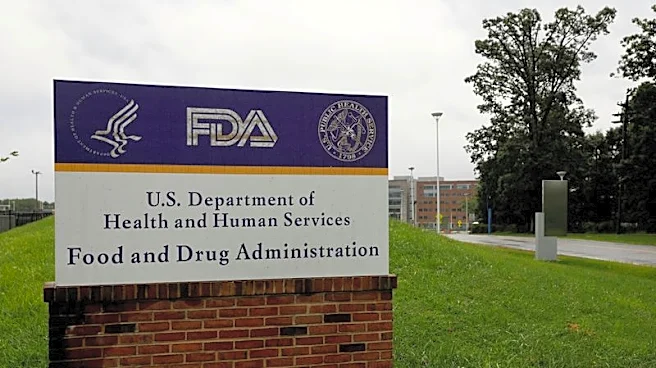
The U.S. Food and Drug Administration (FDA) has issued a second rejection for Capricor's Duchenne muscular dystrophy cell therapy, deramiocel. The agency cited data integrity issues within Capricor's Phase
3 trial as the primary reason for the denial, stating that the data did not meet its efficacy standards. This decision was communicated in a rare public statement on the FDA's website. Capricor CEO Linda Marbán expressed 'giant shock' at the rejection and disputed the FDA's claims regarding data integrity. This rejection is part of a series of decisions made by the FDA in the past ten days, which also included approvals for other companies like Regeneron, BridgeBio, Sanofi, GSK, and Roche, alongside another rejection for Summit Therapeutics' ivonescimab.
Why It's Important?
The FDA's second rejection of Capricor's deramiocel, specifically citing data integrity issues, carries significant implications for the biopharmaceutical industry and patient communities. For Capricor, this decision represents a major setback, potentially impacting its financial stability and future research and development efforts. The public nature of the FDA's statement on data integrity is unusual and underscores the agency's commitment to rigorous standards for drug approval, particularly for therapies addressing serious conditions like Duchenne muscular dystrophy. This emphasis on data integrity could lead to increased scrutiny of clinical trial practices across the industry, potentially prompting other companies to review their own data management and reporting protocols. For patients and their families awaiting new treatments for Duchenne muscular dystrophy, this rejection is a disappointment, highlighting the challenges and complexities involved in bringing innovative therapies to market.
What's Next?
Capricor CEO Linda Marbán has publicly pushed back against the FDA's data integrity claims, indicating a potential for further engagement or dispute with the agency. The company will likely need to address the FDA's concerns directly, which could involve re-analyzing existing data, conducting additional studies, or seeking further clarification from the FDA on the specific issues identified. The path forward for deramiocel remains uncertain, but Capricor will need to formulate a clear strategy to overcome these regulatory hurdles. Meanwhile, the broader biopharma industry will be closely watching how this situation unfolds, as it could set precedents for how the FDA handles data integrity concerns in future drug applications. Other companies with therapies in development for Duchenne muscular dystrophy may also face increased scrutiny.
Beyond the Headlines
The FDA's rare public statement regarding data integrity issues with Capricor's trial goes beyond a typical rejection, signaling a heightened focus on the foundational trustworthiness of clinical research. This could trigger a broader re-evaluation within the biopharma sector regarding the ethical conduct of trials and the transparency of data reporting. The incident may prompt industry-wide discussions on best practices for data management, quality control, and the potential for independent audits to bolster public and regulatory confidence. For patients, particularly those with rare diseases like Duchenne muscular dystrophy, such rejections, while necessary for safety and efficacy, underscore the emotional toll and the critical need for robust, unimpeachable scientific evidence in the pursuit of new treatments. This event could ultimately lead to stronger regulatory frameworks and a more stringent approach to clinical trial oversight, aiming to prevent similar issues in the future.