



What's Happening?
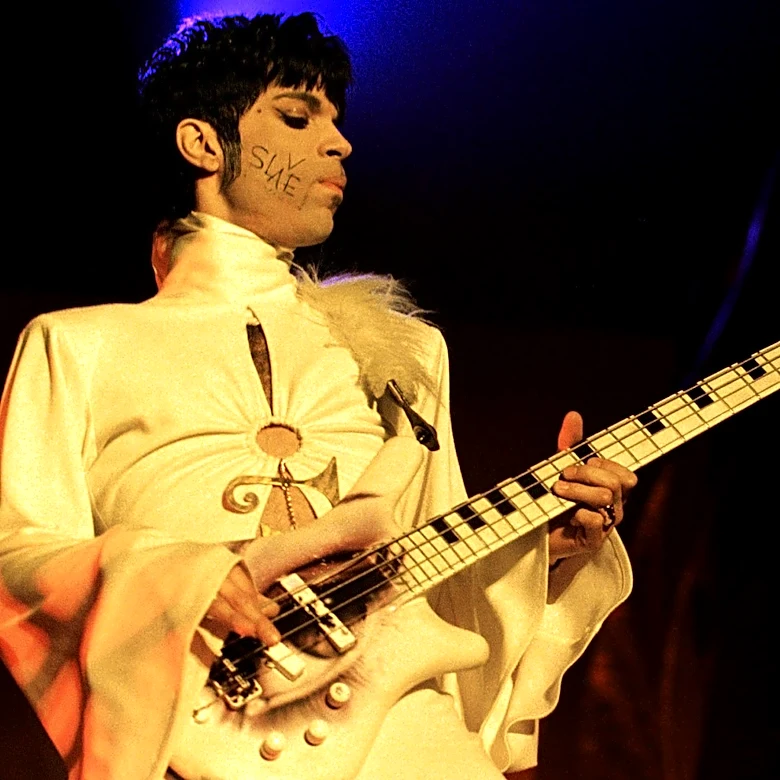
Prince famously reclaimed the song 'Kiss' from the funk and R&B group Mazarati, a band he was working with through his Paisley Park Records label. Initially, 'Kiss' was conceived as a simpler folk-like song with only a few chords, one verse, and one chorus,
sung in Prince's normal register. Producer David Z, a longtime collaborator of Prince, helped develop the track into an infectious funk rhythm using a drum machine, a delayed hi-hat, and an acoustic guitar. However, Prince subsequently took the song back, replacing the vocals with his signature falsetto, removing the bass part, and adding a James Brown-inspired guitar lick. When confronted by Z, Prince stated, 'It’s too good for you guys. I’m taking it back.' Mazarati's backing vocals remained on the final record, but they did not receive the promised songwriting credit. The track's release marked a significant turning point for Prince, ushering in a more refined image and sound, and despite initial skepticism from Warner Bros executives who thought it sounded like a demo, Prince insisted on its release.
Why It's Important?
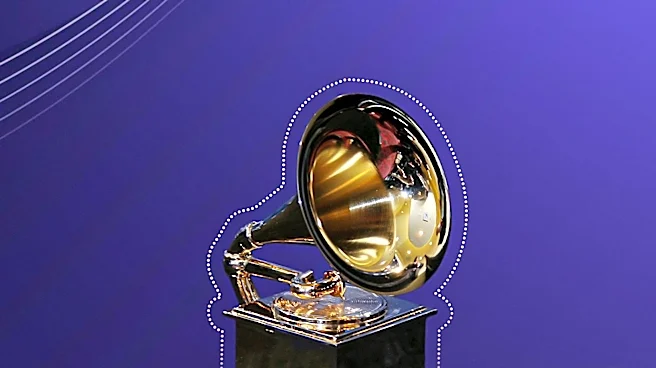
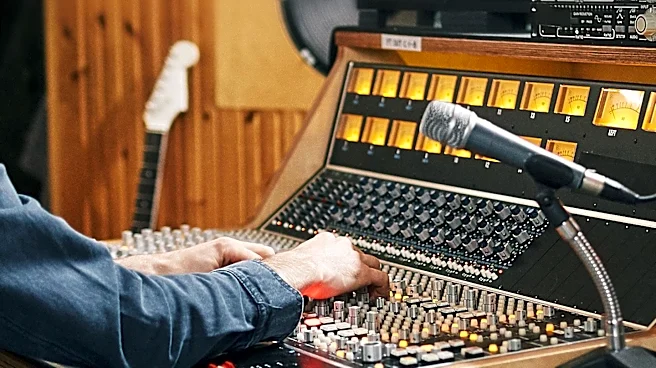
The reclamation and subsequent success of 'Kiss' had a profound impact on Prince's career and solidified his status as a musical innovator. The song, recorded with a strikingly stripped-back arrangement on only nine tracks of tape, no bass guitar, and minimal reverb, demonstrated Prince's artistic vision and his ability to create groundbreaking music. Its success reignited his career at a time when some believed he had peaked, proving his enduring relevance and creative prowess. The incident also highlights the power dynamics within the music industry, where established artists like Prince could exert significant control over their work and the careers of those they mentored. For Mazarati, losing 'Kiss' meant missing out on a potential breakout hit, which could have significantly altered their trajectory in the music industry. The song went on to earn Prince a Grammy for 'Best R&B Performance by a Duo or Group with Vocal' in 1987, cementing its place as one of his most iconic tracks.
What's Next?
While the event itself is historical, its legacy continues to influence how artists and labels approach creative control and intellectual property in music. The story of 'Kiss' serves as a cautionary tale for emerging artists regarding contractual agreements and the potential for established figures to assert ownership over collaborative works. For Prince's estate, 'Kiss' remains a cornerstone of his extensive catalog, continuing to generate revenue and maintain his artistic legacy. The song's unique production and sound continue to be studied and appreciated by music enthusiasts and producers, influencing contemporary music production techniques. The narrative also contributes to the mystique surrounding Prince's creative process, showcasing his uncompromising artistic vision and his willingness to challenge industry norms to achieve his desired sound.
Beyond the Headlines
The story of 'Kiss' delves into the complex ethical considerations surrounding artistic collaboration and ownership. While Prince's decision ultimately led to a globally recognized hit, it raises questions about fair credit and compensation for contributing artists, particularly those in less powerful positions. The incident underscores the often-unspoken power imbalances in the music industry, where the creative contributions of backing musicians or developing artists can be overshadowed or absorbed by a dominant figure. Furthermore, the song's minimalist production, initially deemed a 'demo' by executives, challenged conventional recording standards of the time, demonstrating Prince's foresight in pushing artistic boundaries. This move not only defined a new era for his sound but also influenced subsequent trends in music production, proving that artistic merit can sometimes defy commercial expectations and industry norms. The narrative also highlights the intense creative environment that Prince fostered, where ideas were fluid and ownership could shift based on artistic vision.