


What's Happening?
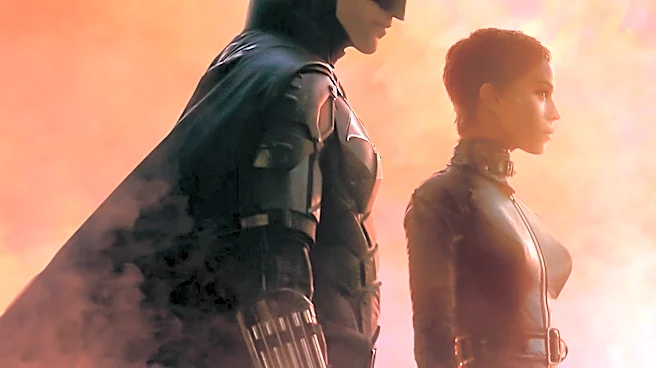
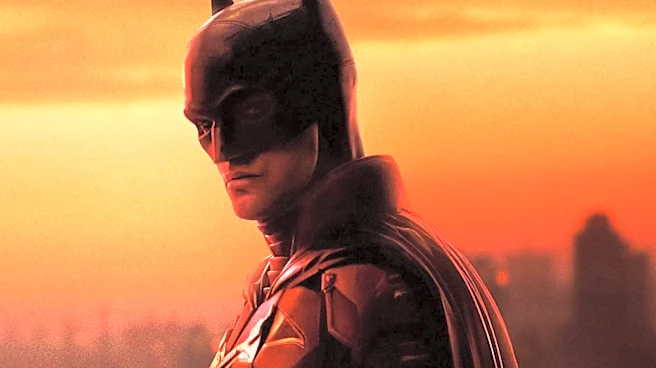
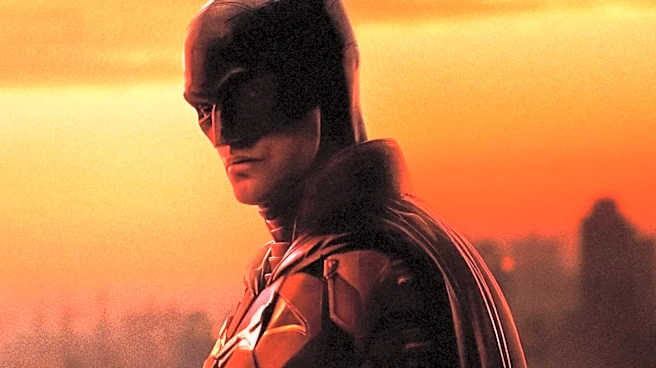
The upcoming film, 'The Batman Part II,' is reportedly set to be the final movie featuring Robert Pattinson as Batman and the conclusion of Matt Reeves' 'Batman Epic Crime Saga.' The film, directed by Matt Reeves and Steven Soderbergh, is scheduled for
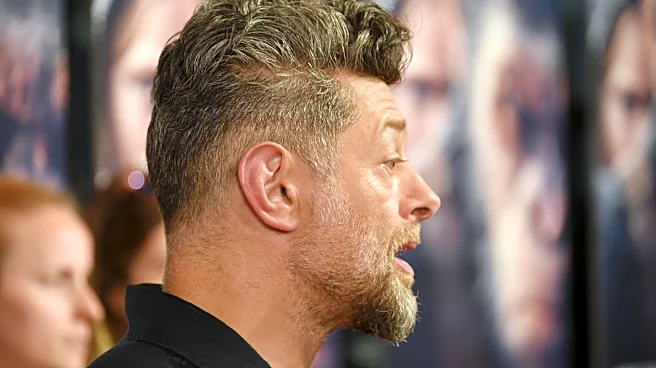
release on February 18, 2028. Production has faced multiple delays, with Steven Soderbergh taking over some directing duties due to personal issues experienced by Matt Reeves. This development suggests that a planned 'The Batman Part III' is unlikely, with sources indicating that Reeves and Pattinson will follow the precedent set by Tim Burton and Michael Keaton, who also made two Batman films together. The cast for 'The Batman Part II' includes Scarlett Johansson, Sebastian Stan, Colin Farrell, Andy Serkis, Jeffrey Wright, Charles Dance, Jayme Lawson, Gil Perez-Abraham, Sebastian Koch, and Brian Tyree Henry.
Why It's Important?
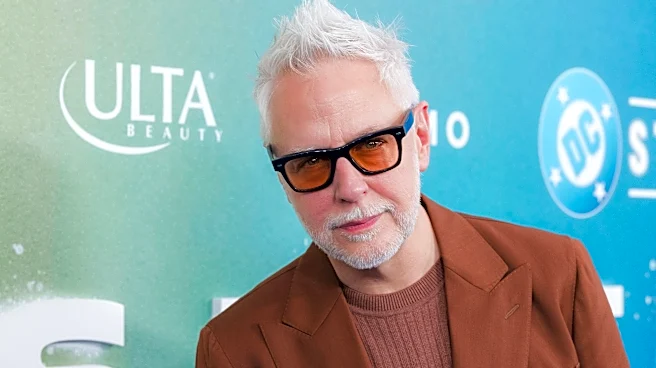
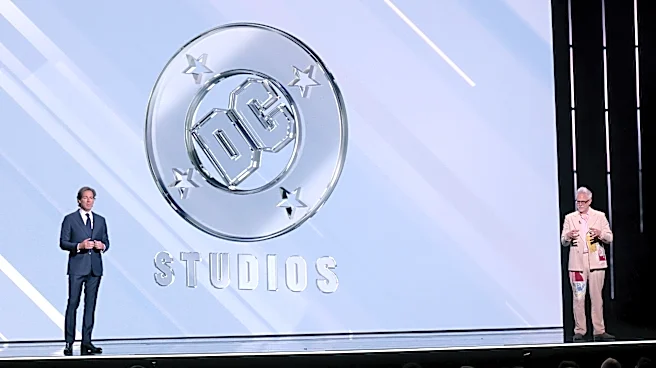
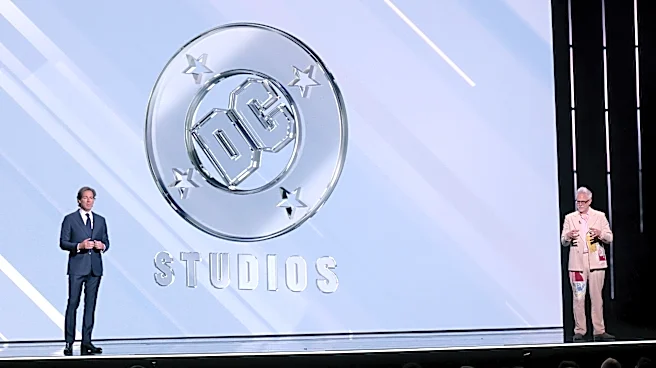
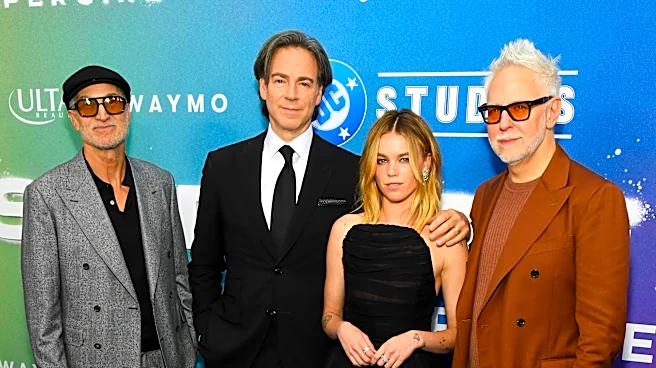
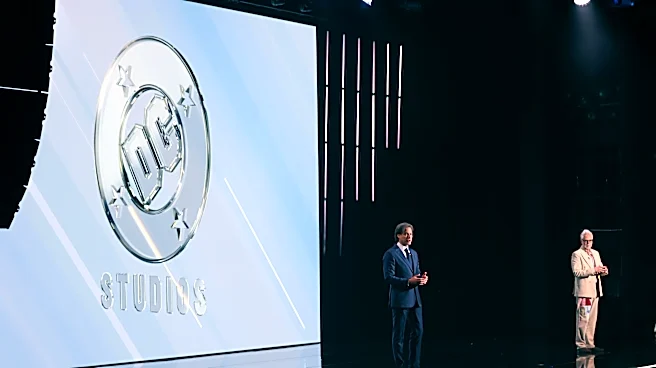
This news carries significant implications for the future of the DC Universe (DCU) and the trajectory of the Batman franchise. The decision to conclude Pattinson's tenure as Batman after two films, rather than a planned trilogy, could be influenced by the lengthy production timeline and the actor's potential commitment to other major roles, such as James Bond. For the DCU, this move might allow for a more unified and streamlined approach to its cinematic universe, as James Gunn and Peter Safran, co-CEOs of DC Studios, have been working to establish a cohesive narrative. The absence of a clear Batman within the broader DCU has been noted as problematic, and this conclusion could pave the way for a new iteration of the character that aligns more closely with the overarching DCU vision. The financial implications for Skydance, a debt-laden company, also play a role, as indulging a lengthy timeline for a key franchise might not be a viable option.
What's Next?
With 'The Batman Part II' slated for a February 2028 release, the immediate focus will be on its production and eventual reception. Following its release, the DCU will likely need to address the future of the Batman character within its broader cinematic plans. This could involve introducing a new actor and a different interpretation of Batman that is integrated into the main DCU timeline, potentially through projects like 'The Brave and the Bold.' The conclusion of Reeves' 'Batman Epic Crime Saga' also opens up opportunities for other filmmakers and storytellers to explore different facets of the Batman mythos, either within the DCU or as standalone projects. The performance of 'The Batman Part II' will undoubtedly influence these future decisions, as will the ongoing strategic planning by James Gunn and Peter Safran for the DCU.
Beyond the Headlines
The reported conclusion of Robert Pattinson's Batman era highlights a recurring challenge in modern superhero franchises: balancing individual creative visions with the demands of an interconnected cinematic universe. The decision to end this particular iteration after two films, despite initial plans for a trilogy, reflects the complex interplay of actor availability, studio strategy, and financial considerations. It also underscores the evolving nature of how studios manage their most valuable intellectual properties, often prioritizing a cohesive universe over standalone narratives. This shift could lead to a more integrated and less fragmented DCU, but it also means that certain creative avenues might be curtailed. The legacy of this 'Batman Epic Crime Saga' will be defined by its two installments, and its impact on future superhero storytelling will be closely watched by fans and industry observers alike.