





What's Happening?
KB Home, a prominent U.S. homebuilder, announced its third-quarter 2026 financial results, reporting revenues of $1.30 billion. This figure met analysts' expectations, despite representing a 20% year-over-year decrease. The company also surpassed analysts' earnings
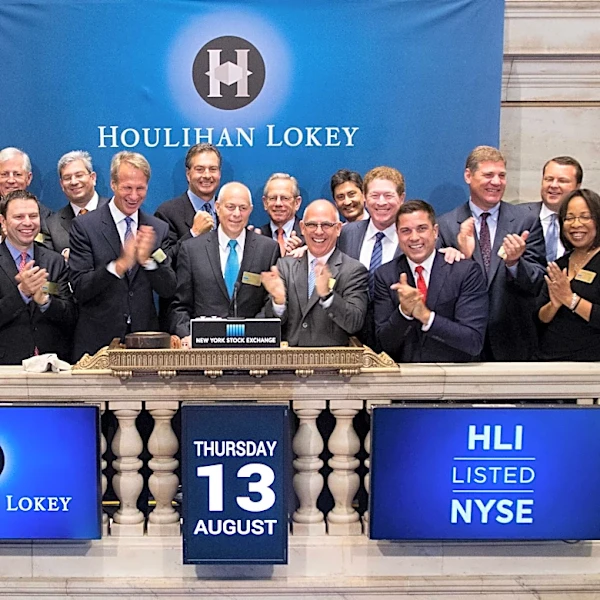
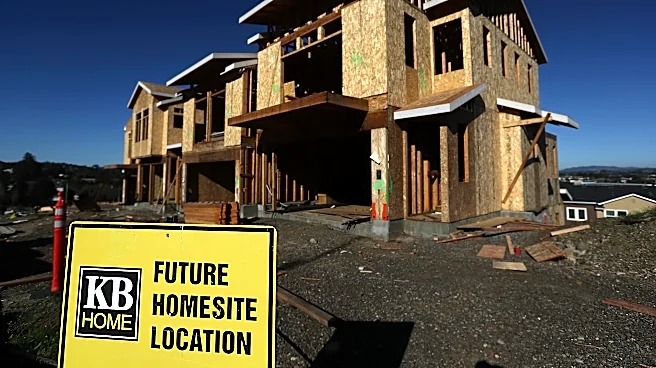
per share (EPS) estimates for the quarter. However, KB Home's full-year revenue guidance fell short of analysts' projections, indicating a cautious outlook for the remainder of the fiscal year. Among its peers, KB Home recorded the highest full-year guidance raise but experienced the slowest revenue growth. Following the announcement, the company's stock saw a modest increase of 2.9%, trading at $50. KB Home is recognized as the first homebuilder to be listed on the New York Stock Exchange, focusing on first-time and move-up home buyers.
Why It's Important?
KB Home's mixed Q3 results highlight the current complexities and challenges within the U.S. housing market. While meeting revenue expectations suggests a degree of resilience, the 20% year-over-year decline in revenue and the missed full-year guidance reflect broader economic pressures, particularly the impact of interest rates on new and existing home sales. Homebuilders are highly cyclical and sensitive to macroeconomic factors, making their performance a key indicator of consumer confidence and economic health. The company's ability to beat EPS estimates despite revenue contraction indicates effective cost management or other operational efficiencies. However, the slower revenue growth compared to competitors could signal a need for strategic adjustments in a competitive market. Investors and potential homebuyers will be closely watching how KB Home navigates these headwinds, as its performance can influence sentiment across the residential construction sector.
What's Next?
Following the mixed Q3 report, KB Home will likely focus on refining its strategies to address the challenges posed by the current economic environment, particularly fluctuating interest rates and their impact on buyer demand. The company's revised full-year revenue guidance suggests a more conservative outlook, and future investor calls will likely provide more details on how KB Home plans to achieve its updated targets. Stakeholders will be looking for insights into potential adjustments in pricing strategies, inventory management, and land acquisition to mitigate risks and capitalize on market opportunities. The performance of other homebuilders in the coming quarters will also provide a comparative context for KB Home's trajectory, influencing market perceptions and stock performance. The broader housing market will continue to be influenced by Federal Reserve policies on interest rates, which will directly affect the affordability and demand for new homes.
Beyond the Headlines
The performance of major homebuilders like KB Home extends beyond quarterly financial figures, offering a window into the broader economic landscape and consumer behavior. The emphasis on energy efficiency and conservation in new home construction, as noted in the industry overview, suggests a long-term shift in buyer preferences and regulatory pressures. This trend could drive innovation in building materials and construction techniques, potentially leading to higher initial costs but lower long-term ownership expenses for homeowners. Furthermore, the cyclical nature of the homebuilding industry means that periods of slower growth, like the one indicated by KB Home's results, can lead to consolidation or strategic realignments within the sector. The ability of companies to adapt to evolving aesthetic trends and increasing demands for sustainable housing will be crucial for their long-term success and market leadership.