


What's Happening?
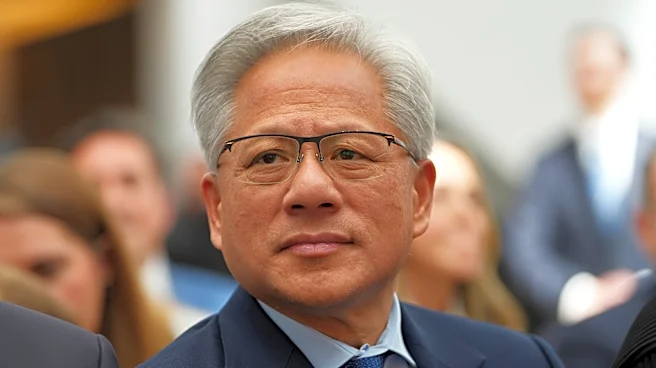
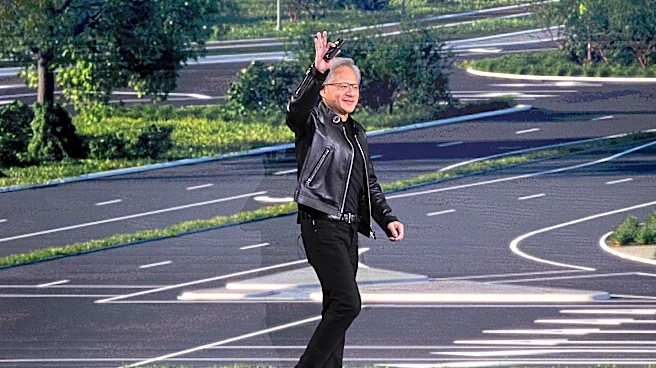
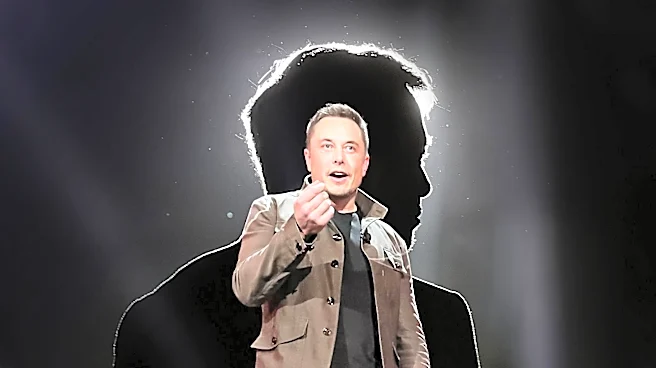
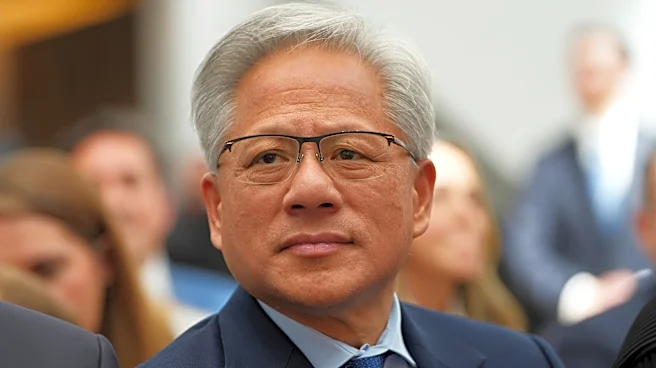
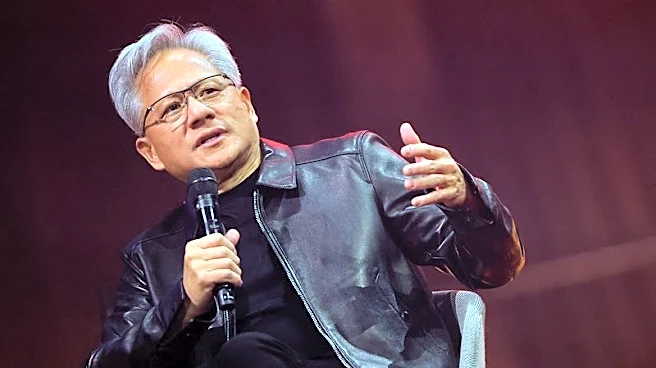
Tesla CEO Elon Musk and billionaire investor Bill Ackman have publicly expressed support for NVIDIA CEO Jensen Huang, who is currently embroiled in a controversy involving an alleged Chinese espionage operation. The support comes after reports surfaced
that Huang had an affair with a former executive at a Singapore-based chip company, who U.S. policymakers suspect was recruited by China’s Ministry of State Security to spy on him. Ackman, CEO of Pershing Square Capital Management, stated on social media platform X that Huang is human and even exceptional individuals can make mistakes, urging support for Huang and his family. He clarified that he was not advocating for a 'free pass' but hoped the issue was a personal affair rather than a national security risk. Sequoia Capital partner Shaun Maguire also weighed in, calling Huang 'one of the greatest entrepreneurs of this generation' who made a 'serious mistake' that was 'bad for America,' but likely without malicious intent. Musk endorsed Maguire's post. NVIDIA's board of directors has announced an independent investigation into the reports of Huang being targeted by a foreign intelligence effort. Huang has also sent an email to NVIDIA employees, apologizing to his family and staff for his infidelity.
Why It's Important?
This situation is significant due to NVIDIA's critical role in the global artificial intelligence chip industry and its implications for U.S. leadership in AI. Jensen Huang is considered an irreplaceable figure in maintaining America's technological edge in AI. The allegations of a Chinese espionage operation targeting a key U.S. tech leader raise serious national security concerns, highlighting the ongoing geopolitical competition in technological dominance. If the allegations prove true, it could expose vulnerabilities in corporate security and intelligence gathering, potentially impacting how U.S. tech executives and companies manage international relationships and personal conduct. The public backing from influential figures like Elon Musk and Bill Ackman underscores the perceived importance of Huang to the U.S. tech landscape, suggesting a desire to mitigate potential damage to NVIDIA and the broader AI sector. The controversy could also influence future U.S. policy regarding foreign influence and espionage within critical technology sectors, potentially leading to stricter regulations or enhanced counterintelligence efforts.
What's Next?
NVIDIA's independent investigation into the alleged espionage operation will be a critical next step. The findings of this investigation will likely determine the company's official stance and any internal actions taken. U.S. policymakers and intelligence agencies will likely continue to monitor the situation closely, potentially initiating their own inquiries or increasing scrutiny on foreign intelligence activities targeting U.S. tech leaders. The outcome could influence diplomatic relations between the U.S. and China, especially concerning technology transfer and industrial espionage. Depending on the severity and findings of the investigation, there could be calls for enhanced security protocols within U.S. tech companies, particularly those at the forefront of critical technologies like AI. The personal and professional future of Jensen Huang will also be under intense scrutiny, as the controversy could impact his leadership role at NVIDIA and his standing in the tech community. Public and investor reactions will also play a role in shaping the narrative and potential consequences for NVIDIA.
Beyond the Headlines
This incident delves into the complex intersection of personal conduct, corporate leadership, and national security in an era of intense technological competition. It highlights the vulnerability of even high-profile executives to foreign intelligence operations, where personal relationships can be exploited for strategic advantage. The controversy raises ethical questions about the responsibilities of leaders in critical industries, not just in their professional capacity but also in their private lives, given the potential for national security implications. It also underscores the broader challenge of protecting intellectual property and technological advantages from state-sponsored espionage, pushing companies and governments to re-evaluate their defense mechanisms. The public debate surrounding Huang's situation reflects a societal tension between personal privacy and public accountability, especially when national interests are at stake. This event could serve as a cautionary tale, prompting a re-evaluation of security protocols and personal conduct guidelines for executives in sensitive sectors, potentially leading to a more integrated approach to corporate and national security.