



What's Happening?
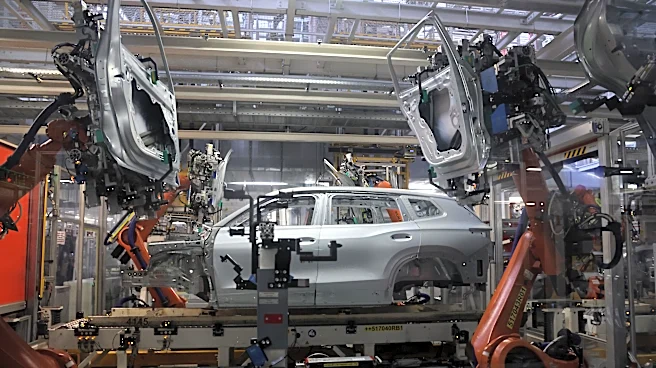
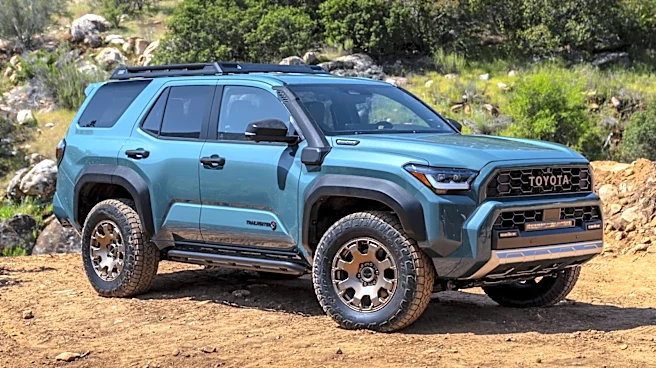
The 2026 Mazda CX-50 Hybrid, available at dealerships like Goodwin Mazda in Brunswick, ME, is being manufactured at a Mazda-Toyota plant in Huntsville, Alabama. This vehicle utilizes a Toyota powertrain, offering both increased horsepower and improved
fuel economy compared to non-hybrid models. Buyers are finding value in the CX-50 Hybrid, noting its availability and competitive pricing without the 'market adjustments' often seen with other brands. The vehicle's design includes features like a firm ride, a well-appointed interior, and a functional infotainment system. It also boasts a plastic undercarriage that acts as a protective 'sled' for off-road conditions, potentially offering better undercarriage protection than some competitors despite having less ground clearance.
Why It's Important?
The production of the 2026 Mazda CX-50 Hybrid in Alabama signifies a continued investment in U.S. manufacturing within the automotive sector. This domestic production, particularly of hybrid vehicles, aligns with broader U.S. economic and environmental goals, potentially benefiting from incentives related to American-made products. The vehicle's use of a Toyota powertrain highlights strategic collaborations within the auto industry, allowing Mazda to leverage established hybrid technology. For consumers, the CX-50 Hybrid offers a compelling option that combines fuel efficiency, performance, and perceived value, challenging traditional pricing strategies of other manufacturers. Its availability and customizable options could also influence consumer purchasing decisions, shifting demand towards brands that offer more immediate access to desired configurations.
What's Next?
As the 2026 Mazda CX-50 Hybrid becomes more widely available, its market performance will be closely watched. The success of this model could encourage further investment in hybrid and electric vehicle production within the U.S. by both Mazda and other manufacturers. Consumers can expect continued competition in the hybrid SUV segment, with manufacturers striving to offer better value, fuel efficiency, and advanced features. The vehicle's performance in various driving conditions, including off-road, will be a key factor in its long-term appeal. Additionally, the ongoing collaboration between Mazda and Toyota in manufacturing and powertrain technology may lead to future joint ventures or shared innovations in vehicle development.
Beyond the Headlines
The manufacturing of the Mazda CX-50 Hybrid in Alabama underscores a broader trend of international automotive companies establishing production facilities in the U.S., contributing to local economies and job creation. This also reflects a strategic move to mitigate supply chain issues and cater to the American market's preferences for domestically produced vehicles. The integration of a Toyota powertrain into a Mazda vehicle exemplifies the increasing interconnectedness and resource sharing within the global automotive industry, where companies leverage each other's strengths to innovate and compete. This approach can lead to more robust and technologically advanced vehicles for consumers, while also fostering a more collaborative industrial landscape. The emphasis on value and availability also points to a potential shift in consumer expectations, moving beyond brand loyalty to prioritize tangible benefits and immediate access.