




What's Happening?
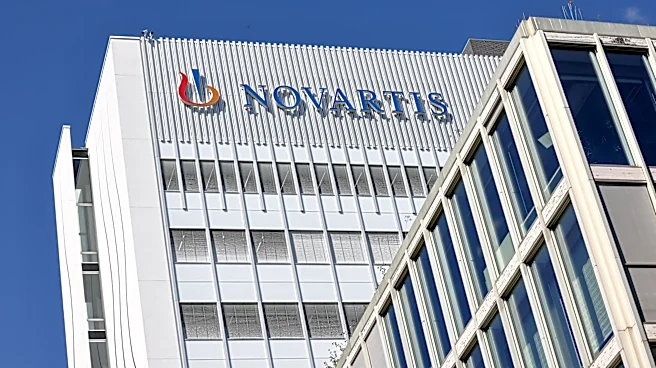
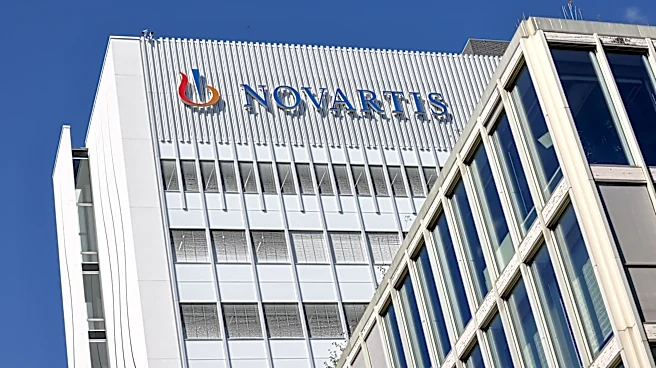
Novartis CEO Vas Narasimhan has publicly rejected claims from some tech industry leaders, including Anthropic CEO Dario Amodei and DeepMind's Demis Hassabis, that artificial intelligence could cure cancer within five to ten years. Narasimhan, who also
serves on the board of AI developer Anthropic, emphasized that the current understanding of human biology is limited, with only about 5% of bodily functions fully comprehended. He stated that an 'engineering mindset' often applied by tech leaders overlooks the complexities of medical science, where animal and human trials remain indispensable for drug development. While acknowledging AI's potential, Narasimhan projects a more gradual impact, estimating that AI could reduce average drug development timelines from approximately 12 years to eight years within a decade and increase success rates for drugs entering first human studies from 8% to 12%. Novartis is actively integrating AI into its research, manufacturing, and commercial operations.
Why It's Important?
This perspective from a leading pharmaceutical executive highlights a critical divergence in expectations between the technology and medical sectors regarding AI's immediate impact on healthcare. Narasimhan's caution underscores the significant scientific and regulatory hurdles inherent in drug development, which AI, despite its advancements, cannot entirely circumvent. His assessment suggests that while AI will undoubtedly enhance efficiency and accelerate certain aspects of pharmaceutical research, it will not eliminate the need for rigorous biological understanding, extensive testing, and regulatory approvals. This nuanced view is crucial for managing public expectations about AI's role in medicine and for guiding investment and research priorities in both the tech and pharma industries. It also emphasizes the long-term commitment and interdisciplinary collaboration required to translate AI capabilities into tangible medical breakthroughs.
What's Next?
The debate over AI's timeline for medical breakthroughs is expected to continue, influencing research funding, strategic partnerships, and public discourse. Pharmaceutical companies like Novartis will likely continue to integrate AI into their drug discovery and development processes, focusing on areas where AI can provide immediate value, such as identifying promising compounds, analyzing biological data, and optimizing clinical trial designs. However, the emphasis will remain on the scientific rigor and extensive testing required for regulatory approval. Tech companies involved in AI development for healthcare may need to temper their projections or collaborate more closely with medical experts to align their innovations with the practical realities of biological research and clinical application. This ongoing dialogue will shape the future trajectory of AI in healthcare, balancing ambitious technological potential with the complexities of human biology and patient safety.
Beyond the Headlines
Narasimhan's remarks touch upon a broader philosophical and practical challenge: the integration of rapidly advancing technological capabilities with the inherently complex and often unpredictable nature of biological systems. The 'engineering mindset' versus 'biological reality' dichotomy he describes points to a fundamental difference in how problems are approached in these fields. While AI excels at pattern recognition and data processing, the human body's intricate, multi-layered systems often defy straightforward engineering solutions. This discussion also raises ethical considerations regarding the responsible deployment of AI in healthcare, particularly concerning patient safety and the need for robust validation processes. The long-term implications include a potential shift in how medical research is funded and structured, fostering greater interdisciplinary collaboration between AI specialists, biologists, clinicians, and regulatory bodies to ensure that technological advancements genuinely translate into safe and effective treatments.