





What's Happening?
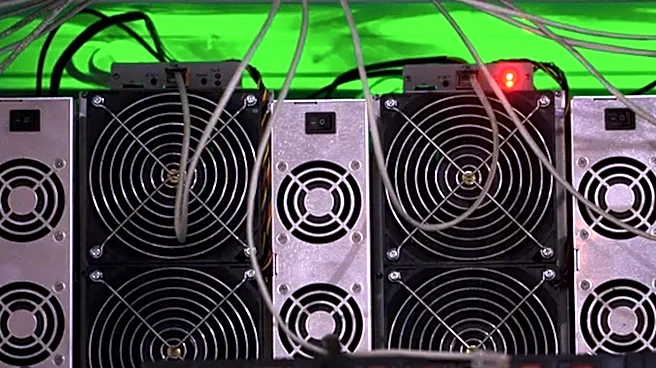
The debate over AI's water consumption has intensified, with critics pointing to the industry's demand for water in data centers. However, the actual water usage by AI is relatively small compared to agriculture, which accounts for 70% of global freshwater
use. AI data centers are working to reduce their water footprint through advanced cooling technologies and scheduling compute tasks during cooler periods. The broader issue remains the inefficiency and waste in global water systems, with significant losses due to outdated infrastructure and unsustainable agricultural practices.
Why It's Important?
The focus on AI's water usage highlights the need for a comprehensive approach to water management. While AI's direct water consumption is modest, the industry's efforts to improve efficiency can serve as a model for other sectors. Addressing the broader water crisis requires investment in infrastructure, adoption of precision agriculture, and innovative technologies to reduce waste and improve water distribution. The potential economic benefits of closing the water infrastructure funding gap are substantial, with projections of significant GDP growth and job creation.
Beyond the Headlines
The discussion around AI's water usage underscores the importance of sustainable practices across all industries. The technology sector's advancements in water efficiency could drive broader changes in how water resources are managed globally. Additionally, the integration of AI in water management could enhance monitoring and optimization, leading to more effective conservation efforts. The challenge lies in balancing technological progress with environmental sustainability, ensuring that advancements benefit both the economy and the planet.