

What's Happening?
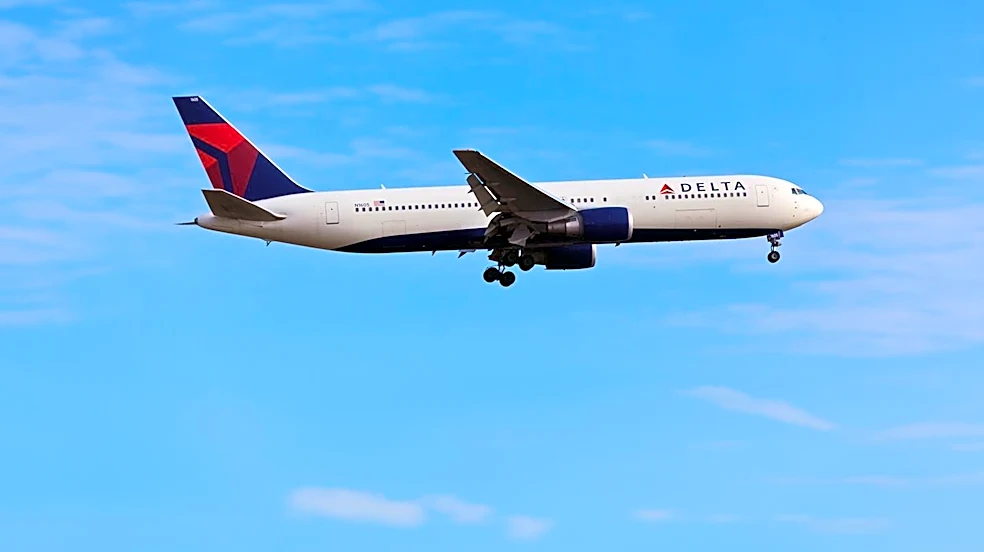
Delta CEO Ed Bastian has indicated that high holiday airfares are a direct consequence of increased fuel costs and strategic capacity reductions. Domestic Thanksgiving round trips are averaging $402, a 31% increase, and Christmas flights are up 23% to
$452, marking the highest prices in at least a decade. Jet fuel prices have surged by approximately 91% since February. Delta's strategy involves managing for margins, with premium ticket revenue growing 28% over two years, while main cabin revenue increased by only 8%. The airline has also trimmed main cabin capacity, leading to a 17% increase in coach unit revenue. Bastian suggests that the top 40% of U.S. households, who constitute most of Delta's customers, are wealthier and more willing to absorb these price increases, showing 'limited resistance.'
Why It's Important?
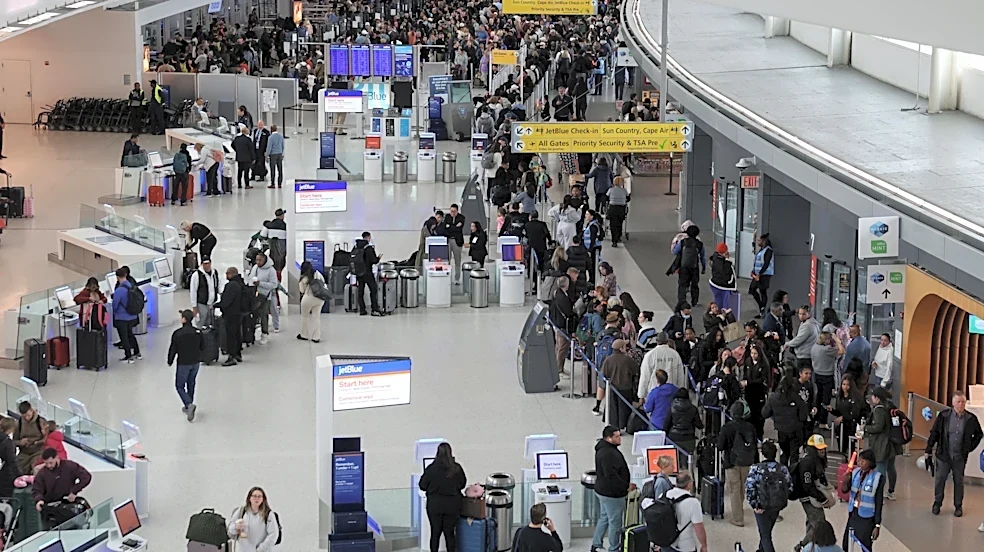
This pricing strategy by Delta, and echoed by other major U.S. carriers, significantly impacts American consumers, particularly those flying in economy class during peak holiday seasons. The disproportionate increase in coach fares and reduction in main cabin capacity mean that the burden of higher fuel costs is largely borne by less flexible travelers. This approach prioritizes profitability over market share, potentially alienating a segment of loyal customers who may seek more affordable alternatives. The airline industry's ability to pass on increased costs to consumers, even amidst record-high fares, indicates strong demand for holiday travel, which is often considered essential rather than optional. This trend could lead to a long-term shift in travel patterns and consumer expectations regarding air travel affordability.
What's Next?
Delta projects December quarter revenue growth of about 20% with less than 2% seat growth, including further reductions in main cabin seats, assuming fuel near $4.25 a gallon. United Airlines has also outlined a similar strategy, aiming for full fuel cost recovery by the fourth quarter through shrinking schedules. These strategies suggest that high airfares and reduced capacity, especially in economy, will likely persist through the holiday season and potentially into 2027. The industry's focus on 'managing for margins' means that even if jet fuel prices fall, airfares may decrease slowly due to reduced competition from capacity cuts. The long-term impact on customer loyalty, particularly among coach travelers, remains a key consideration for airlines.
Beyond the Headlines
The airline industry's current strategy reveals a sophisticated approach to revenue management, where capacity cuts are used to control supply and maximize pricing power, particularly for inelastic demand like holiday travel. This 'value-based pricing' is implemented through cabin retrofits and seat mix adjustments rather than personalized algorithms, avoiding potential public backlash. The demographic claim by Bastian, that wealthier households are absorbing the increases, highlights a growing disparity in travel affordability. While profitable for airlines in the short term, this strategy risks eroding loyalty among a significant portion of the flying public, potentially pushing them towards alternative carriers or modes of transport. The emphasis on premium cabins also signifies a broader shift in the airline business model towards catering to higher-paying customers.