








What's Happening?
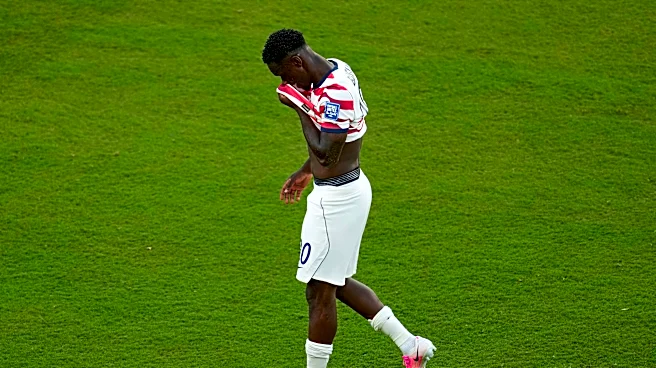
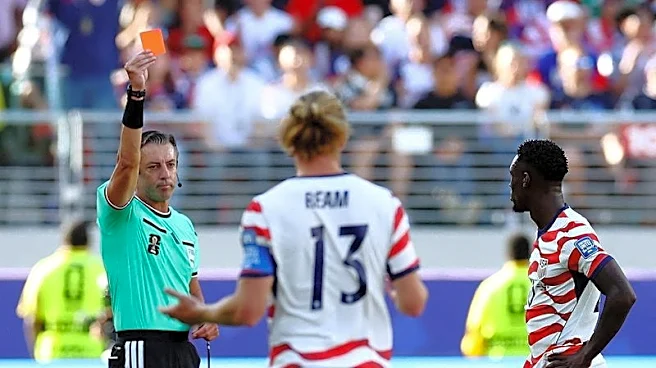
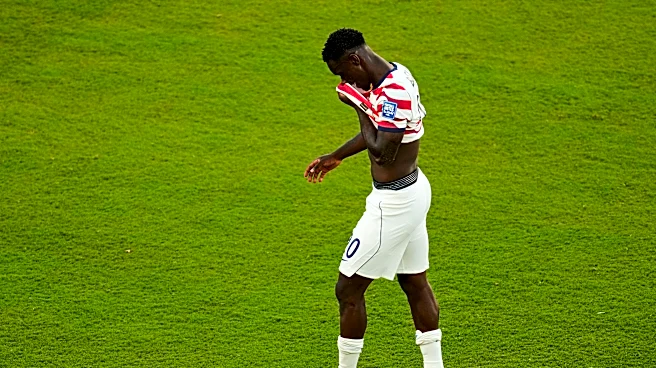
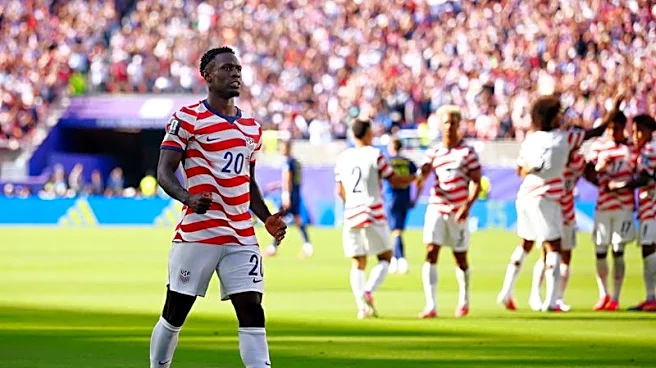
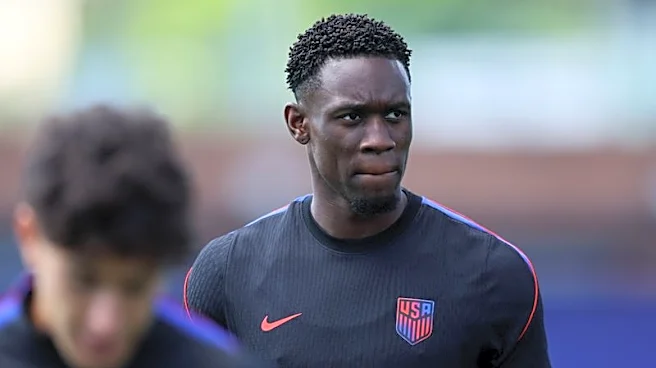
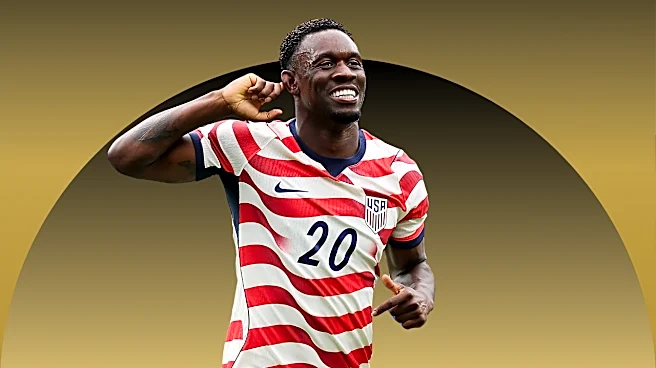
The Belgian soccer federation is challenging FIFA's decision to allow U.S. forward Folarin Balogun to play in the World Cup match against Belgium, despite receiving a red card in a previous game. The federation has not received an official explanation
from FIFA and is seeking to appeal the decision. President Trump intervened on behalf of Balogun, leading to the suspension of his red-card ban. The Belgian federation is concerned about the lack of transparency and the potential influence of political figures on FIFA's decision-making process. The federation has expressed its intention to defend the principles of ethics and fair competition in football.
Why It's Important?
This challenge by the Belgian federation underscores the broader concerns about the influence of political figures on sports governance. The decision to allow Balogun to play has raised questions about the integrity of FIFA's disciplinary processes and the potential for political interference in sports. The situation highlights the need for transparency and accountability in decision-making within international sports organizations. The outcome of this challenge could have implications for the credibility of FIFA and the perception of fairness in the World Cup, potentially affecting the trust of fans and stakeholders in the sport.
What's Next?
The Belgian federation is expected to continue its challenge against FIFA's decision, seeking a formal explanation and potentially appealing the ruling. This could lead to further scrutiny of FIFA's disciplinary processes and the role of political influence in sports. The outcome of the U.S. match against Belgium will be closely watched, as it may affect perceptions of fairness and the legitimacy of the tournament. Additionally, there may be calls for reforms within FIFA to ensure greater transparency and independence in its decision-making processes.