







What's Happening?
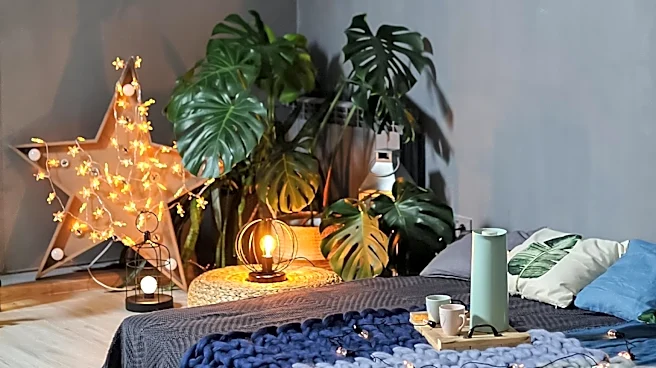
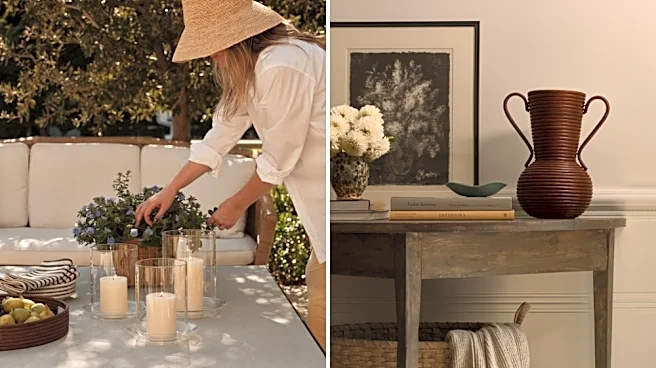
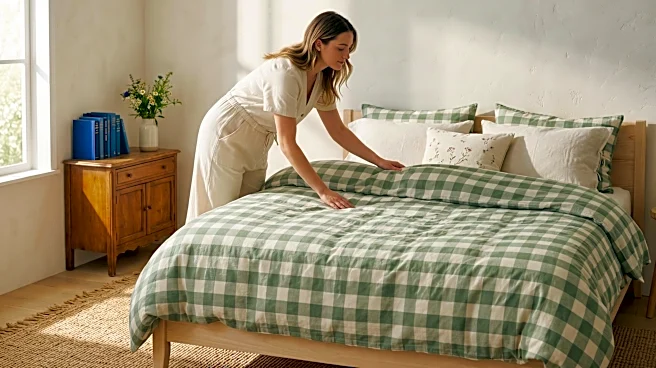
Cottagecore, a lifestyle and aesthetic inspired by rural, pastoral living, is gaining prominence in home decor. This trend focuses on creating cozy, lived-in spaces that appear to have evolved over time rather than being newly decorated. Key elements
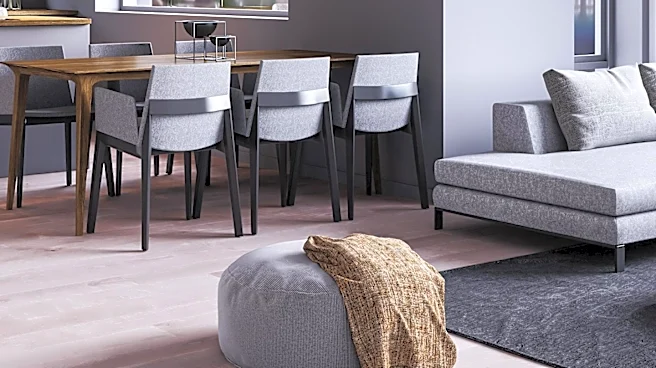
of cottagecore include soft textures, floral prints, and vintage charm. The aesthetic is characterized by mismatched decor, gingham patterns, and items that evoke a sense of nostalgia and comfort. It moves away from stark, ultra-minimalist interiors, favoring warmth, layers, and a connection to nature. Examples of this trend include room ideas that transform spaces into dreamy, cozy retreats and products like Target's fall-inspired gingham duvet cover set, which aims to bring a cottagecore feel to home decor. The style is rooted in a design philosophy that respects nature and values imperfect beauty, drawing inspiration from English cottage gardens and rural European farmhouses.
Why It's Important?
The rise of the cottagecore aesthetic reflects a broader societal shift towards valuing comfort, nostalgia, and a connection to nature in personal living spaces. This trend impacts the home decor industry by driving demand for specific types of products, such as vintage-inspired furniture, natural textiles like linen, and botanical prints. It encourages consumers to seek out secondhand items and embrace imperfection, potentially influencing retail strategies and product development. For individuals, cottagecore offers an alternative to modern, minimalist designs, providing a sense of sanctuary and personal expression. The emphasis on sustainability through repurposing and natural materials also aligns with growing environmental consciousness, making it a relevant movement for both consumers and businesses in the home goods sector. This aesthetic promotes a slower, more intentional approach to decorating, fostering a sense of well-being and personal connection to one's environment.
What's Next?
The cottagecore aesthetic is expected to continue influencing home decor trends, with a sustained demand for products that embody its core principles. Retailers like Target are likely to expand their offerings of items such as gingham bedding, floral textiles, and vintage-inspired decor to cater to this market. We may see more interior design services specializing in creating cottagecore-inspired spaces, and an increase in DIY content and tutorials focused on achieving this look on a budget. The trend could also lead to a greater appreciation for artisanal crafts and local sourcing, as consumers seek unique, handmade items that contribute to the lived-in, authentic feel of cottagecore. Furthermore, the emphasis on bringing nature indoors suggests a continued focus on houseplants and dried botanicals as essential decor elements, potentially boosting sales in those categories.
Beyond the Headlines
Beyond its immediate impact on home decor, the cottagecore aesthetic signifies a cultural yearning for simplicity, authenticity, and an escape from the complexities of modern life. It represents a romanticized view of rural living, offering a psychological retreat through design. This trend can be seen as a counter-movement to the fast-paced, digital world, promoting mindfulness and a connection to tangible, natural elements. Ethically, its encouragement of secondhand shopping and repurposing aligns with sustainable consumption practices, potentially reducing waste and promoting a more circular economy in home furnishings. Culturally, cottagecore taps into a collective nostalgia for a perceived simpler past, influencing not just decor but also fashion, hobbies like baking and gardening, and even digital content creation, fostering a community around shared values of coziness and natural beauty.