









What's Happening?
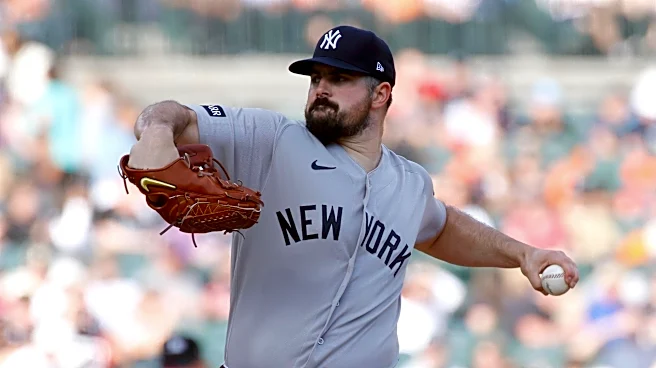
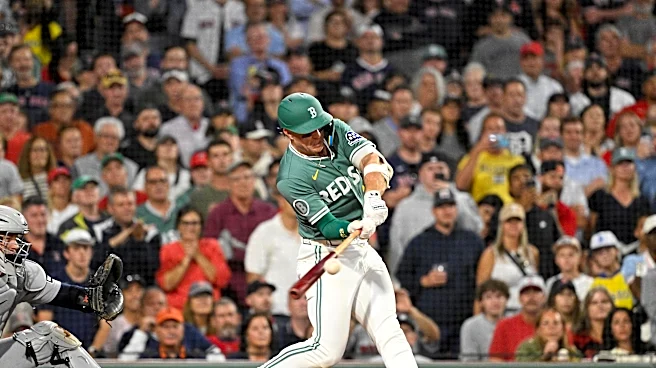
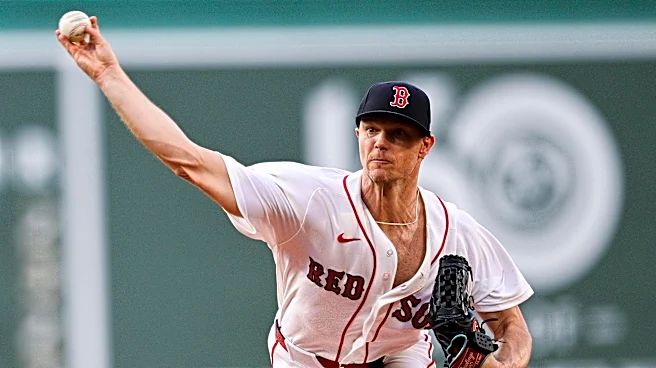
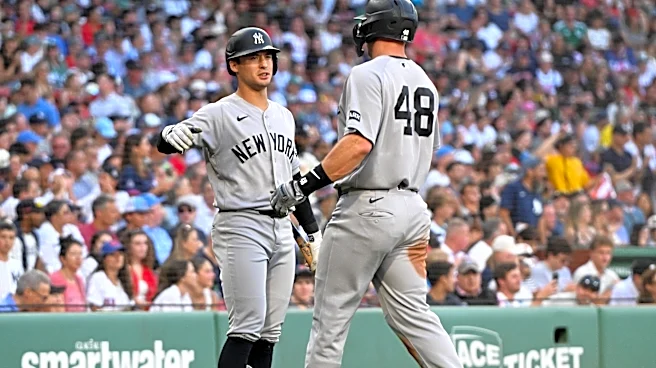
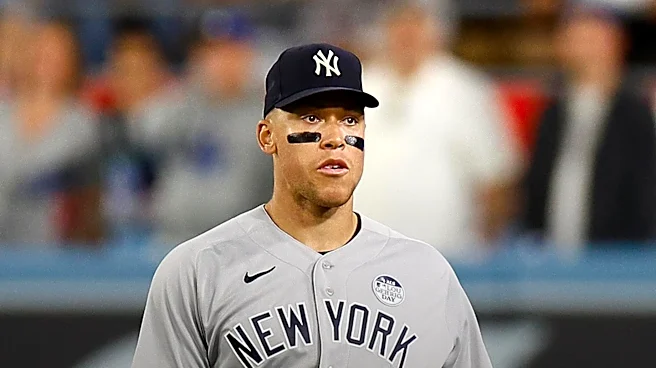
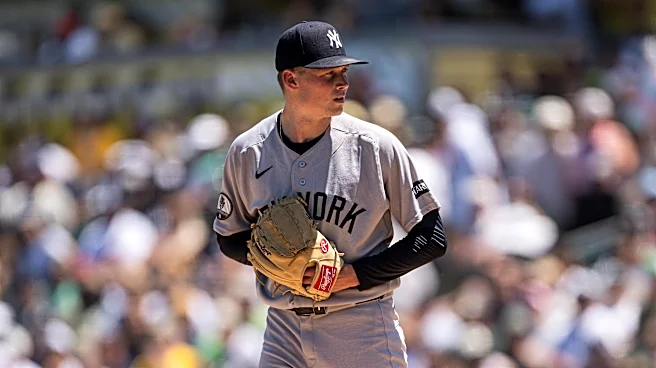
NBC, which holds the rights to Sunday Night Baseball, has decided to broadcast the highly anticipated game between the Boston Red Sox and the New York Yankees exclusively on its streaming service, Peacock. This decision has left many fans frustrated as they
expected to watch the game on NBC's regular network channel. The game will remain on Peacock until the conclusion of a PGA Tour golf event being aired on NBC. Additionally, the game is available on NBCSN, a channel not widely accessible. This move is part of NBC's strategy to increase subscriptions to Peacock by leveraging the popularity of the Yankees-Red Sox rivalry. However, the decision has been met with significant backlash from fans who are displeased with the need to subscribe to a streaming service to watch the game.
Why It's Important?
The decision by NBC to stream the Yankees-Red Sox game on Peacock highlights the growing trend of major networks shifting popular sports events to streaming platforms. This move could signal a broader industry shift towards digital streaming, potentially impacting traditional cable viewership. For NBC, this strategy aims to boost Peacock's subscriber base by capitalizing on the game's popularity. However, it also risks alienating a segment of the audience, particularly older fans who may be less inclined to adopt streaming services. The backlash from fans underscores the challenges networks face in balancing traditional broadcasting with the push towards digital platforms. This development could influence how other networks approach the broadcasting of major sports events in the future.
What's Next?
As NBC continues to prioritize its streaming service, it is likely that more sports events will be moved to Peacock, especially those with high viewership potential. This could lead to increased competition among streaming services for exclusive sports content, potentially driving up subscription costs for consumers. Fans may need to adapt to this new model of sports broadcasting, which could involve subscribing to multiple services to access their favorite games. Networks will need to carefully consider fan reactions and the potential loss of viewership on traditional channels as they navigate this transition. The outcome of this strategy will be closely watched by other broadcasters and could set a precedent for future sports broadcasting decisions.