




What's Happening?
ConocoPhillips has entered into a definitive agreement to sell its Norway business and its 40.25% interest in, and operatorship of, the UK Teesside oil terminal to Vår Energi for a total consideration of $4.425 billion. This transaction is subject to agreed
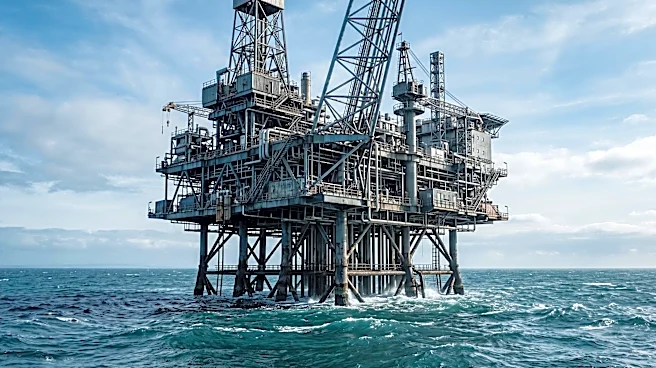
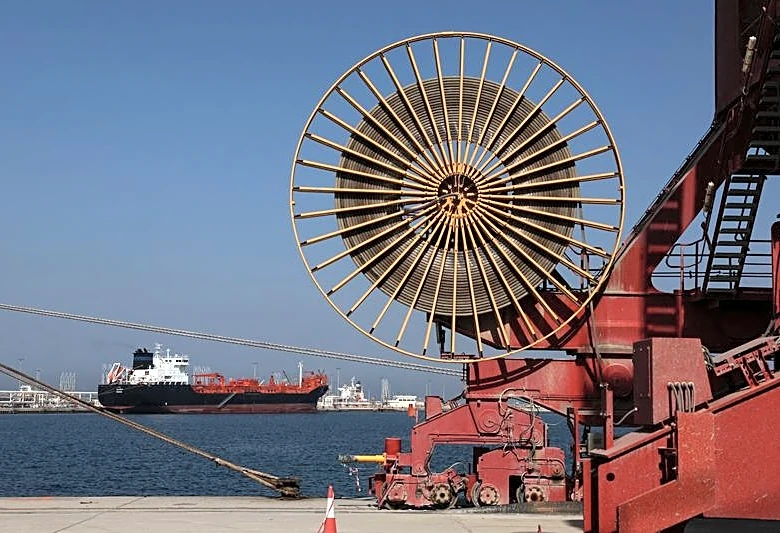
adjustments of approximately $500 million as of January 1, 2026. The sale includes the entire issued share capital of ConocoPhillips Skandinavia AS and ConocoPhillips (UK) Teesside Operator Limited, which encompass the company’s Norway and Teesside assets, along with associated decommissioning liabilities. The Norway business includes interests in producing assets on the Norwegian continental shelf, anchored by the Greater Ekofisk Area, and interests in eight partner-operated fields. The Teesside business comprises the Teesside oil terminal and related pipeline infrastructure. In 2025, the Norway business produced approximately 120,000 barrels of oil equivalent per day, and the properties held about 221 million barrels of oil equivalent in proved reserves at year-end 2025. The deal is expected to close by the end of the first quarter of 2027, pending approval from the Norwegian Ministry of Energy and other regulatory conditions.
Why It's Important?
This divestment by ConocoPhillips signifies a strategic portfolio optimization, allowing the Houston-based company to reallocate capital and potentially enhance shareholder value. The expected consideration of approximately $3.9 billion includes a remaining 2026 tax liability of around $1.4 billion, payable in the first half of 2027, and net cash proceeds of approximately $2.5 billion. ConocoPhillips plans to utilize these proceeds for general corporate purposes and discretionary share repurchases in 2027. This move aligns with the company’s long-standing policy of returning approximately 45% of cash from operations to shareholders, indicating a continued focus on investor returns. For Vår Energi, acquiring these high-quality properties with strong operating records provides opportunities for continued development and expansion of their asset base. The transaction also highlights the dynamic nature of the global energy market, with companies continuously evaluating and adjusting their portfolios to maximize efficiency and profitability.
What's Next?
The transaction is anticipated to close by the end of the first quarter of 2027, contingent on approval from the Norwegian Ministry of Energy and other regulatory conditions. Upon closing, Vår Energi will assume the post-effective-date balance sheets of the acquired properties. ConocoPhillips intends to use the net cash proceeds of approximately $2.5 billion for general corporate purposes and discretionary share repurchases in 2027. These repurchases will supplement the company’s existing policy of returning a significant portion of cash from operations to shareholders. The divestment will allow ConocoPhillips to streamline its operations and focus on other growth opportunities within its diverse portfolio of oil and natural gas assets. The market will likely monitor how ConocoPhillips deploys the proceeds and how Vår Energi integrates the new assets into its operations.
Beyond the Headlines
The sale of ConocoPhillips' Norway business and Teesside oil terminal reflects a broader trend in the energy sector where major players are optimizing their portfolios to adapt to evolving market conditions and energy transition pressures. While the immediate impact is financial, the long-term implications could include a shift in regional energy production dynamics. The divestment of mature assets, even high-quality ones, suggests a strategic pivot towards areas with higher growth potential or lower operational complexities for ConocoPhillips. For Vår Energi, this acquisition could solidify its position as a significant operator in the North Sea, potentially leading to increased investment and development in the region. The transaction also underscores the ongoing importance of regulatory approvals in large-scale international energy deals, highlighting the interplay between corporate strategy and national energy policies.