


What's Happening?
Multifunctional furniture is increasingly recognized as a practical solution for enhancing comfort and functionality in compact living spaces. This type of furniture is designed to serve multiple purposes, thereby reducing the need for numerous individual
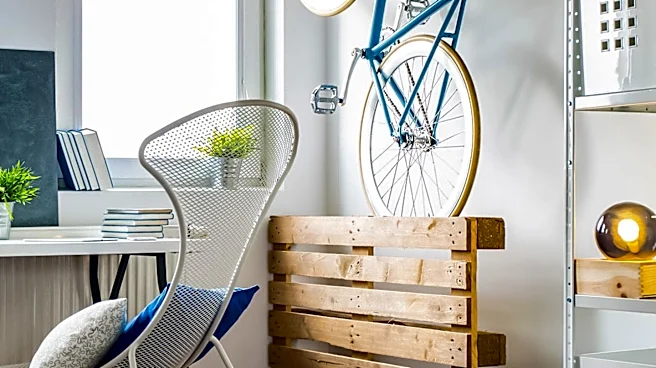
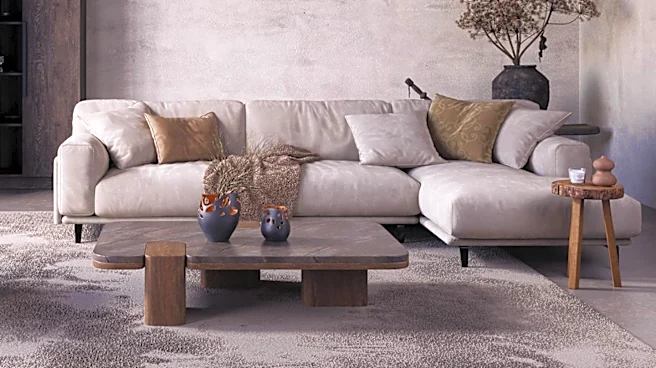
items and minimizing clutter. Examples include storage ottomans that double as seating and footrests, beds equipped with built-in drawers for extra storage, extendable dining tables that can adjust to different needs, and coffee tables that transform into desks. The core idea behind multifunctional furniture is to maximize the utility of each piece, making rooms feel less crowded and more organized. This trend is particularly relevant for smaller homes and apartments where space is at a premium, allowing residents to create a more open and breathable environment without undertaking extensive renovations. The market is also seeing various deals on such items, including two-in-one entertainment centers and coffee tables with integrated storage and desk conversion capabilities.
Why It's Important?
The growing emphasis on multifunctional furniture reflects a broader shift in consumer preferences towards efficient and adaptable living solutions, particularly in urban areas where living spaces are often limited. This trend impacts the furniture industry by driving innovation in design and manufacturing, as companies focus on creating versatile pieces that cater to diverse consumer needs. For consumers, it offers significant economic benefits by reducing the overall number of furniture items required, thus saving money and space. Furthermore, it promotes a more minimalist and organized lifestyle, which can contribute to improved well-being by reducing visual clutter and creating a calmer home environment. The adoption of multifunctional furniture also highlights a practical approach to interior design, where functionality and space-saving features are prioritized alongside aesthetics, influencing how homes are furnished and utilized across the U.S.
What's Next?
As the demand for space-saving and versatile home furnishings continues to grow, the furniture market is likely to see further innovation in multifunctional designs. Manufacturers may explore new materials and technologies to create more durable, aesthetically pleasing, and easily convertible furniture pieces. Retailers are expected to expand their offerings of multifunctional items, potentially leading to more competitive pricing and a wider variety of styles to choose from. Consumers can anticipate more integrated solutions that combine technology with furniture, such as smart coffee tables or beds with built-in charging stations. Additionally, interior designers may increasingly incorporate these pieces into their recommendations for clients, further solidifying multifunctional furniture as a staple in modern home decor. The focus will remain on creating seamless transitions between different functions, ensuring ease of use and long-term practicality for everyday living.
Beyond the Headlines
The rise of multifunctional furniture extends beyond mere practicality; it signifies a cultural shift towards more conscious consumption and efficient living. In an era where sustainability and minimalism are gaining traction, these furniture pieces align with values of reducing waste and maximizing resources. Ethically, it encourages a 'buy less, choose well' philosophy, prompting consumers to invest in quality items that serve multiple purposes rather than accumulating single-use pieces. Legally, as more complex mechanisms are integrated into furniture, there may be increased scrutiny on safety standards and durability. Culturally, it reflects an adaptation to modern lifestyles characterized by smaller living spaces and a desire for flexibility, transforming how individuals interact with their home environments and perceive the utility of their possessions. This trend could also influence urban planning and housing design, with architects and developers considering how built-in multifunctional elements can enhance living experiences in future residential projects.