




What's Happening?
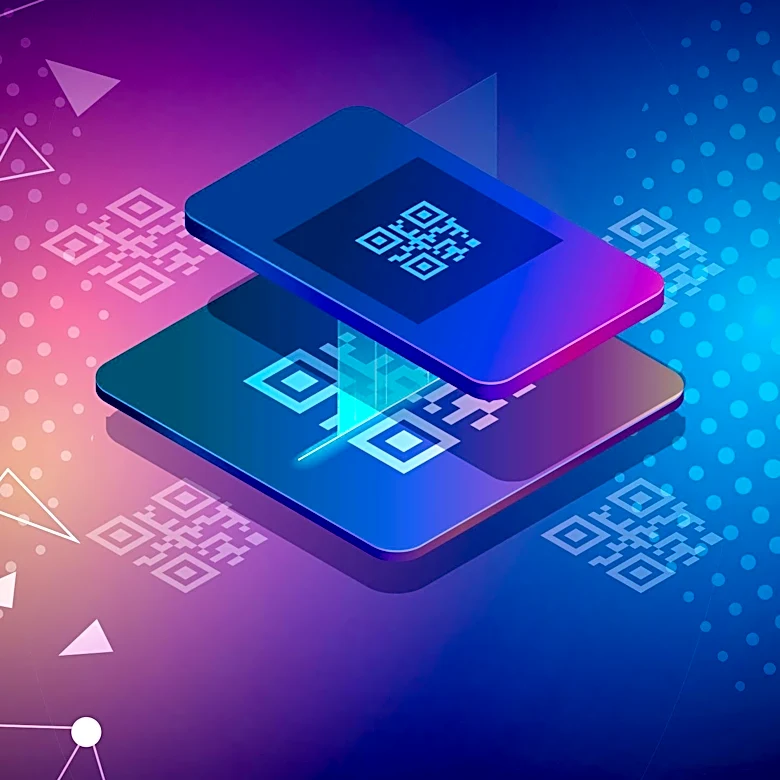
FedEx Corp. has launched FedEx Authenticated Delivery, a new premium delivery service designed for eligible residential and commercial shipments across the U.S. and Canada. This service utilizes QR code authentication to ensure that packages are released
exclusively to an authorized recipient. The primary goal of this new offering is to provide an additional layer of security for high-value and sensitive items, thereby mitigating the risks of fraud, theft, and misdelivery. When a shipper opts for FedEx Authenticated Delivery, the recipient receives a unique QR code along with delivery instructions via FedEx notifications. Upon delivery, the recipient must be present and provide this QR code to the FedEx driver for scanning and validation before the package can be handed over. This process eliminates the need for a physical signature, streamlining the delivery while enhancing security. Neil Gibson, senior vice president, global customer experience at FedEx, emphasized that this initiative is part of FedEx's ongoing commitment to building greater trust in the delivery process and helping customers protect their valuable shipments.
Why It's Important?
The introduction of FedEx Authenticated Delivery is significant for several sectors, particularly those dealing with high-value goods such as luxury items, electronics, healthcare products, aerospace components, and collectibles. These industries frequently face challenges related to package security, including theft and fraud, which can result in substantial financial losses and damage to customer trust. By implementing a QR code authentication system, FedEx is directly addressing these vulnerabilities, offering businesses a more secure method for shipping critical and expensive items. This service can reduce the financial burden associated with lost or stolen goods and enhance customer satisfaction by ensuring reliable delivery to the intended recipient. For consumers, it provides peace of mind when ordering valuable products online, knowing that an extra layer of protection is in place. The service also reflects a broader trend in logistics towards leveraging technology to improve security and efficiency in the last-mile delivery process, which is crucial in an increasingly e-commerce-driven economy.
What's Next?
Following its launch, FedEx Authenticated Delivery is expected to be adopted by businesses and consumers who prioritize enhanced security for their shipments. The service's success will likely depend on its seamless integration into existing shipping workflows and its effectiveness in preventing fraud and misdelivery. FedEx may expand the eligibility criteria for this service to include a wider range of shipment types or geographical areas based on initial feedback and demand. Competitors in the logistics industry may also observe the performance of this new offering and potentially develop similar authentication solutions to remain competitive. The absence of a physical signature requirement could set a new standard for secure deliveries, influencing future industry practices. Furthermore, the data collected from this service could provide FedEx with valuable insights into delivery security trends and customer preferences, informing future innovations in their service portfolio.
Beyond the Headlines
Beyond the immediate benefits of enhanced security, FedEx Authenticated Delivery highlights a deeper shift in the relationship between logistics providers and their customers. The emphasis on 'building greater trust' through technological solutions underscores the evolving expectations of consumers and businesses in the digital age. In an era where online transactions are prevalent, the integrity of the delivery process is paramount to maintaining brand reputation and customer loyalty. This service also touches upon the ethical considerations of data privacy and security, as the QR code system manages access to sensitive information. The move away from physical signatures towards digital authentication methods reflects a broader societal trend towards contactless interactions and digital verification, accelerated by recent global events. This innovation could pave the way for more sophisticated identity verification methods in logistics, potentially integrating with biometric data or blockchain technology in the future to create an even more secure and transparent supply chain.