


What's Happening?
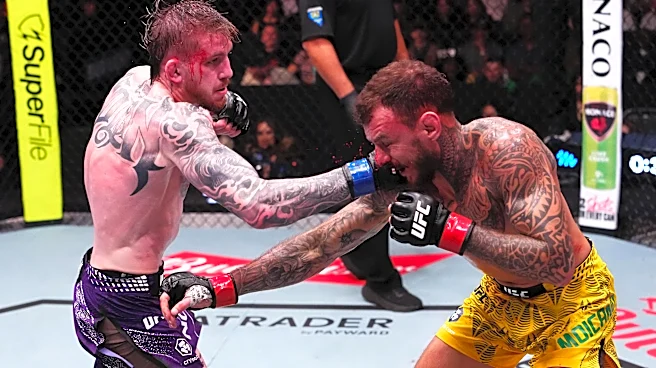
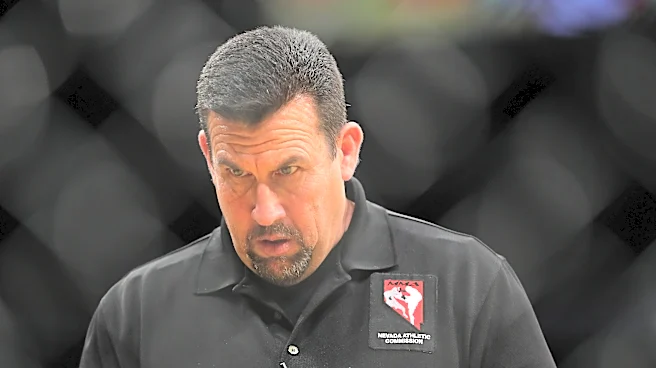
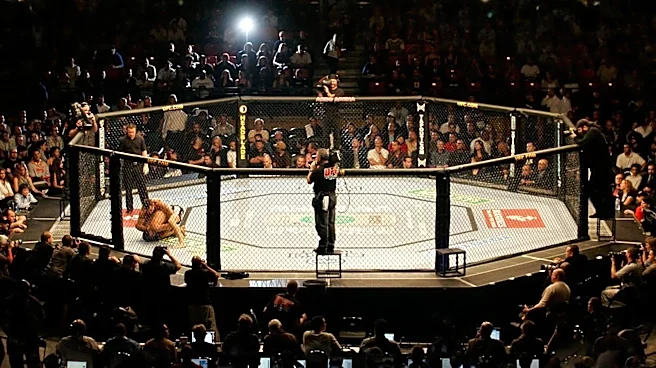
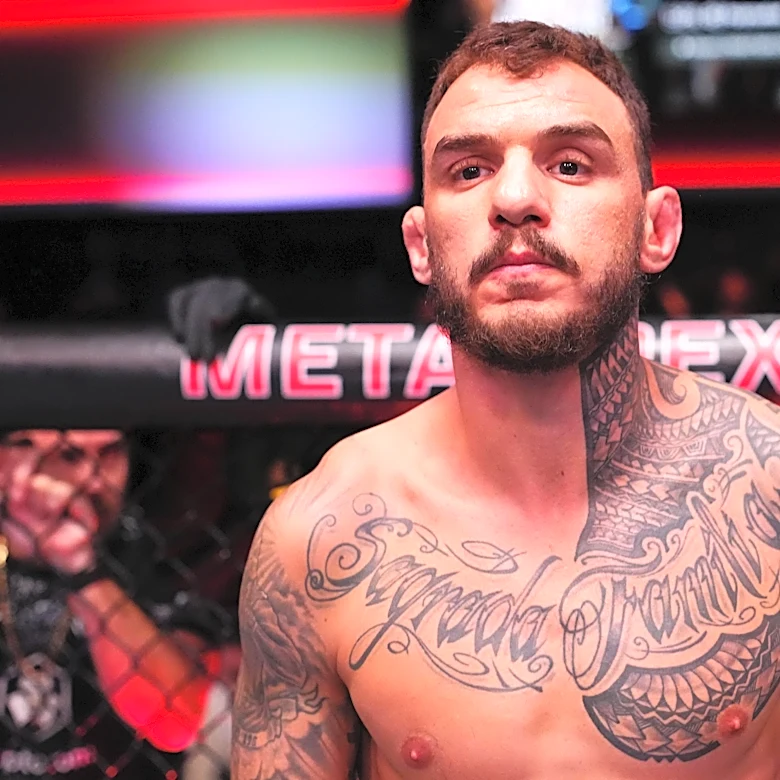
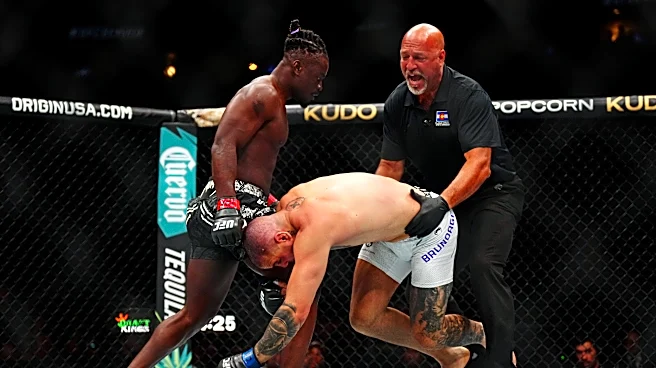
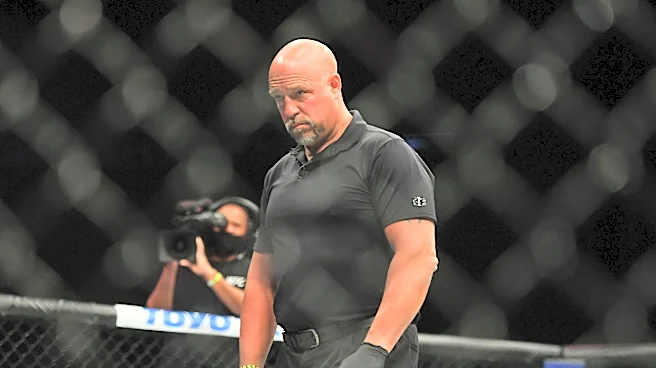
UFC CEO Dana White has offered a measured response to the controversial stand-up decision made by veteran referee Dan Miragliotta during the Renato Moicano vs. Tom Nolan lightweight main event at UFC Halloween. Miragliotta stopped the action in the second
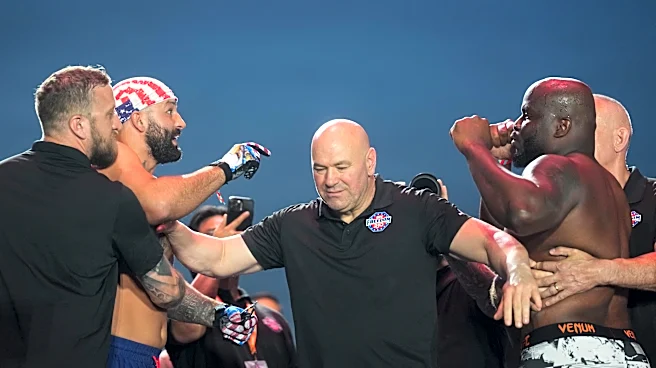
round, standing up Moicano and Nolan despite Moicano having Nolan's back with a body triangle and actively seeking a rear-naked choke. This decision was widely criticized by the UFC broadcast team, fighters, and fans, who labeled it a 'referee error.' Nolan subsequently capitalized on the stand-up, hurting Moicano and finishing him via technical knockout in the third round. White, however, has not rushed to condemn Miragliotta, stating he is unsure what to think and that the issue has not been discussed at UFC headquarters. He emphasized that the rules focus on whether a fighter is 'doing damage, advancing your position and trying to finish the fight,' rather than just holding a dominant position, to prevent fighters from 'riding it out for three rounds.'
Why It's Important?
This incident and White's reaction highlight the ongoing debate within mixed martial arts regarding referee intervention and the interpretation of rules, particularly concerning ground fighting. The controversy underscores the significant impact a referee's decision can have on the outcome of a high-stakes fight, potentially altering a fighter's career trajectory and the integrity of the competition. White's nuanced stance, emphasizing damage and advancement over mere positional control, reflects a desire to promote exciting, finish-oriented fights, which is a core tenet of the UFC's product. However, it also opens up discussions about the subjective nature of judging 'damage' and 'advancement' from dominant grappling positions. This could lead to further scrutiny of referee training and consistency in applying rules across different fights and officials, impacting fighter strategies and fan expectations.
What's Next?
While Renato Moicano has stated he will not appeal the result or pursue disciplinary action against Miragliotta, the debate surrounding the stand-up is likely to continue within the MMA community. White's comments suggest that the UFC may not issue a formal statement or take immediate action against Miragliotta, but the incident could prompt internal discussions about referee guidelines and training. Future fights involving similar ground control scenarios will likely be watched more closely by fans, fighters, and officials, potentially influencing how referees interpret and apply the rules regarding stand-ups. This event could also contribute to broader conversations about the balance between promoting action and respecting the strategic elements of grappling in MMA.
Beyond the Headlines
The controversy surrounding Miragliotta's stand-up decision touches upon the fundamental philosophy of mixed martial arts and its evolution. The sport constantly grapples with how to balance its various disciplines—striking, wrestling, and jiu-jitsu—and how to officiate them fairly and consistently. White's emphasis on 'doing damage' reflects a preference for aggressive, finishing-oriented action, which can sometimes be at odds with the more strategic, control-based aspects of grappling. This tension highlights a broader cultural debate within MMA about what constitutes an 'exciting' fight and how rules should be enforced to achieve that. It also raises questions about the role of referees as arbiters of the sport's flow and whether their interventions inadvertently favor one fighting style over another, potentially shaping the future development of MMA techniques and strategies.