
What's Happening?
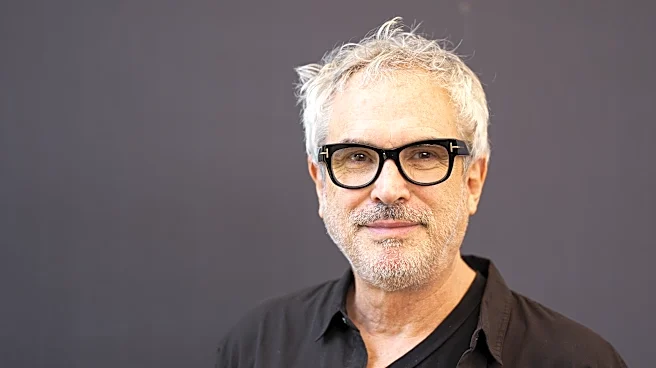
Film director Alfonso Cuarón has openly discussed his challenging experience with the 1998 adaptation of 'Great Expectations,' describing the six years spent on the project as 'horrible.' According to a 2013
interview with the Directors Guild of America, Cuarón felt the production was plagued by budget and script issues, forcing him to compensate visually for what he perceived as shortcomings in the screenplay. He admitted to an 'insecurity over the script,' which led him to exaggerate his distinctive visual style, making the film 'aggressively oversaturated.' The movie, a radical reimagining of Charles Dickens' classic, relocated the story to 1990s America and altered major character names, shifting the focus to a romance between Ethan Hawke and Gwyneth Paltrow, thereby diluting Dickens' original themes of social mobility and personal identity. Cuarón stated that despite good actors, a friendly producer, and amazing art direction, the film represented 'doing things for the wrong reasons.'
Why It's Important?
Cuarón's reflection on 'Great Expectations' offers a significant insight into the creative struggles even acclaimed filmmakers face, particularly when adapting classic literature. His experience highlights the delicate balance between artistic vision and commercial pressures, and how a lack of belief in the source material can lead to creative compromises. For the film industry, this serves as a cautionary tale about the potential pitfalls of projects driven by factors other than a strong script and clear artistic direction. It also underscores the importance of a director's conviction in their work, as Cuarón's subsequent success with critically acclaimed films like 'Gravity' and 'Roma' demonstrates a return to projects where his vision was fully aligned. This narrative can influence how studios approach adaptations and empower directors to prioritize creative integrity over perceived market demands.
What's Next?
While Cuarón has moved on to highly successful and critically acclaimed projects, his candid reflection on 'Great Expectations' may continue to shape discussions within the film community regarding creative control and the adaptation process. Future projects involving literary adaptations might see filmmakers and studios placing a greater emphasis on script development and ensuring a director's genuine connection to the material. For Cuarón himself, this past experience likely reinforces his commitment to projects where he feels a strong creative alignment, influencing his choices for upcoming films. The film's legacy, despite Cuarón's personal dissatisfaction, remains a part of his extensive filmography, and his comments provide a valuable context for film students and critics analyzing his body of work.
Beyond the Headlines
Cuarón's experience with 'Great Expectations' delves into the deeper psychological and ethical dimensions of artistic creation. His admission of compensating visually due to script insecurity reveals the pressure artists face to deliver a product, even when their core belief in it is wavering. This raises questions about the authenticity of artistic expression under duress and the potential for a director's personal struggles to manifest in the final product. The film's radical departure from Dickens' original themes also sparks a broader conversation about the responsibility of adapters to the source material versus their freedom to reinterpret. Cuarón's eventual 'wake-up call' and subsequent rediscovery of his passion for cinema highlight the transformative power of creative failure and the importance of aligning one's work with personal values and artistic integrity.