








What's Happening?
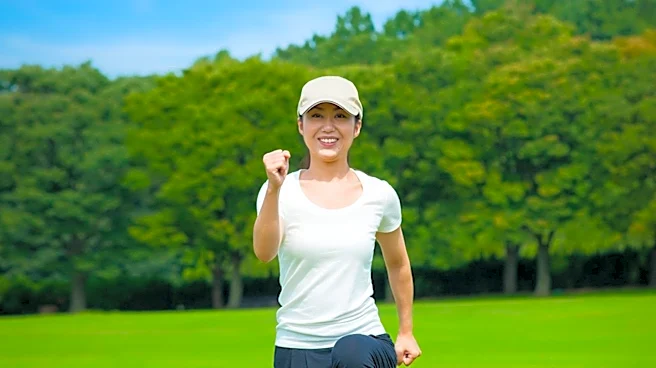
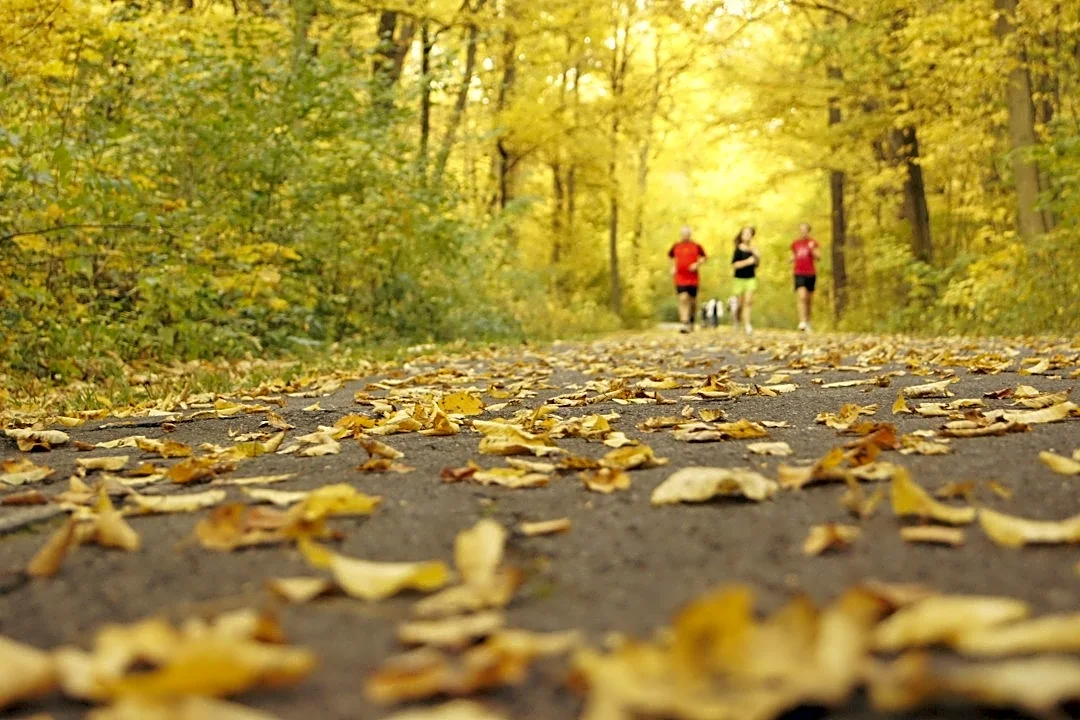
Japanese Walking, also known as interval walking, is a fitness method that involves alternating three minutes of fast walking with three minutes of slower walking for a total of 30 minutes. This exercise regimen, which can be performed four to five times
a week, has gained traction as a popular fitness trend, particularly on platforms like TikTok where it's referred to as 'Japan style walking.' According to Lindsy Jackson, a physical therapist and owner of Movement Managed in Littleton, New Hampshire, fast walking in this context means moving at approximately 70 percent of one's maximum effort, while slow walking is about 40 percent. Ross Arena, a professor at the University of Illinois Chicago, suggests using a fitness tracker or heart rate monitor to gauge intensity, or simply noting that during fast walking, one should be breathing harder and unable to comfortably hold a conversation. This method differs from steady-paced walking by intentionally varying intensity, which pushes the heart and muscles more effectively while remaining gentle on joints, as noted by Dr. Shawn G. Anthony, an orthopedic surgeon at Mount Sinai Health System in New York City.
Why It's Important?
The Japanese Walking method offers significant health benefits, particularly for middle-aged and older individuals. A 2007 Japanese study, which gave the exercise its nickname, found that this more intense workout was superior to steady-paced walking in lowering blood pressure, building leg muscles, and improving aerobic health. Participants in the study also showed better knee extension and flexibility. Scott Capozza, a spokesperson for the American Physical Therapy Association, highlights its effectiveness as a time-efficient method for increasing cardiovascular fitness, stating that increased walking speed intensity provides 'more bang for your buck.' Beyond cardiovascular health, experts suggest that Japanese walking boosts blood flow to the brain, builds endurance, burns more calories, increases endorphins, lowers blood sugar and stress, and strengthens joints. Research also indicates mental benefits, with studies showing improvements in mood, sleep, and quality of life for interval walkers, alongside greater endurance and flexibility.
What's Next?
For individuals interested in adopting Japanese Walking, experts recommend starting with comfortable shoes and a five-minute slow walk warm-up. Those new to exercise should begin with leisurely walks and gradually increase intensity. Hydration is crucial, especially when walking outdoors. Tracking progress with a fitness tracker or phone is also advised. Once comfortable with the basic method, varying the routine, such as incorporating weights or following choreographed workouts, can further enhance the benefits. While Japanese walking is suitable for many, including older adults, individuals with a history of heart, joint, or balance problems should consult their doctor before starting. Health experts suggest that those new to exercise or returning after a break should start with a slower, steady pace and progressively add faster intervals to avoid overexertion.
Beyond the Headlines
The popularity of Japanese Walking underscores a broader societal shift towards accessible and efficient fitness routines, especially in an era where time constraints are common. Its emphasis on interval training aligns with modern exercise science, which often advocates for varied intensity workouts to maximize health outcomes. The method's gentle impact on joints makes it particularly appealing to an aging population seeking to maintain mobility and cardiovascular health without high-impact stress. The trend's spread through social media platforms like TikTok also highlights the power of digital communities in disseminating health and wellness practices, making fitness information more widely available and encouraging participation. This approach to walking challenges the traditional view of exercise as requiring specialized equipment or gym memberships, promoting a more integrated and sustainable approach to physical activity in daily life.