






What's Happening?
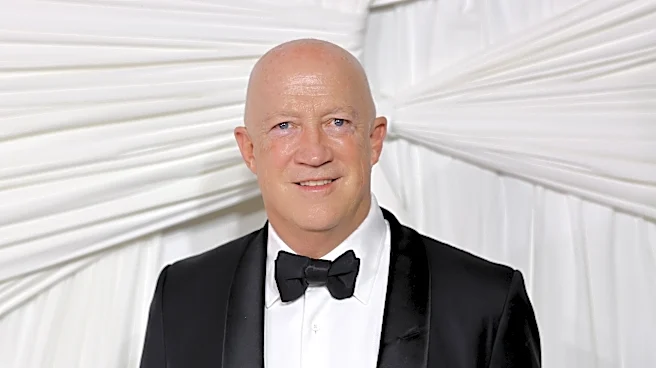
Vail Resorts' board of directors is strongly opposing the nominations of former Disney CEO Bob Chapek and investor Ashton Hudson, put forth by activist investor Oasis Management, for seats on its board. Oasis Management, which holds 9.6% of Vail Resorts' stock,
is engaged in a proxy fight, accusing current Vail Resorts CEO Rob Katz and the incumbent directors of incompetence and strategic missteps leading to significant shareholder value loss. Oasis aims to replace current directors Peter Vaughn and Michele Romanow, arguing that these are the areas where the company has underperformed. Oasis highlights Chapek's extensive hospitality and operational expertise from his tenure at Disney, where he reportedly delivered five consecutive years of record operating income and margin expansion in the Parks, Experiences and Products segment. Vail Resorts, however, asserts that Vaughn and Romanow are vital board members and that replacing them would be a serious blunder.
Why It's Important?
This proxy battle is significant for Vail Resorts as it challenges the current leadership and strategic direction of the company. The involvement of a high-profile figure like Bob Chapek, with his background at Disney, brings considerable attention to the dispute and could influence shareholder perception. If Oasis Management's nominees are successful, it could lead to substantial changes in Vail Resorts' operational strategies, particularly in marketing, loyalty programs, and digital initiatives, areas Oasis claims are deficient. The outcome will determine whether Vail Resorts continues its current path or undergoes a significant leadership and strategic overhaul, potentially impacting its market performance and competitive standing in the ski resort industry. The debate over board composition and corporate governance is central, with implications for how shareholder activism can drive change in established companies.
What's Next?
The proxy fight is set to culminate at Vail Resorts' annual meeting on December 14, where shareholders will vote on the board nominations. Prior to this, Vail Resorts will release its first-quarter results for the period ending October 31 on December 9. These results will include the final tally of Epic Pass sales for the season, which were reported to be weak through mid-September, down 12% in units and 6% in dollars. The performance of these sales could potentially influence some shareholders, although large institutional investors are generally less swayed by single-quarter results. Oasis Management's campaign will continue to press its case against the incumbent board, while Vail Resorts will defend its current strategy and leadership. The final decision rests with the shareholders, who will determine the future composition of the board.
Beyond the Headlines
The proxy battle at Vail Resorts highlights broader themes in corporate governance and shareholder activism. Oasis Management's aggressive stance underscores a growing trend where activist investors seek to directly influence company direction when they perceive underperformance. The debate over whether long-tenured leadership is beneficial or detrimental to a company's evolution is also central. While Vail Resorts emphasizes stability and continuity, Oasis argues for fresh perspectives and accountability for past performance. The financial arrangements between Oasis and Chapek, including a $100,000 monthly payment and a $500,000 forgivable loan for stock purchase if elected, raise questions about the incentives and potential conflicts of interest in such nominations. This situation could set a precedent for how companies respond to activist demands and how high-profile former executives are leveraged in corporate power struggles.