

What's Happening?
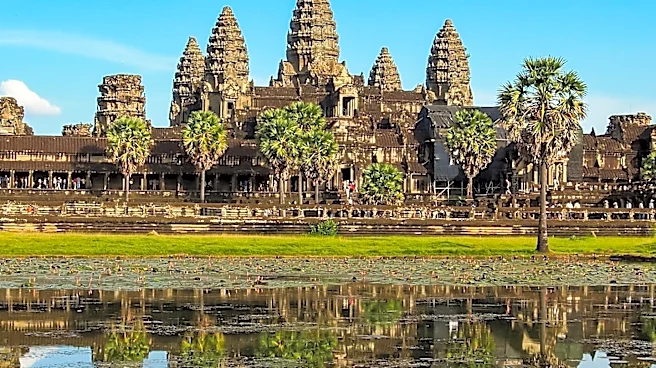
Solo travel in Cambodia is gaining traction, with many individuals feeling safe while exploring the country. However, for longer distances and more remote areas like islands or jungles, the underdeveloped infrastructure can make independent travel challenging.
This has led to an increased interest in small-group tours, which offer a balance of safety, logistical ease, and social connection for solo adventurers. Companies like G Adventures have even introduced 'Solo-ish' trips specifically designed for individuals traveling alone, ensuring they are not the 'odd one out' and share common interests with fellow travelers. These tours often include unique, authentic experiences that are difficult to arrange independently, such as homestays and visits to local communities, while also supporting local economies and women in the travel industry through initiatives like 'Tuk Tuk Ladies'.
Why It's Important?
This trend highlights a significant market opportunity for U.S. travel agencies and tour operators specializing in international destinations, particularly in Southeast Asia. As more Americans seek unique and immersive travel experiences but also value safety and convenience, curated small-group tours for solo travelers become highly attractive. The emphasis on community tourism and supporting local initiatives, as seen with G Adventures, aligns with a growing consumer demand for responsible and ethical travel. This shift could influence how U.S. travel companies structure their international offerings, prioritizing local engagement, sustainability, and tailored experiences for solo travelers. It also underscores the importance of robust logistical support and local expertise in destinations with developing infrastructure, ensuring a smoother and safer travel experience for U.S. citizens abroad.
What's Next?
The success of 'Solo-ish' tours and similar offerings suggests that more U.S. and international tour operators will likely expand their portfolios to cater specifically to solo travelers seeking group experiences. This could lead to an increase in specialized itineraries focusing on cultural immersion, adventure, or niche interests, all while providing the safety net and social benefits of a small group. We may also see further development in partnerships between tour operators and local communities, enhancing authentic experiences and ensuring sustainable tourism practices. As infrastructure in countries like Cambodia continues to evolve, the demand for guided tours that navigate these complexities efficiently will likely remain strong, particularly for travelers from regions accustomed to more developed travel networks.
Beyond the Headlines
The preference for small-group tours among solo travelers in destinations like Cambodia reflects a deeper desire for both independence and connection. It challenges the traditional dichotomy between solo travel and group travel, suggesting a hybrid model that offers the best of both worlds. This trend also speaks to the evolving definition of 'safety' in travel, where travelers seek not just physical security but also emotional comfort and social belonging. Furthermore, the focus on supporting local communities and women in the travel industry through these tours highlights a growing consciousness among travelers about the impact of their tourism dollars. This could foster a more equitable and sustainable global tourism landscape, where travel benefits local populations directly and empowers marginalized groups, moving beyond mere sightseeing to meaningful cultural exchange.