

What's Happening?
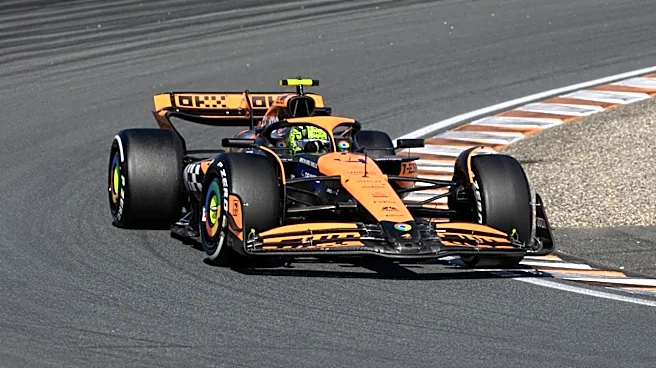
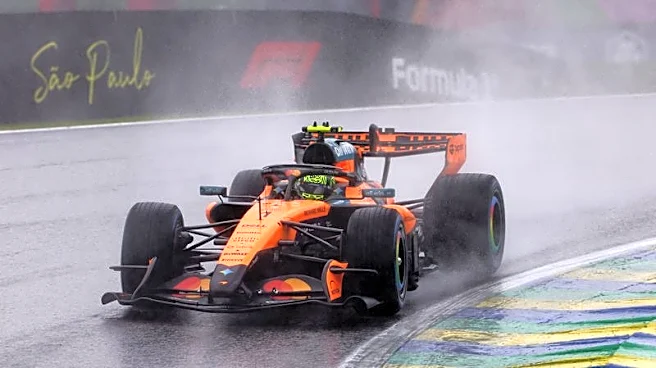
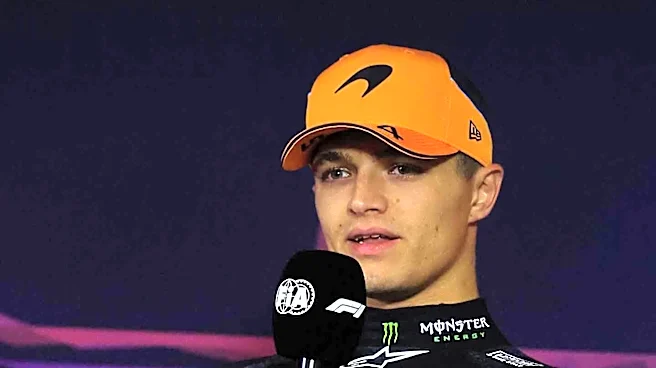
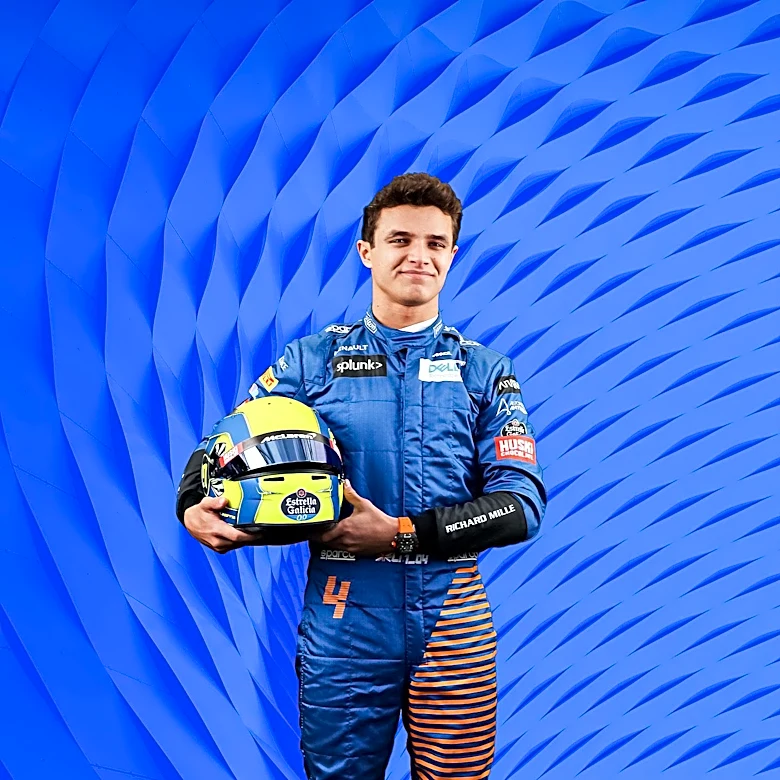
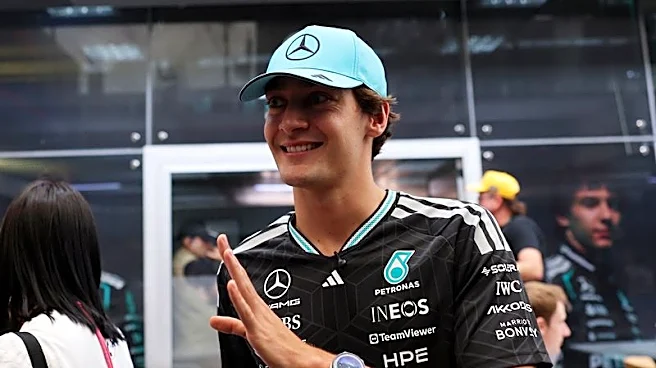
Lando Norris achieved the fastest time in a challenging, rain-affected qualifying session for the Sao Paulo Grand Prix at the Interlagos circuit. The McLaren driver posted a lap time of 1 minute and 27.470 seconds on a wet track, outperforming Mercedes’
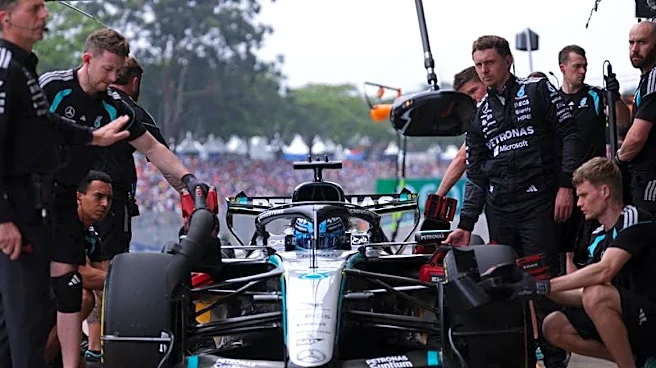
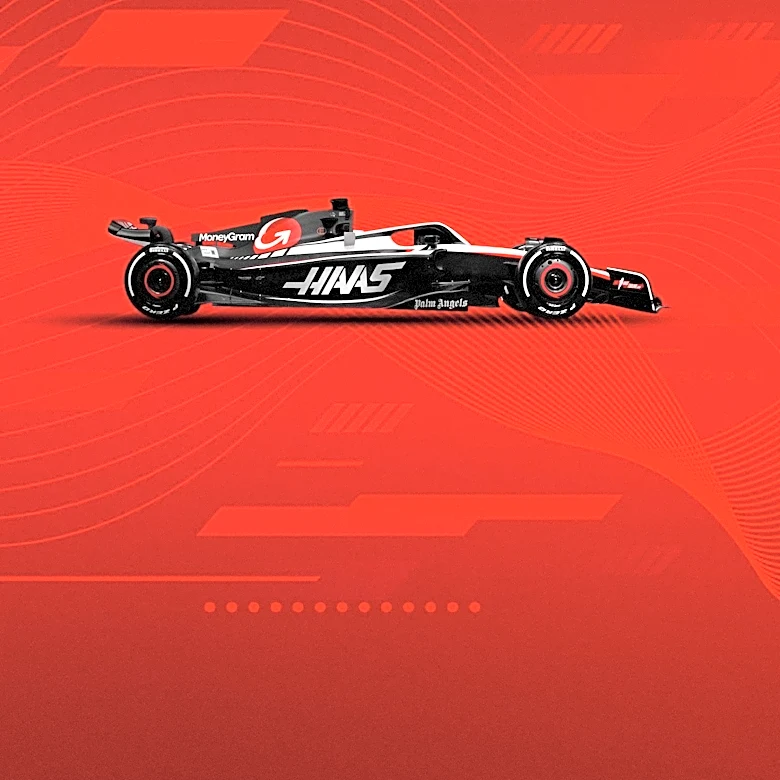
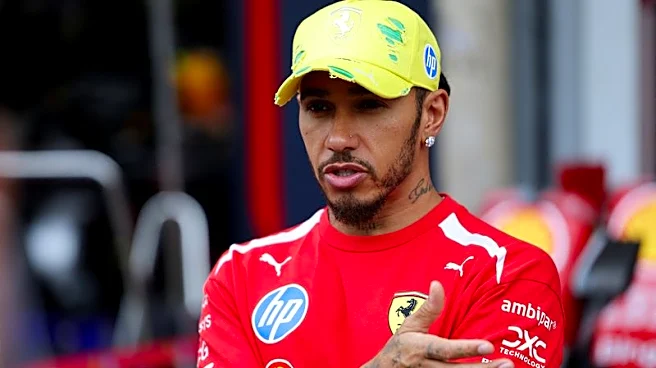
George Russell and Kimi Antonelli. The unpredictable Brazilian weather played a significant role, creating difficult conditions that tested the drivers' skills. George Russell, who initially qualified ahead of Ferrari’s Charles Leclerc, will face a five-place grid penalty for Sunday’s race. Leclerc will also incur a 10-position grid penalty. The wet conditions allowed several midfield teams to achieve strong qualifying results, with Nico Hulkenberg securing sixth for Audi, Isack Hadjar seventh, Haas’ Ollie Bearman eighth, Aston Martin’s Fernando Alonso ninth, and Williams’ Alex Albon rounding out the top 10.
Why It's Important?
This qualifying session highlights the significant impact of weather conditions on Formula 1 races, often leveling the playing field and creating opportunities for unexpected performances. Lando Norris's pole position demonstrates his skill and adaptability in adverse conditions, which can be a crucial factor in championship contention. For teams like Audi, Haas, Aston Martin, and Williams, strong qualifying results in challenging circumstances can provide a much-needed morale boost and valuable grid positions, potentially leading to points finishes that are vital for constructor standings. The grid penalties for George Russell and Charles Leclerc will significantly alter the starting lineup for Sunday's race, adding an element of unpredictability and potentially opening up strategic opportunities for other drivers. This outcome sets the stage for a potentially thrilling and unpredictable Grand Prix, where strategy and driver skill in varying conditions will be paramount.
What's Next?
Following the rain-soaked qualifying session, drivers and teams will now prepare for Sunday’s Sao Paulo Grand Prix. The grid penalties for George Russell (five places) and Charles Leclerc (10 places) will reshuffle the starting order, impacting their race strategies and potentially benefiting other competitors. Teams will analyze the weather forecasts closely, as any further rain could lead to a highly tactical race with potential for safety car periods and varied tire strategies. Lando Norris will start from pole position, aiming to convert his strong qualifying performance into a race win. The midfield teams that performed well in qualifying will be looking to capitalize on their advantageous starting positions to score valuable championship points. The race is expected to be a test of endurance, strategy, and driver skill, especially if weather conditions remain unpredictable.
Beyond the Headlines
The Sao Paulo Grand Prix qualifying session underscores the inherent drama and unpredictability that weather can bring to motorsport, transforming a seemingly straightforward event into a high-stakes gamble. Beyond the immediate race implications, such conditions often reveal the true depth of a driver's talent and a team's operational agility. For Formula 1, these dramatic sessions contribute to the sport's appeal, attracting viewers who enjoy the spectacle of drivers pushing the limits in challenging environments. It also highlights the technological advancements in car design and tire development that allow for racing in such extreme conditions. The performance of midfield teams in these circumstances can also serve as a crucial benchmark for their progress and potential, offering a glimpse into future competitive landscapes within the sport. These moments often become memorable parts of Formula 1 history, showcasing bravery and skill under pressure.