






What's Happening?
Cold therapy is a recommended component in the post-operative recovery plan for dogs undergoing Tibial Plateau Leveling Osteotomy (TPLO) surgery. This procedure, which addresses cranial cruciate ligament tears in dogs, requires careful management during
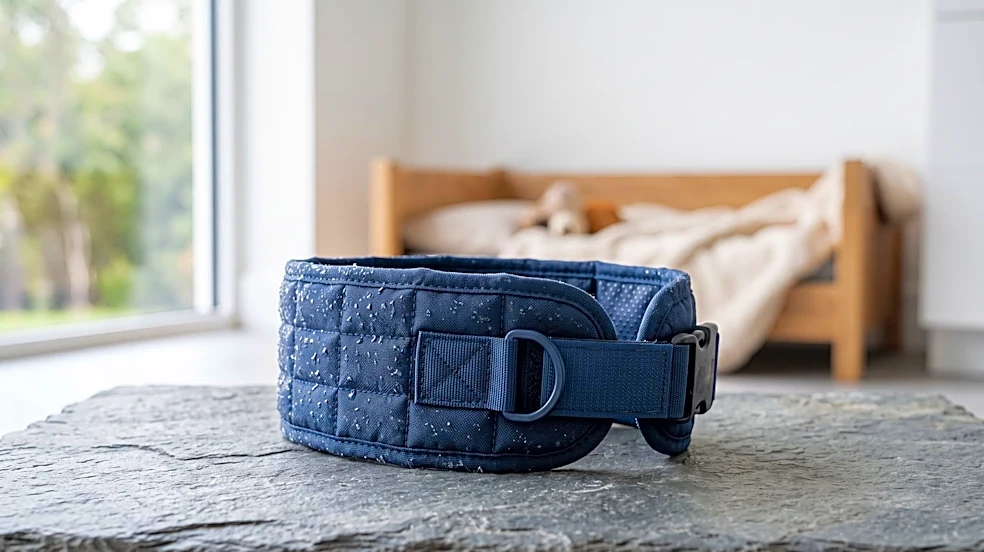
the initial days to control pain and swelling. Specifically, during days 0-3 post-surgery, a wrapped cold pack can be applied around the knee for 10-15 minutes, provided it is approved in the discharge instructions. Cold therapy is most beneficial in the immediate aftermath of surgery or following an activity-related increase in swelling. It is crucial to never place ice directly against the skin or an unwrapped cold pack over the incision. The overall recovery process for TPLO surgery is extensive, requiring strict activity restriction for approximately eight weeks or longer, to protect the healing bone, implants, and soft tissues.
Why It's Important?
The proper application of cold therapy is vital for managing acute inflammation and pain in dogs recovering from TPLO surgery. By reducing swelling and discomfort, cold therapy contributes to a more comfortable recovery period, which can indirectly support the dog's ability to rest and avoid stressing the surgical site. This is particularly important as early leg use does not signify complete bone healing, and uncontrolled activity can lead to complications. The emphasis on veterinary approval and specific application guidelines underscores the need for careful, supervised post-operative care to ensure optimal healing and prevent further injury. This highlights the critical role of detailed, veterinarian-guided recovery protocols in achieving successful outcomes for complex orthopedic procedures in pets.
What's Next?
Following the initial phase of cold therapy, the recovery plan for dogs after TPLO surgery progresses through several stages. Days 4-14 focus on encouraging calm limb use without stressing the healing bone, involving short leash walks and gentle weight shifting. Weeks 3-4 aim to rebuild controlled movement and basic strength through gradually longer walks and careful exercises. Weeks 5-8 concentrate on improving strength, balance, and body awareness while maintaining activity restrictions, potentially including hydrotherapy. Full recovery, including a gradual return to activities like hiking and running, can take several months, with continuous monitoring and veterinary clearance. The long-term success of the surgery depends on adherence to these structured rehabilitation phases, including ongoing weight management and appropriate supplements.
Beyond the Headlines
The detailed post-operative care for TPLO surgery in dogs, including the use of cold therapy, reflects the advanced state of veterinary medicine and the increasing focus on pet welfare. This level of care mirrors human orthopedic rehabilitation, emphasizing pain management, controlled rehabilitation, and long-term recovery strategies. The need for strict adherence to veterinary instructions also highlights the significant commitment required from pet owners in ensuring their animal's well-being. This approach not only improves the physical outcome for the dog but also strengthens the human-animal bond through dedicated care. It also underscores the economic implications for pet owners, as such specialized care can be costly, prompting discussions around pet insurance and access to advanced veterinary treatments.