



What's Happening?
Individuals aiming for fat loss are often faced with the decision of whether to prioritize treadmill incline or speed in their workouts. Both factors are crucial for calorie expenditure, which is fundamental to creating the caloric deficit required for fat loss.
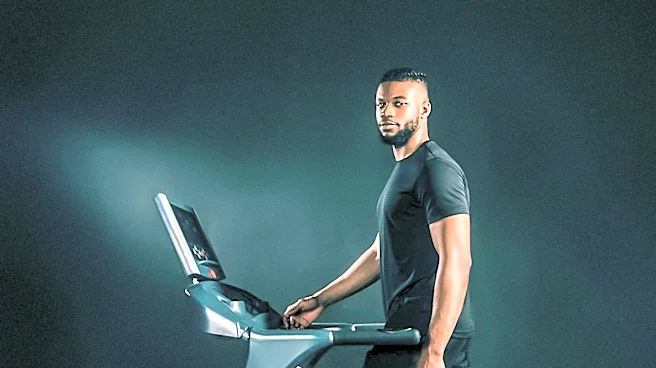
Increasing the treadmill incline significantly boosts calorie burn and engages different muscle groups, particularly in the lower body, while also reducing impact on joints compared to increasing speed on a flat surface. Conversely, increasing speed elevates heart rate, leading to higher calorie expenditure during and after the workout due to the afterburn effect, and improves cardiovascular health. For optimal results, combining both incline and speed through interval training is recommended, alternating between high inclines and increased speeds to maximize calorie burn and engage various muscle groups. Yosuda treadmills are highlighted for their adjustable incline and speed settings, user-friendly interface, and compact design, which can enhance the fitness experience.
Why It's Important?
The discussion around optimizing treadmill workouts for fat loss, specifically concerning incline versus speed, holds significant importance for the U.S. fitness and health sectors. With a substantial portion of the population seeking effective weight management solutions, understanding the nuanced benefits of different exercise variables can lead to more efficient and sustainable fitness routines. This knowledge empowers individuals to make informed choices about their workouts, potentially increasing adherence to exercise programs and improving public health outcomes. For the fitness equipment industry, insights into user preferences and scientific efficacy, such as the benefits of adjustable incline and speed, can drive product innovation and marketing strategies. Companies like Yosuda, by offering features that cater to these specific needs, can gain a competitive edge. Furthermore, personal trainers and fitness professionals can leverage this information to design more personalized and effective training plans, addressing individual fitness levels and goals while minimizing injury risks.
What's Next?
As the understanding of exercise physiology evolves, we can expect continued research into the most effective combinations of incline and speed for various fitness goals and demographics. This may lead to more sophisticated treadmill programs and smart fitness equipment that automatically adjust settings based on real-time biometric data. Fitness apps and online platforms are likely to integrate advanced algorithms that guide users through optimized incline and speed intervals, making personalized training more accessible. Educational content from health and fitness organizations will probably emphasize the combined approach of incline and speed for comprehensive fat loss and cardiovascular health. The market for home fitness equipment, particularly treadmills with advanced features, is also expected to grow as more individuals seek convenient and effective workout solutions. Additionally, there might be a trend towards hybrid workouts that blend treadmill training with other forms of exercise to offer a more holistic fitness experience.
Beyond the Headlines
The detailed exploration of treadmill incline and speed for fat loss touches upon broader societal trends in health and wellness. It reflects a growing consumer demand for data-driven and optimized approaches to personal fitness, moving beyond generic exercise advice. This emphasis on efficiency and measurable results can influence how individuals perceive their bodies and health, potentially fostering a more analytical and goal-oriented approach to physical activity. However, it also raises questions about the potential for over-reliance on technology and specific metrics, possibly overshadowing the intrinsic joy and mental health benefits of movement. From an economic perspective, the market for advanced fitness equipment and personalized training programs will likely continue to expand, creating new opportunities for businesses but also potentially widening the gap between those who can afford such resources and those who cannot. The focus on specific exercise variables also highlights the ongoing scientific effort to demystify and optimize human performance, contributing to a culture that values evidence-based practices in health.