

What's Happening?
Dermatologists Dr. Danny Guo and Dr. Jenna Queller confirm that retinol can be effectively used on hands to combat signs of aging, such as fine lines, uneven pigmentation, and texture. The American Academy of Dermatology also lists retinol as a treatment
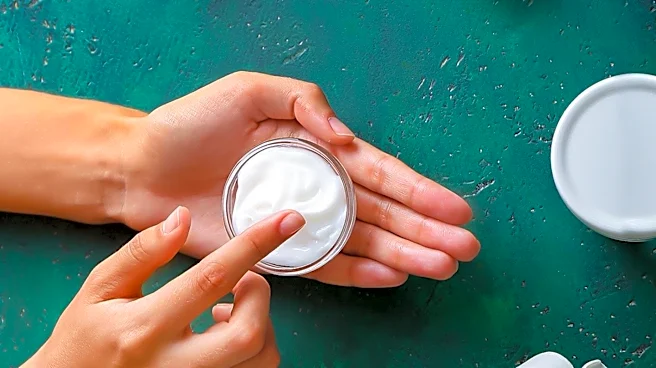
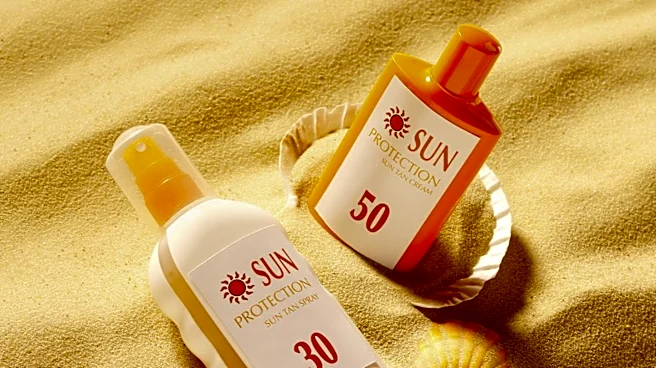
option for wrinkled hand skin. While many assume facial skin is more sensitive, hands often have fewer oil glands and are constantly exposed to environmental irritants, making them prone to aging. Experts recommend using lower-strength, fragrance-free retinol formulations specifically designed for the body. Starting with a twice-weekly application and gradually increasing frequency is advised to allow hands to adjust. It's crucial to apply retinol to clean, dry hands, followed by a moisturizer containing ceramides, glycerin, or hyaluronic acid. Sunscreen is highlighted as a non-negotiable daily step when incorporating retinol into a hand care routine, as retinol increases sun sensitivity.
Why It's Important?
This guidance from dermatologists is significant for the U.S. skincare and beauty industry, potentially driving increased demand for retinol-based hand and body products. Consumers, particularly those concerned with visible signs of aging, may now extend their anti-aging routines beyond the face and neck to include their hands. This shift could lead to new product development and marketing strategies focusing on hand-specific retinol formulations and complementary moisturizers and sunscreens. For individuals, understanding the proper application and precautions, such as starting with lower concentrations and consistent sunscreen use, is crucial to avoid irritation and achieve desired results. The emphasis on gentle, fragrance-free options also highlights a growing consumer preference for less irritating skincare ingredients, influencing product innovation across the market.
What's Next?
The endorsement of retinol for hand anti-aging is likely to spur further research and development in the dermatological and cosmetic sectors, leading to a wider array of specialized hand care products. Skincare brands may introduce new lines of retinol-infused hand creams, serums, and body lotions, potentially featuring varying strengths and formulations tailored for sensitive hand skin. Educational campaigns from dermatological associations and beauty brands could emerge, focusing on the benefits and proper application techniques for retinol on hands, as well as the critical role of daily sun protection. Consumers can expect to see more accessible and affordable options for retinol-based hand treatments, alongside continued emphasis on complementary products like broad-spectrum sunscreens and rich moisturizers to support skin barrier health.
Beyond the Headlines
The growing focus on hand anti-aging reflects a broader societal trend towards holistic skincare and a desire to maintain a youthful appearance across all visible body parts. Hands, often overlooked in anti-aging routines, are significant indicators of age due to constant exposure to environmental factors and frequent washing. This development underscores a shift in beauty standards, where comprehensive care extends beyond the face to encompass areas that reveal age. Ethically, it raises questions about the pressures individuals face to conform to aesthetic ideals and the potential for increased consumer spending on specialized products. Culturally, it highlights the evolving understanding of skincare science and the integration of advanced ingredients like retinol into everyday routines, moving beyond traditional moisturizers to more targeted treatments for specific body areas.