




What's Happening?
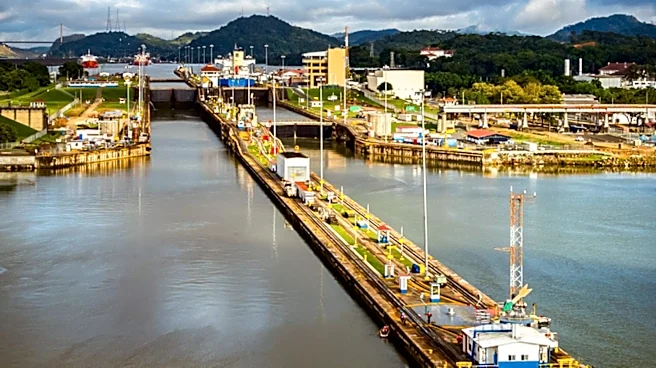
The Panama Canal Authority (ACP) has announced the postponement of a planned reduction in the maximum draft for vessels utilizing its Neopanamax locks. The draft, which was scheduled to be lowered to 47.5 feet (14.48 meters) on October 1, will remain
at the current 48 feet (14.63 meters) Tropical Fresh Water. This decision follows the canal's latest assessment of Gatun Lake levels and updated weather forecasts. The ACP stated that maintaining the current draft provides greater continuity for ship operators in their voyage planning and vessel deployment. This adjustment is part of a series of measures taken by the canal to manage capacity due to lower-than-expected rainfall and concerns about a strengthening El Niño phenomenon. Earlier this summer, the canal progressively reduced its maximum Neopanamax draft from 49.5 feet to 48 feet. The canal has also implemented separate reductions in daily transit capacity, with Neopanamax capacity reduced to nine daily slots and Panamax capacity set to decrease further in September.
Why It's Important?
The Panama Canal is a critical artery for global maritime trade, and any operational changes have significant implications for U.S. industries and consumers. The postponement of the draft reduction offers temporary relief for U.S. businesses that rely on the canal for shipping goods, potentially preventing further delays and increased costs. However, the underlying issues of reduced rainfall and the anticipated extended El Niño period signal ongoing challenges for the canal's capacity. Elevated traffic levels, partly due to disruptions elsewhere in global shipping, have already increased competition for transit reservations, impacting energy carriers and other sectors. Prolonged capacity constraints could lead to higher shipping costs, longer transit times, and potential rerouting of vessels, affecting supply chains for various U.S. imports and exports. The situation highlights the vulnerability of global trade to environmental factors and geopolitical events, underscoring the need for resilient logistics strategies for U.S. companies.
What's Next?
The Panama Canal Authority will continue to closely monitor Gatun Lake levels and weather conditions, indicating that further draft adjustments could be announced as the situation evolves. While the immediate draft reduction has been postponed, the ACP's long-term concerns about the developing El Niño, which is anticipated to last approximately eight months, suggest that capacity management measures will likely persist. Operators are still urged to book transit slots in advance to avoid significant wait times. The canal is also moving forward with its proposed $1.6 billion Río Indio Reservoir Project, aimed at providing an additional freshwater source and enhancing the waterway's resilience against future droughts. However, this project is a long-term solution and will not address immediate capacity challenges. U.S. businesses and shipping companies will need to remain vigilant for further updates from the ACP and adapt their logistics plans accordingly.
Beyond the Headlines
The Panama Canal's challenges extend beyond immediate operational adjustments, revealing deeper implications for global trade infrastructure and climate resilience. The reliance on freshwater for the canal's operation underscores the increasing impact of climate change and extreme weather patterns on critical global supply chains. The need for significant infrastructure projects like the Río Indio Reservoir highlights the substantial investments required to adapt existing trade routes to a changing climate. Furthermore, the increased traffic through the Panama Canal due to disruptions in other global shipping lanes, such as those caused by the Iran War, illustrates the interconnectedness of global trade and the cascading effects of regional conflicts. This situation could prompt U.S. policymakers and businesses to re-evaluate the diversification of trade routes and invest in alternative shipping methods or domestic production capabilities to mitigate future disruptions and enhance economic security.