




What's Happening?
NASCAR Cup Series driver Kyle Larson has publicly called for teams to have more control over pit stop strategy during wet-weather conditions. Speaking on the 'Door Bumper Clear' podcast, Larson argued that the current practice, where a competition caution
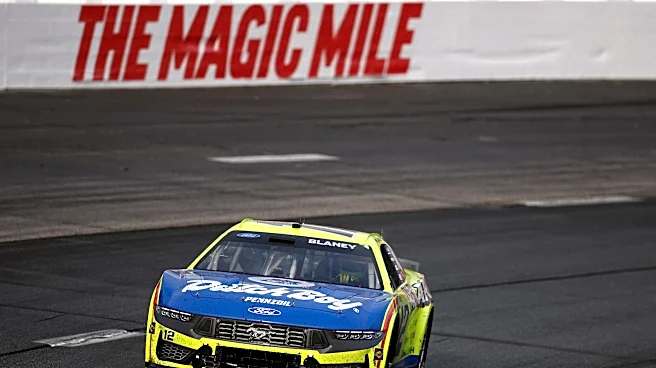
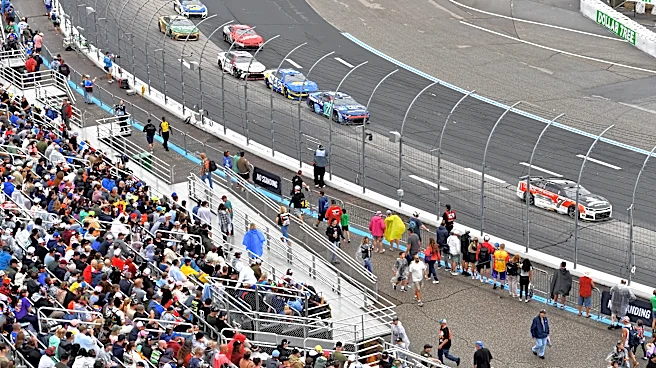
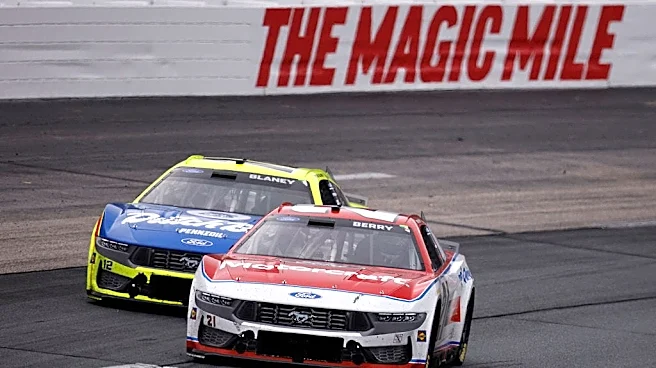
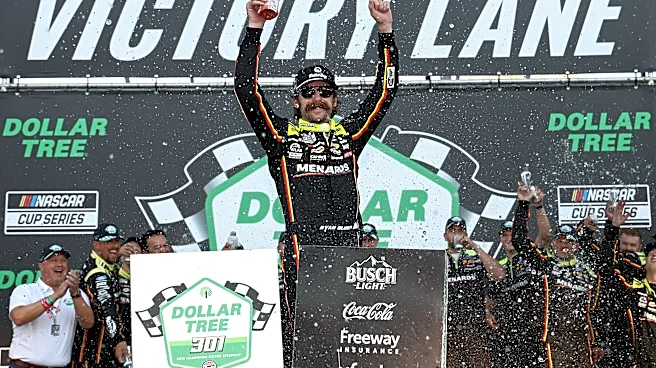
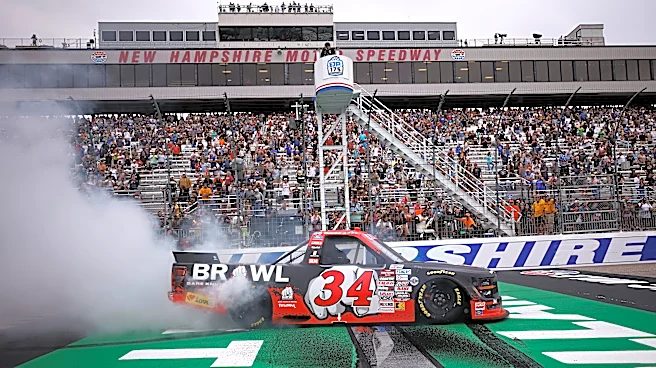
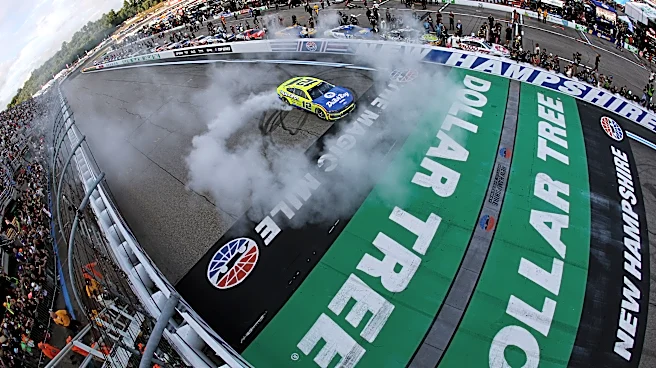
allows teams to switch from wet-weather tires to slicks without racing over pit road, negatively impacts the racing product. He highlighted that other racing series permit live pit stops in the rain, enabling strategic decisions that could benefit skilled teams and drivers. Larson's comments come after the New Hampshire race, where drivers started on wet-weather tires before a caution on lap 40 facilitated the tire change. He believes that allowing live pit stops would introduce a crucial element of strategy, making races more dynamic and rewarding for teams that excel in such conditions. The recent Dollar Tree 301 race saw several drivers, including Carson Hocevar and Tyler Reddick, struggle with wet tires, further emphasizing the challenges and potential for strategic differentiation in these scenarios.
Why It's Important?
Larson's advocacy for live wet-weather pit stops could significantly impact NASCAR's racing strategy and competitive landscape. Implementing such a change would introduce a new layer of tactical decision-making for teams, potentially shifting race outcomes based on pit crew efficiency and strategic calls rather than mandated caution periods. This could lead to more unpredictable and exciting races, which might boost fan engagement and viewership. For teams, it would necessitate increased training and investment in pit crew performance under adverse conditions. Drivers like Larson, who are adept at adapting to changing track conditions, could gain a competitive advantage. Conversely, teams with less experienced pit crews or those less prepared for dynamic wet-weather strategies might struggle. The move could also influence tire development and track preparation protocols, as NASCAR would need to ensure safety and fairness with live pit stops in the rain. Ultimately, it represents a potential evolution in NASCAR's approach to racing in challenging weather, aiming to enhance the sport's strategic depth.
What's Next?
NASCAR has not yet formally responded to Kyle Larson's suggestion regarding wet-weather pit stops. However, his public comments, especially from a prominent driver, could prompt discussions within the sanctioning body and among team owners. If NASCAR considers this change, it would likely involve extensive evaluation of safety protocols, logistical challenges, and the potential impact on competition. Any rule modification would require careful planning, possibly including testing sessions to ensure feasibility and fairness. Stakeholders, including other drivers, team principals, and tire manufacturers, would likely weigh in on the proposal. The outcome could range from a complete overhaul of wet-weather pit stop rules to minor adjustments or even a decision to maintain the current system. The ongoing debate about enhancing the racing product and introducing more strategic elements will likely keep this topic relevant in future NASCAR discussions.
Beyond the Headlines
The discussion around wet-weather pit stops touches upon a broader philosophical debate within NASCAR regarding the balance between safety, competition, and entertainment. While current rules prioritize safety by neutralizing the field during tire changes in wet conditions, Larson's argument highlights a desire for more strategic complexity and driver skill to dictate race outcomes. This tension between controlled racing and raw competition is a recurring theme in motorsports. Allowing live wet-weather pit stops could elevate the role of human element—both driver and pit crew—in challenging conditions, potentially creating more memorable moments and showcasing exceptional talent. However, it also introduces increased risks, which NASCAR would need to mitigate. The decision will reflect NASCAR's ongoing effort to evolve the sport while preserving its core appeal, balancing tradition with innovation to keep the racing product compelling for fans and participants alike.