







What's Happening?
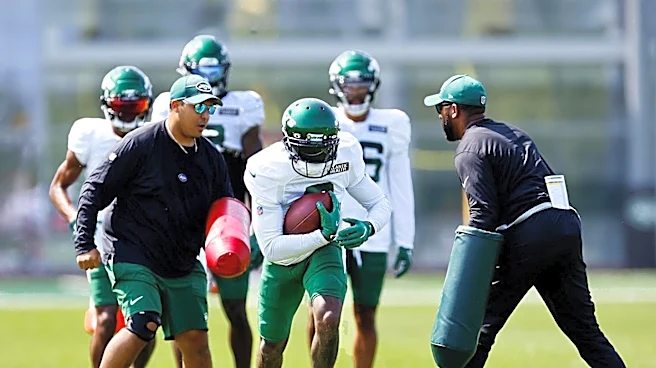
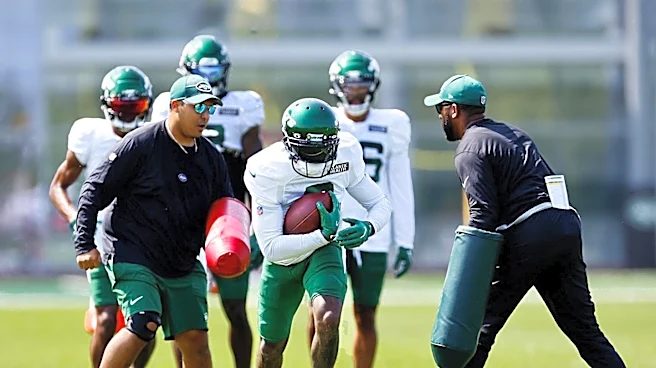
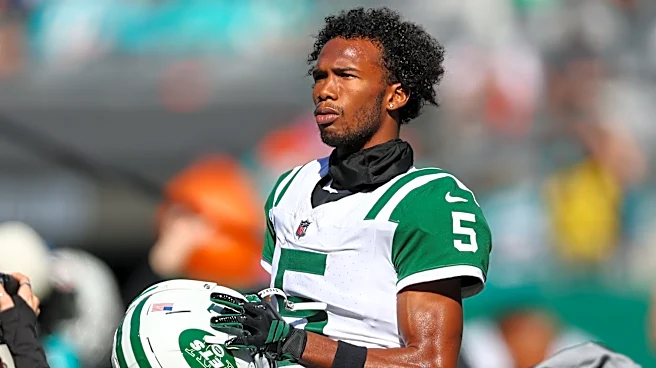
The New York Jets have definitively stated that star wide receiver Garrett Wilson will not be traded before the NFL's November 10 deadline, despite significant interest from other teams. According to multiple reports, including ESPN, the Jets have communicated
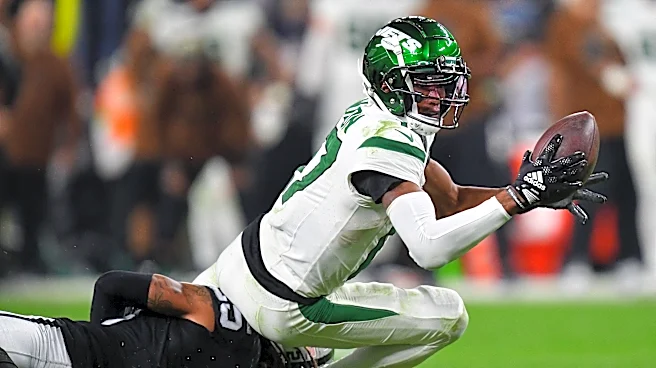
to inquiring teams that Wilson is not available. This stance comes even as the Jets hold a 2-5 record, prompting speculation that they might be sellers at the trade deadline. Wilson, who signed a four-year, $130 million extension through 2030 just 15 months ago, is considered a foundational player for the franchise. Jets ownership reportedly holds Wilson in high regard and is unwilling to part with him. Wilson himself has publicly expressed his desire to remain with the Jets, stating his commitment to winning with the team, though he acknowledges that winning is his ultimate priority. He has been productive despite inconsistent quarterback play, recording 37 catches for 444 yards and three touchdowns in seven games this season.
Why It's Important?
The Jets' decision to retain Garrett Wilson signals a commitment to building around key talent rather than accumulating more draft assets. This is significant because the team already possesses three first-round picks in the 2027 NFL Draft, acquired from previous trades. By keeping Wilson, the Jets aim to pair his proven talent with future draft selections to construct a more competitive roster, particularly on offense. Trading Wilson, while potentially yielding a substantial return of draft capital, would leave a significant void in their receiving corps and contradict their stated goal of becoming a winning team. This move indicates a shift in strategy from solely acquiring future assets to retaining and developing current star players to achieve immediate and long-term success. For Wilson, remaining with the Jets means he will continue to be a central figure in their offensive plans, with the hope that future team improvements will lead to more wins.
What's Next?
With the trade deadline approaching on November 10, the Jets will now focus on integrating Wilson into their offensive strategy for the remainder of the season and beyond. The team's emphasis will likely shift towards utilizing their existing draft capital to acquire or develop a quarterback and other offensive linemen to complement Wilson's talent. This approach suggests that the Jets are looking to build a more cohesive and competitive team through the draft and player development, rather than through high-profile trades of their current stars. Wilson will continue to be the primary target in the Jets' passing game, and his performance will be crucial as the team attempts to improve its record. The organization's commitment to Wilson also implies that future coaching and personnel decisions will likely be made with his role as a cornerstone player in mind.
Beyond the Headlines
The Jets' firm stance on not trading Garrett Wilson reflects a broader organizational philosophy that prioritizes stability and talent retention over a complete rebuild through draft picks. This decision could influence how other NFL teams approach their own trade deadlines, particularly those with young, high-performing players on struggling rosters. It highlights the tension between maximizing future assets and maintaining a core of established talent. For the Jets, this commitment to Wilson could also serve as a message to other players about the organization's dedication to its stars, potentially fostering a more positive team culture. Ethically, it reinforces the idea that long-term contracts are meant to secure talent rather than merely create trade bait. The long-term success of this strategy will depend heavily on the Jets' ability to effectively use their substantial draft capital to build a winning team around Wilson.