




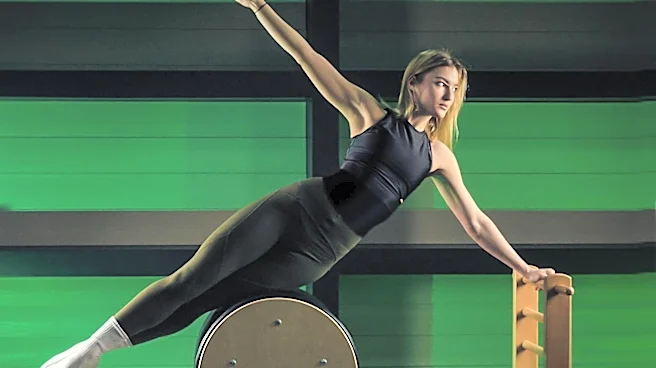

What's Happening?
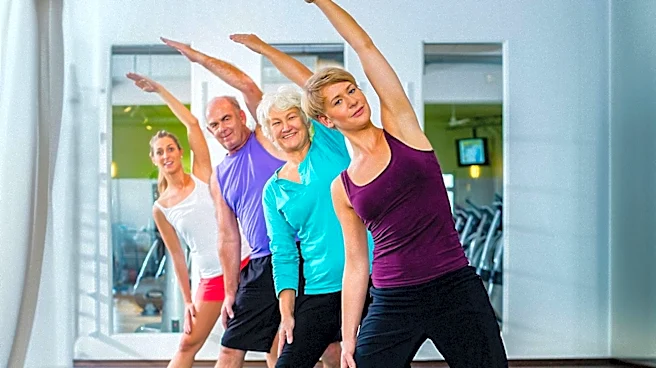
Flexing, encompassing various techniques like dynamic stretching, mobilization, and contraction-relaxation exercises, allows individuals to voluntarily control muscle length and tension. This practice aims to enhance flexibility, improve joint mobility,
and increase range of motion. Historically, the importance of flexibility has been recognized for centuries, with roots in ancient Chinese tai chi and qigong, and Indian yoga. The modern concept of flexing gained prominence in the early 20th century with the rise of bodybuilding and goal conditioning, as coaches focused on improving flexibility, balance, and overall athleticism. Key physical benefits include improved flexibility, increased strength, and enhanced balance and coordination. Flexing also contributes to better posture through exercises targeting the chest, shoulders, spine, hips, and pelvis. Beyond physical advantages, flexing can positively impact mental well-being by reducing stress and anxiety, improving focus and concentration, and increasing body awareness.
Why It's Important?
The integration of flexing into daily routines and fitness programs in the U.S. signifies a growing understanding of holistic health, moving beyond traditional strength training to include flexibility and mobility as crucial components of overall wellness. This shift has implications for public health, potentially leading to a reduction in musculoskeletal injuries and chronic pain, which are significant healthcare burdens. For the fitness industry, it expands the scope of services offered, from specialized classes to personalized training programs that incorporate flexing techniques. The emphasis on both physical and mental benefits aligns with a broader trend of seeking integrated solutions for well-being, recognizing the interconnectedness of the body and mind. As more individuals adopt flexing practices, it could lead to a more active and resilient population, capable of maintaining independence and quality of life, particularly as they age.
What's Next?
The continued popularization of flexing is likely to lead to more diverse and accessible programs in gyms, community centers, and online platforms across the U.S. We can anticipate further research into the specific benefits of different flexing techniques for various populations, including athletes, older adults, and individuals with specific physical limitations. Educational initiatives may emerge to better inform the public about the correct and safe ways to incorporate flexing into their routines, potentially reducing the risk of injury. Furthermore, the mental health benefits of flexing, such as stress reduction and improved focus, could lead to its integration into corporate wellness programs and stress management therapies. The development of wearable technology and apps that guide users through flexing exercises could also become more sophisticated, offering personalized routines and progress tracking.
Beyond the Headlines
The evolution of flexing from ancient practices to modern fitness regimens highlights a timeless human pursuit of physical mastery and well-being. This practice, by emphasizing voluntary control over muscles and movement, encourages a deeper connection between the mind and body. In a fast-paced, often sedentary society, the deliberate act of flexing can serve as a form of mindful movement, promoting self-awareness and presence. The accessibility of flexing, which can be incorporated into everyday activities without requiring specialized equipment, democratizes physical wellness, making it attainable for a wider demographic. This broader adoption could foster a culture where maintaining flexibility and mobility is seen not just as a physical exercise, but as a fundamental aspect of self-care and mental resilience, contributing to a more balanced and harmonious lifestyle.