


What's Happening?
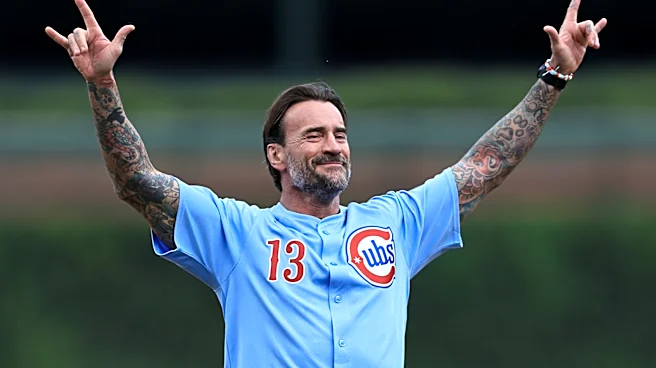
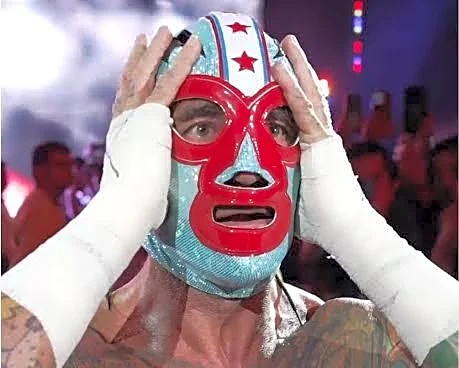
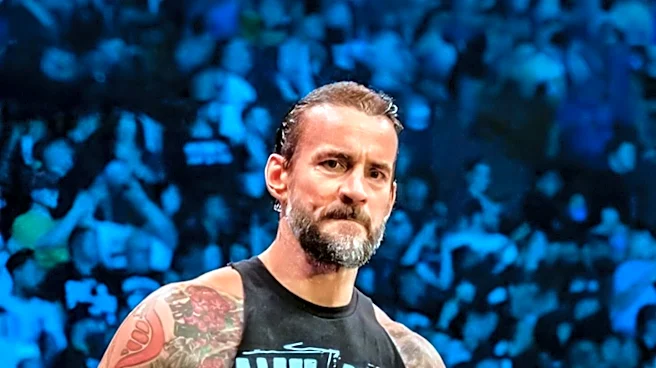
CM Punk, a prominent WWE wrestler, has disclosed that a fractured skull sustained in 2002 continues to affect his in-ring performance. According to Punk, this long-standing injury causes him to experience vertigo, which he states impacts his ability to 'sell'
matches effectively. He explained on Netflix's 'Hot Ones: Extra Heat' that the injury dislodged bones in his inner ear responsible for equilibrium, leading to instances where the world spins if he lies down and looks straight up. This revelation comes as Punk, despite approaching 50, remains a significant draw in WWE, having recently been involved in high-profile matches and storylines. His candid admission sheds light on the physical toll professional wrestling can take and the hidden challenges athletes face.
Why It's Important?
This disclosure is significant for several reasons within the professional wrestling landscape and broader sports context. Firstly, it highlights the extreme physical demands and long-term health consequences faced by athletes in high-impact sports like wrestling. Punk's ability to perform at an elite level for over two decades, despite a debilitating injury, underscores his resilience but also raises questions about athlete welfare and medical support in the industry. Secondly, it offers fans a deeper understanding of the nuances of 'selling' in wrestling, revealing that what might appear as a performance choice can sometimes be a genuine physical reaction. This insight could shift perceptions of his in-ring work and contribute to a more informed appreciation of the challenges wrestlers overcome. Lastly, it adds a layer of authenticity to Punk's character, as his struggles with vertigo are now known to be a real-life battle, potentially enhancing his connection with the audience.
What's Next?
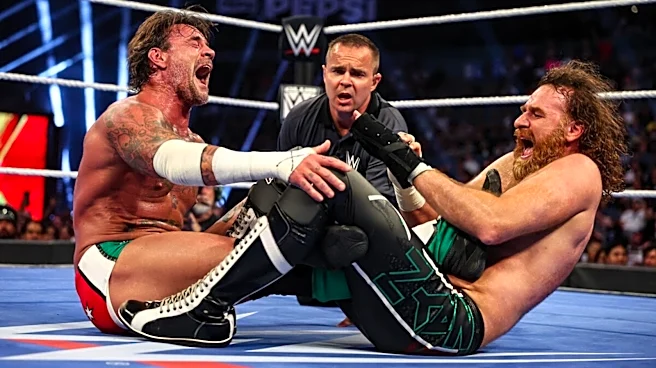
While CM Punk has not indicated any immediate plans to step away from wrestling due to this condition, his revelation could prompt increased scrutiny of his health and future in-ring appearances. Fans and commentators may now view his performances through the lens of his vertigo, potentially leading to more discussions about his long-term well-being. It is also possible that WWE's medical staff might monitor his condition more closely, or that his in-ring style could subtly adapt to mitigate the effects of his vertigo. The wrestling community will likely continue to praise his toughness, but there may also be calls for greater transparency regarding athlete health in the sport. His continued presence in high-stakes matches, such as his recent involvement with Sami Zayn and Kevin Owens, suggests he intends to keep competing, but the underlying health issue remains a factor.
Beyond the Headlines
CM Punk's revelation extends beyond the immediate wrestling narrative, touching upon broader themes of chronic injury management in professional sports and the often-invisible struggles athletes endure. It brings to the forefront the ethical considerations of athletes continuing to perform with significant, long-term health issues. The 'show must go on' mentality prevalent in wrestling often pushes performers to conceal or downplay injuries, making Punk's honesty a notable departure. This transparency could encourage other athletes to speak out about their own health challenges, fostering a more open dialogue about the long-term physical and neurological impacts of their careers. It also serves as a reminder that the entertainment aspect of professional wrestling often masks profound physical sacrifices, prompting a deeper appreciation for the human element behind the performance.