
What's Happening?
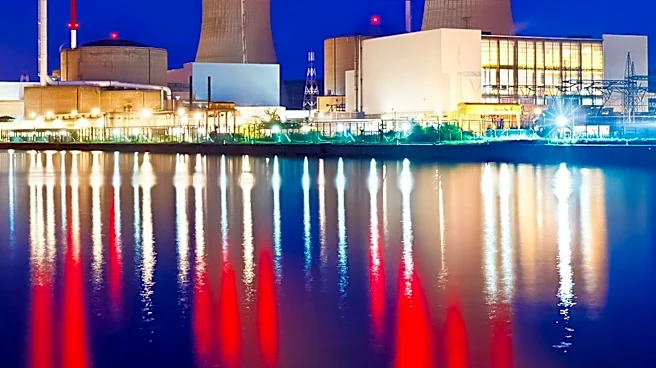
Amazon has entered into a 20-year power purchase agreement (PPA) with Constellation Energy to support the expansion and improvement of Maryland's Calvert Cliffs Clean Energy Center. This nuclear plant
is the state's largest source of clean energy. The agreement is expected to facilitate over $3 billion in Maryland infrastructure investments, including renovations at the 1,790-megawatt facility. This deal will also enable approximately 190 megawatts of new generating capacity, projected to become operational between 2030 and 2032. Constellation, which is the largest producer of clean energy and the largest nuclear energy company in the United States, stated that the investment and revenue certainty provided by this PPA will allow for the relicensing of the nuclear plant for an additional two decades. This extension is anticipated to support the development of new clean energy power plants at the site and enhance Maryland’s supply of carbon-free energy. Amazon will receive 690 megawatts of power from the nuclear plant, which includes the 190 megawatts uprate. Additionally, Amazon has signed a separate retail supply agreement with Constellation to support its operations within the 13-state PJM market, the largest power grid operator in the U.S.
Why It's Important?
This partnership between Amazon and Constellation Energy signifies a growing trend among large energy consumers to invest directly in nuclear power to meet their sustainability goals and manage energy costs. The agreement ensures the continued operation and expansion of a significant carbon-free energy source in Maryland, contributing to regional grid stability and reducing reliance on fossil fuels. For Constellation, the long-term PPA provides crucial financial stability and certainty, enabling substantial infrastructure investments and the relicensing of the Calvert Cliffs plant for another 20 years. This move highlights the increasing recognition of nuclear energy's role in achieving clean energy targets, especially for energy-intensive operations like data centers. The deal also demonstrates a model for how major energy users can support the development of new, reliable generation capacity, thereby strengthening the broader electric system. The commitment to nuclear energy by a major tech company like Amazon could encourage other corporations to explore similar long-term clean energy solutions, potentially accelerating the transition to a low-carbon economy in the U.S.
What's Next?
The new generating capacity from the Calvert Cliffs Clean Energy Center is expected to come online between 2030 and 2032, following the necessary renovations and expansions. Constellation Energy will proceed with the relicensing process for the nuclear plant, aiming to secure its operation for another two decades. This long-term commitment will likely lead to further planning and development of additional clean energy power plants at the site. The success of this partnership could serve as a blueprint for future collaborations between large corporations and nuclear energy providers across the U.S., particularly within the PJM market and other major power grids. Other companies, following Amazon's lead, may increasingly turn to nuclear energy to power their operations and achieve their sustainability objectives, potentially leading to more long-term power purchase agreements in the nuclear sector. The U.S. government and regulatory bodies may also observe this trend closely, potentially influencing future energy policies and incentives for nuclear power development.
Beyond the Headlines
This agreement underscores a significant shift in corporate sustainability strategies, moving beyond traditional renewable energy sources like solar and wind to embrace nuclear power as a reliable, carbon-free baseload option. The direct investment by a tech giant like Amazon in nuclear infrastructure highlights a pragmatic approach to decarbonization, acknowledging the need for consistent, high-capacity clean energy to power data centers and other critical operations. This could challenge existing perceptions of nuclear energy, promoting it as a viable and essential component of a diversified clean energy portfolio. Furthermore, the deal's emphasis on strengthening the regional electric system and supporting local jobs points to broader economic and social benefits beyond environmental impact. It also raises questions about the future role of corporate entities in shaping national energy infrastructure and policy, potentially leading to more private sector-led initiatives in critical energy sectors. The long-term nature of the agreement also provides a stable demand signal for the nuclear industry, which could stimulate innovation and investment in advanced nuclear technologies.