





What's Happening?
Self-care is increasingly recognized as a crucial component of health, equity, and system resilience. It extends preventive measures into communities, thereby protecting limited clinical resources. Simple self-care actions, such as brushing teeth with
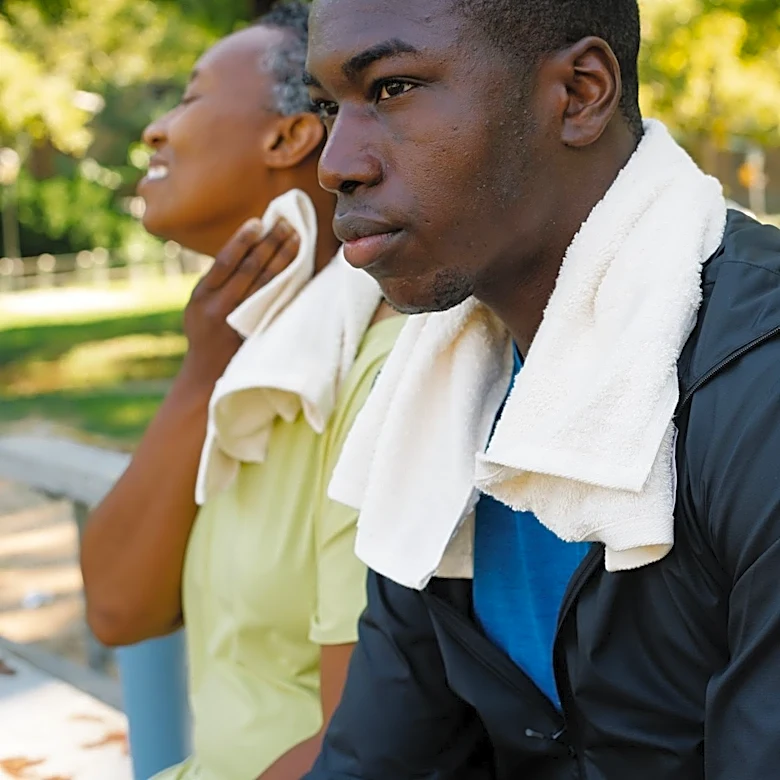
fluoride toothpaste, can significantly reduce health burdens like tooth decay. The concept of self-care is not limited to luxurious activities but includes essential practices such as adequate sleep, regular medical check-ups, and stress management. These practices are vital for maintaining both physical and mental well-being and should not be misconstrued as selfishness but rather as fundamental to overall health and productivity.
Why It's Important?
The emphasis on self-care highlights a shift towards preventive health measures that can alleviate the strain on healthcare systems. By promoting self-care, individuals can potentially reduce the need for medical interventions, thus conserving healthcare resources. This approach is particularly significant in the U.S., where healthcare costs are a major concern. Encouraging self-care can lead to healthier populations, reduced healthcare costs, and improved quality of life. It also empowers individuals to take charge of their health, fostering a culture of proactive health management.