




What's Happening?
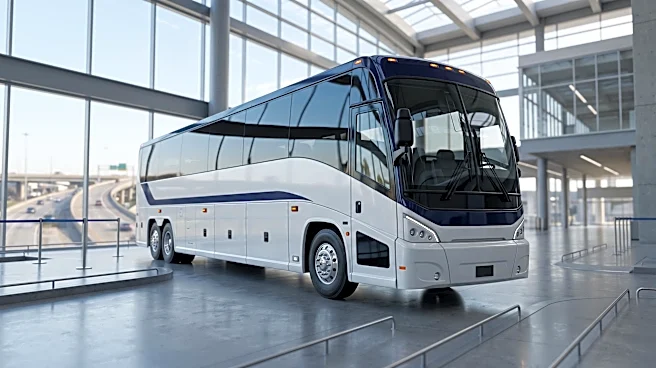
Flix North America, the parent company of Greyhound Lines, has reported a substantial 17% increase in bus bookings for Thanksgiving week compared to last year. This surge in demand for intercity bus travel is attributed to rising travel costs, with domestic
roundtrip flights being 17% more expensive this year and national gas prices reaching $3.61 per gallon five days before the holiday, a 52.3-cent increase from the previous year. While AAA projected a slight decrease in overall Thanksgiving travelers from 2025's record, the 'Other Modes' category, which includes buses, trains, and cruises, is the only segment showing growth. Specifically, bus bookings in the Midwest increased by 15% year-over-year, and in Texas, demand jumped by 21%.
Why It's Important?
This shift in travel patterns highlights the growing impact of economic factors on American consumers' holiday plans. As airfare and gas prices continue to climb, more travelers are seeking affordable alternatives, making intercity bus services like Greyhound a more attractive option. This trend could lead to increased investment and expansion in the bus travel sector, potentially creating more jobs and improving infrastructure for ground transportation. For the airline and automotive industries, this data suggests a need to re-evaluate pricing strategies and consumer incentives to retain market share during peak travel seasons. The affordability and reliability offered by bus travel are becoming critical decision-making factors for budget-conscious Americans, influencing how millions choose to connect with family and friends during holidays.
What's Next?
The sustained increase in bus travel demand, particularly during peak holiday seasons, suggests that Flix North America and other intercity bus operators may continue to invest in expanding their networks, improving fleet technology, and enhancing the onboard experience. This could include more routes, modernized buses with better amenities, and integrated digital services to streamline booking and travel. Conversely, the airline and automotive industries might face continued pressure to address rising costs, potentially leading to new pricing models, loyalty programs, or fuel-efficiency initiatives to attract travelers. The long-term implications could see a more diversified U.S. transportation landscape, with intercity bus travel playing a more prominent role in national mobility.
Beyond the Headlines
The observed shift towards more affordable travel options like bus services reflects broader economic pressures on American households. Beyond the immediate impact on travel industries, this trend could signify a more permanent change in consumer behavior, where value and cost-efficiency become paramount in discretionary spending. This could also prompt policy discussions around public transportation funding and infrastructure development, as increased demand for bus services may necessitate improvements in terminals, routes, and intermodal connections. The emphasis on affordability and reliability, as noted by Flix North America CEO Kai Boysan, underscores a fundamental need for accessible and economical travel solutions for a significant portion of the U.S. population, particularly during times of economic uncertainty.