



What's Happening?
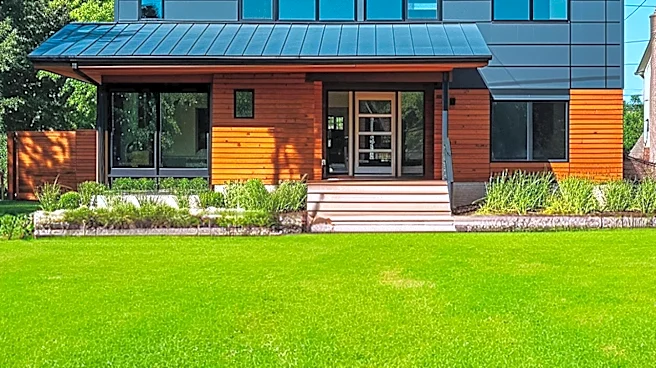
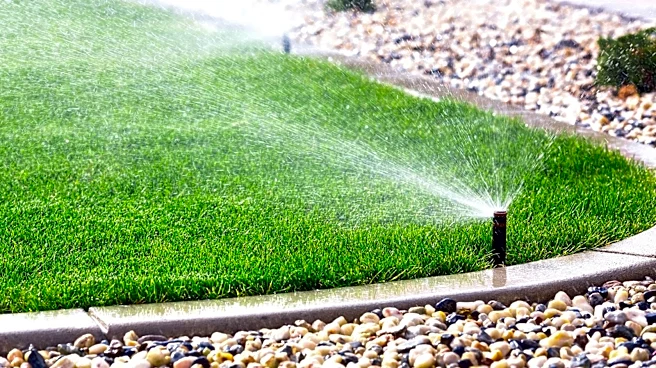
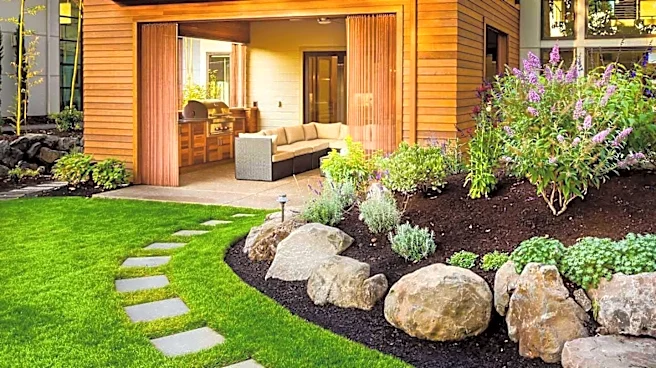
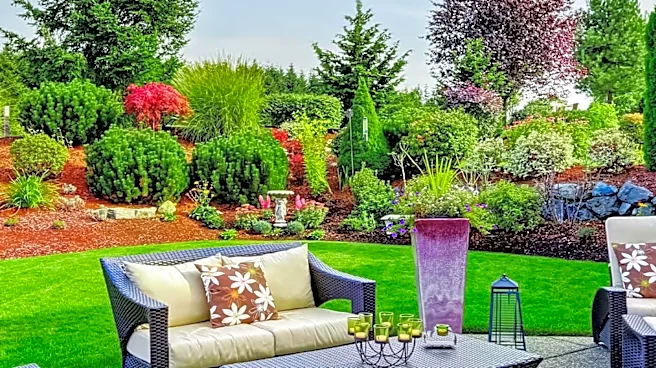
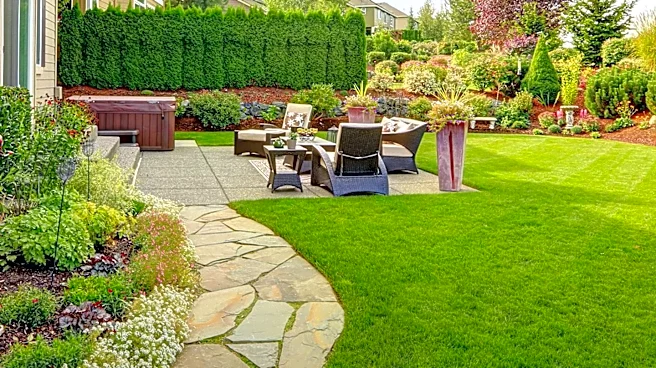
Homeowners are increasingly adopting water-efficient landscaping practices to conserve water and create sustainable outdoor spaces. This approach involves using drought-tolerant plants, efficient irrigation systems, and strategic design to reduce water consumption.
The guide emphasizes the importance of understanding the property's environmental conditions and selecting native plants that require minimal irrigation. By implementing these practices, homeowners can reduce outdoor water use by 30-60%, lower maintenance costs, and enhance the aesthetic appeal of their landscapes.
Why It's Important?
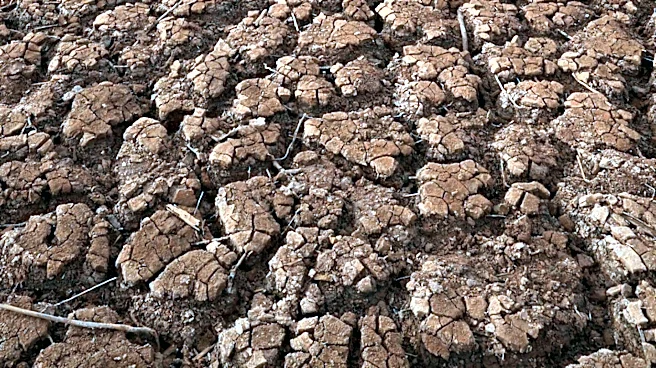
Water-efficient landscaping is crucial in the context of climate change and rising water costs. By reducing water usage, homeowners can contribute to environmental sustainability and mitigate the impact of droughts. This approach also offers economic benefits, such as lower water bills and increased property value. As water scarcity becomes a more pressing issue, these practices are likely to become standard in landscape design, influencing industry trends and public policy. The shift towards sustainable landscaping reflects a broader societal move towards environmental responsibility.
What's Next?
As awareness of water-efficient landscaping grows, more homeowners are expected to adopt these practices. This trend could lead to increased demand for drought-tolerant plants and efficient irrigation systems, driving innovation in the landscaping industry. Additionally, local governments may introduce incentives or regulations to encourage sustainable landscaping. Homeowners who implement these practices will need to maintain their landscapes to ensure long-term success, potentially leading to the development of new maintenance techniques and tools.