



What's Happening?
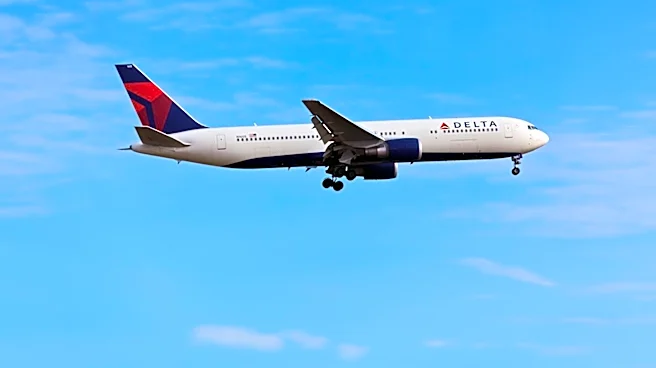
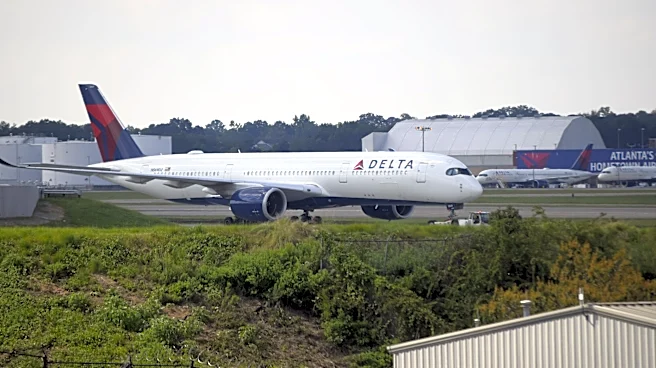
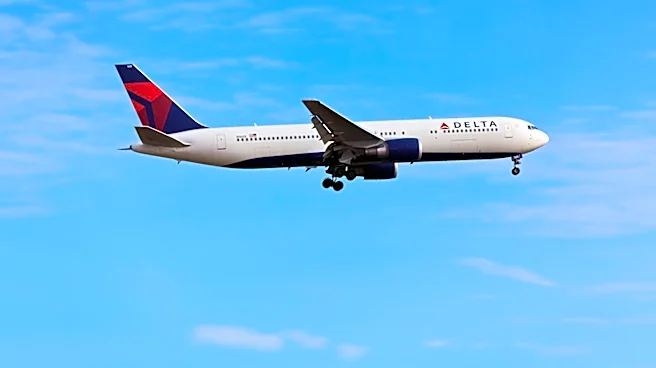
Delta Air Lines faced a significant operational disruption on Sunday, November 22, when its automated weight-and-balance system malfunctioned. This critical system is responsible for calculating the safe distribution of passengers, baggage, and cargo
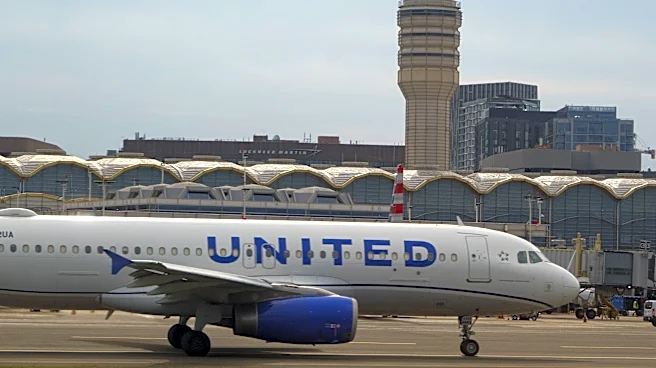
on aircraft. The outage led to the delay of over 1,600 flights nationwide, with the most severe impact concentrated at Delta's largest hub, Hartsfield-Jackson Atlanta International Airport. The Federal Aviation Administration (FAA) temporarily restricted departures from Atlanta as Delta worked to resolve the issue. While the airline utilized manual calculations to keep some aircraft moving, approximately 58% of Delta flights experienced delays by Sunday evening, with about 70% of these attributed to the technology problem. Delta confirmed that the automated system was restored, and the issue was not a cyberattack, but passengers continued to face schedule disruptions. This incident occurred during one of the busiest travel periods in the U.S., just days before Thanksgiving, and followed a similar technology-related disruption at United Airlines earlier in November.
Why It's Important?
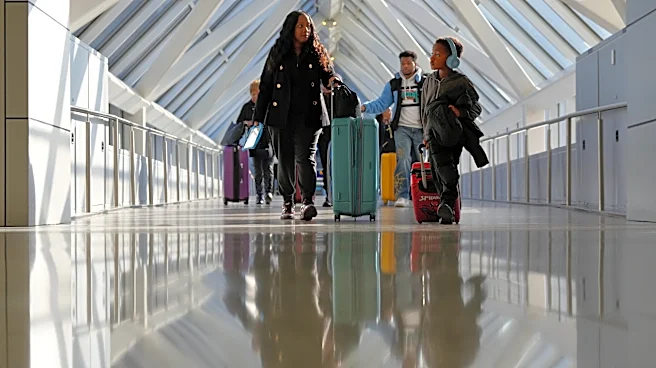
This widespread system outage at Delta Air Lines carries significant implications for both the airline industry and the traveling public, particularly given its timing just before the Thanksgiving holiday. For Delta, the immediate financial risks include increased operational recovery costs, such as additional staffing, passenger accommodations, and rebooking expenses. While a single-day disruption may not drastically alter Delta's long-term earnings outlook, repeated technology failures could lead to escalating costs and a decline in customer confidence. The incident highlights the critical reliance of modern air travel on complex automated systems and the cascading effects when these systems fail. For passengers, the disruption meant significant travel delays and uncertainty during a peak travel period, underscoring the vulnerability of holiday travel plans to unforeseen technical glitches. The event also raises broader questions about the resilience and redundancy of operational systems across the airline industry, especially following a similar incident with United Airlines.
What's Next?
Delta Air Lines will focus on clearing the backlog of delayed and canceled flights and managing the ongoing ripple effects of the system outage as the busy Thanksgiving travel period continues. The airline will likely face scrutiny regarding the robustness of its operational systems and its contingency plans for such failures. Passengers are advised to monitor their flight status closely and allow extra time for travel, as residual delays could persist. The incident may prompt a review of technology infrastructure and emergency protocols within Delta and potentially across the broader airline industry to prevent similar disruptions. Investors will be observing how quickly Delta can stabilize its operations and whether this event exposes any deeper systemic weaknesses that could impact future performance and customer loyalty. The focus will be on ensuring smooth operations through the holiday season and addressing any lingering passenger frustrations.
Beyond the Headlines
The Delta Air Lines system outage underscores a growing concern about the fragility of critical infrastructure in an increasingly digital world. The reliance on complex automated systems, while enhancing efficiency, also introduces points of failure that can have widespread societal and economic consequences. This incident, coupled with a recent United Airlines outage and a nationwide ground stop, suggests a potential systemic vulnerability within the U.S. air travel sector. Beyond the immediate inconvenience to travelers and financial impact on airlines, these events highlight the need for robust cybersecurity measures, comprehensive backup systems, and rigorous testing of operational software. The long-term implication could be a push for greater investment in resilient technology infrastructure across industries, as well as a re-evaluation of the balance between automation and human oversight in critical operations to mitigate the risks of single points of failure.