





What's Happening?
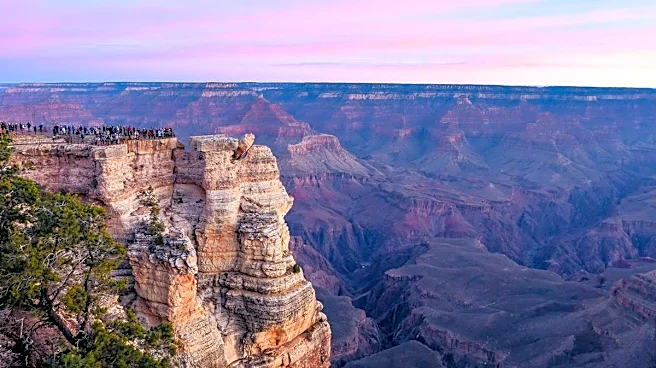
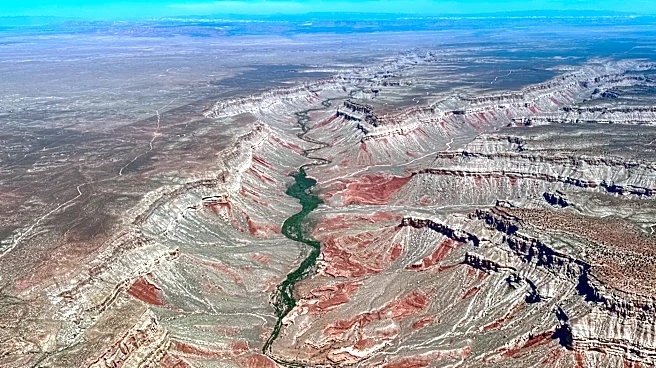
The United States offers a wide array of family vacation destinations, spanning nearly 3.8 million square miles of ecological and cultural diversity. Key locations highlighted for family travel include the Grand Canyon, Yellowstone National Park, and Washington
D.C. The Grand Canyon's South Rim features 13 miles of paved asphalt, while Yellowstone boasts over 15 miles of elevated flat wooden boardwalks, making both accessible for strollers. Washington D.C. is particularly recommended for toddlers aged 1 to 4, due to its completely flat and paved National Mall, 19 free Smithsonian museums with air-conditioned nursing rooms, and a gentle National Zoo. Other notable U.S. destinations mentioned include Yosemite National Park, Walt Disney World, San Diego Zoo, Acadia National Park, and the Hawaiian Islands of Maui and Oahu. The article emphasizes strategic itinerary planning for families with young children, focusing on accessibility and child-friendly amenities.
Why It's Important?
The emphasis on accessible and child-friendly destinations within the U.S. highlights a growing trend in family tourism, catering to the specific needs of parents with young children. This focus on 'strategic itinerary engineering' and 'paved boardwalk networks' in national parks, alongside free museums in cities like Washington D.C., makes these iconic locations more approachable for families. This is crucial for the tourism industry, as it broadens the demographic reach of these attractions, potentially increasing visitor numbers and revenue. For parents, this information is invaluable, as it helps them plan trips that are both enjoyable and manageable, reducing stress and enhancing the overall family experience. The promotion of free museums also underscores the value of educational and cultural experiences being accessible to all income levels, fostering a more inclusive approach to national tourism.
What's Next?
Given the increasing demand for family-friendly travel, it is likely that more U.S. national parks and urban centers will continue to invest in infrastructure that enhances accessibility for families with young children, such as improved paved paths and family-specific amenities. Tourism boards and travel companies may further develop specialized itineraries and guides tailored to different age groups and logistical needs. There could also be a rise in services that cater to family travel, such as specialized transportation options or accommodations with child-friendly features. The success of destinations like Washington D.C. in attracting families with toddlers may encourage other cities to emulate their model, focusing on free, educational, and accessible attractions. This trend could lead to a more competitive and diverse family tourism market across the U.S.
Beyond the Headlines
The focus on family-friendly travel, particularly in national parks and cultural centers, reflects a broader societal value placed on shared experiences and educational opportunities for children. By making these destinations accessible, there's an implicit encouragement for families to engage with nature and history from a young age, potentially fostering a deeper appreciation for the U.S.'s natural and cultural heritage. This also touches upon the evolving definition of 'adventure' to include experiences that are inclusive of all family members, regardless of age or mobility. The practical advice on managing multi-state journeys with young children speaks to the challenges modern families face in balancing travel aspirations with logistical realities, highlighting the importance of thoughtful planning and resource utilization in creating lasting memories.