




What's Happening?
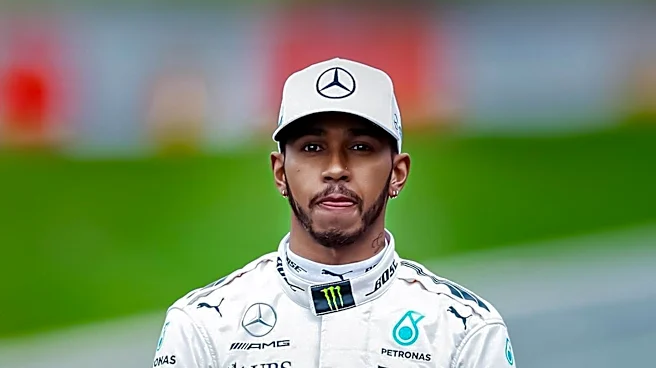
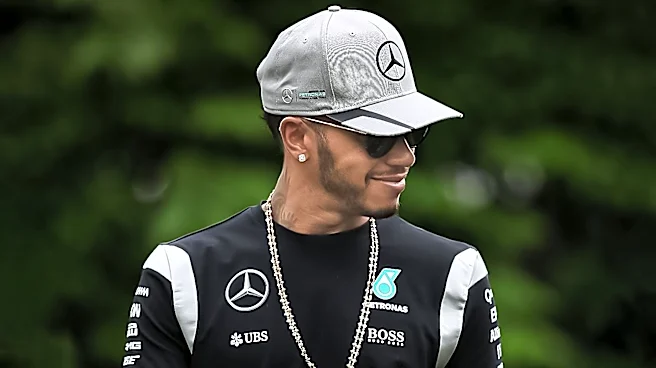
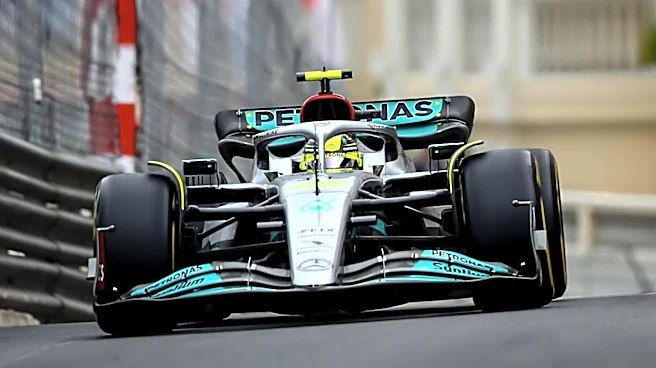
Mercedes team principal Toto Wolff has acknowledged that he could have handled the 2016 Formula 1 title-deciding race between his then-drivers, Lewis Hamilton and Nico Rosberg, more effectively. During the race, Hamilton, needing to win with Rosberg finishing
no higher than third to secure the championship, deliberately slowed down after taking the lead. His intention was to allow other drivers to catch up and potentially overtake Rosberg. Despite repeated instructions from Mercedes to speed up, Hamilton maintained his pace. Ultimately, Hamilton won the race, but Rosberg finished close enough to clinch the championship. Rosberg, who had signed a new two-year contract earlier that year, retired from Formula 1 shortly after winning his title. Wolff expressed that with his current experience, he would have managed the situation differently to potentially avoid some of the controversy.
Why It's Important?
This admission from Toto Wolff sheds light on the intense pressures and complex dynamics within a top-tier Formula 1 team, especially when two drivers are competing for a world championship. The 2016 incident highlighted the conflict between individual driver ambition and team objectives, as Mercedes sought to ensure a race victory while Hamilton pursued a strategic maneuver to secure the title. Wolff's reflection underscores the learning curve even for experienced team principals in managing high-stakes situations and driver rivalries. It also provides insight into the internal workings of Mercedes during a period of dominant performance, revealing the challenges of maintaining a level playing field and transparent communication between drivers. The controversy surrounding the 2016 race has been a significant talking point in F1 history, and Wolff's comments offer a retrospective understanding of the team's perspective.
What's Next?
While the 2016 season is long past, Wolff's comments serve as a valuable lesson for current and future team management in Formula 1. His acknowledgment of past missteps suggests a continued commitment to fostering balanced and transparent relationships with drivers, a philosophy he claims to have upheld since his early days in the sport. This approach is crucial for maintaining team harmony and maximizing performance, especially as rivalries inevitably emerge. For Mercedes, this reflection reinforces their operational principles and commitment to learning from historical events. It also provides context for how they might handle similar competitive scenarios between their drivers in the future, aiming to avoid micromanagement and ensure fairness while pursuing championship success.
Beyond the Headlines
Wolff's candid admission delves into the psychological and ethical dimensions of team leadership in elite sports. His reference to Alain Prost's insights about team politics and driver favoritism highlights a perennial challenge in motorsport: balancing individual aspirations with collective goals. The incident with Hamilton and Rosberg underscores how perceived fairness and transparency are critical for driver morale and long-term team stability. Wolff's desire to avoid micromanagement in such situations reflects a deeper understanding of driver psychology and the need to empower athletes while guiding them. This retrospective analysis contributes to the broader narrative of Formula 1 history, offering a human element to the high-tech, high-speed world of racing and emphasizing the importance of leadership in navigating complex interpersonal dynamics within a competitive environment.