



What's Happening?
Betina Gozo, a Certified Personal Trainer and Nike Master Trainer, has offered extensive advice on exercise during and after pregnancy. Her guidance emphasizes the benefits of maintaining physical activity throughout pregnancy, including supporting healthy
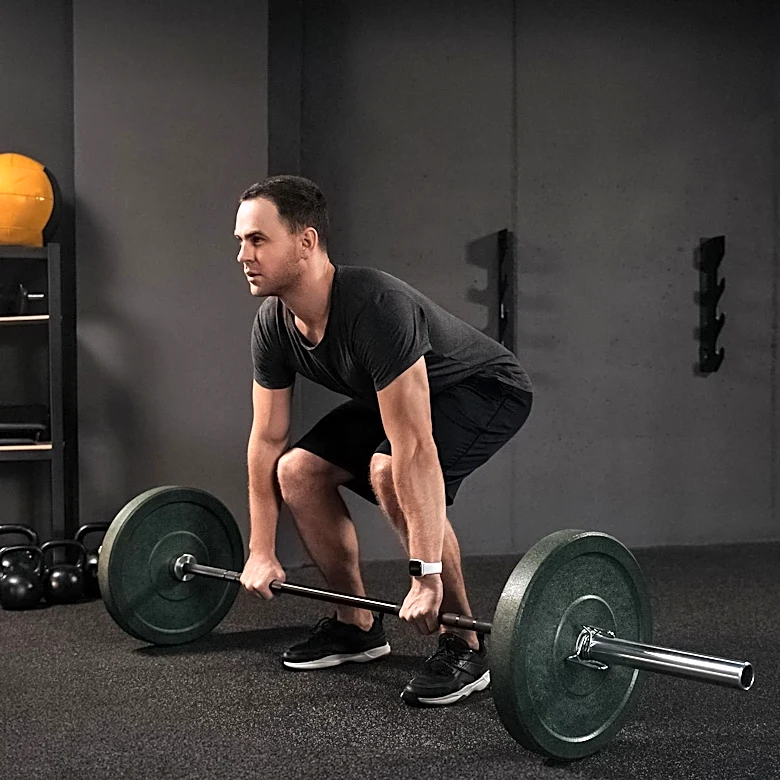
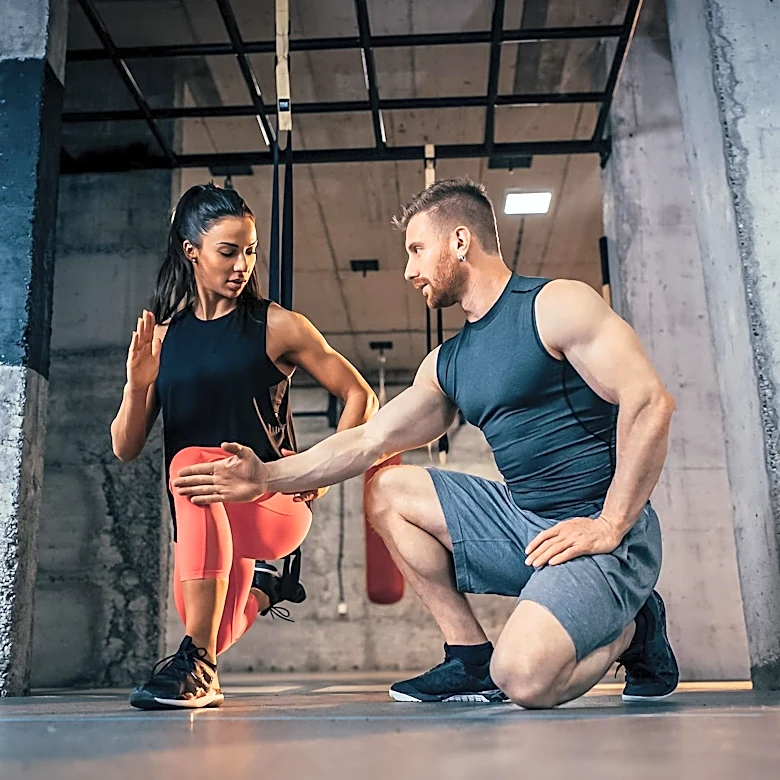
weight gain, reducing the risk of gestational diabetes, improving mood, and preparing the body for labor and delivery. Gozo debunks common myths, such as the 10-pound lifting limit or the 140 bpm heart rate ceiling, advocating for individualized exercise plans based on a woman's fitness level and the specific stage of her pregnancy. She highlights foundational movements like squats, deadlifts, rows, presses, carries, and lunges as beneficial throughout pregnancy, adaptable as the body changes. For postpartum recovery, Gozo stresses a gradual return to exercise, prioritizing healing and rebuilding foundational strength before attempting higher-impact activities. She advises focusing on core and pelvic floor reconnection, and listening to the body's signals, especially concerning fatigue and sleep deprivation.
Why It's Important?
This expert guidance is crucial for promoting safe and effective exercise practices among pregnant and postpartum individuals in the U.S. By dispelling common misconceptions and advocating for personalized approaches, Gozo's advice can empower women to maintain their physical and mental well-being during a transformative period. The emphasis on foundational movements and gradual progression helps prevent injuries and supports long-term health, which is vital for new mothers who often face significant physical demands. This information can influence healthcare providers, fitness professionals, and expectant mothers to adopt more informed and supportive exercise routines, potentially leading to better maternal health outcomes and reduced postpartum complications. The focus on listening to one's body and prioritizing recovery over rapid weight loss also addresses broader societal pressures on women regarding their post-baby bodies, fostering a healthier and more realistic approach to fitness.
What's Next?
Expectant and new mothers can utilize Gozo's recommendations to tailor their exercise routines, consulting with their healthcare providers to ensure safety and appropriateness. Fitness professionals may integrate these insights into their prenatal and postnatal training programs, offering more specialized and evidence-based support. The availability of structured programs and follow-along workouts through platforms like BetinaGozo.tv suggests a continued trend towards accessible, expert-led fitness resources for this demographic. Further research and public health initiatives could build upon these guidelines to develop more comprehensive national recommendations for maternal exercise. Additionally, increased awareness of the importance of pelvic floor rehabilitation and individualized recovery plans could lead to greater utilization of specialized physical therapy services for postpartum women.
Beyond the Headlines
The detailed advice provided by Betina Gozo extends beyond mere exercise routines, touching upon the broader cultural and psychological aspects of pregnancy and postpartum fitness. Her emphasis on 'earning your way back' and prioritizing healing over immediate return to pre-pregnancy fitness levels challenges the often unrealistic expectations placed on new mothers. This perspective can contribute to a more compassionate and sustainable approach to women's health, recognizing the profound physical and emotional changes associated with childbirth. The discussion of how breastfeeding affects nutritional and hydration needs further underscores the holistic nature of maternal well-being. By promoting a mindset of nourishment and self-care rather than calorie restriction, Gozo's guidance can help combat negative body image issues and foster a healthier relationship with exercise and food during this critical life stage.