




What's Happening?
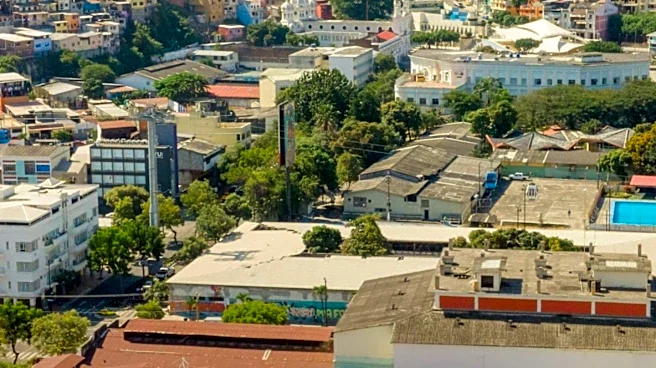
Guayaquil commemorated World Tourism Day with a 'Ruta Centro' event on Calle Panamá, featuring a variety of cultural and tourist activities. Visitors participated in guided tours, photographic exhibitions, and artistic presentations designed to highlight
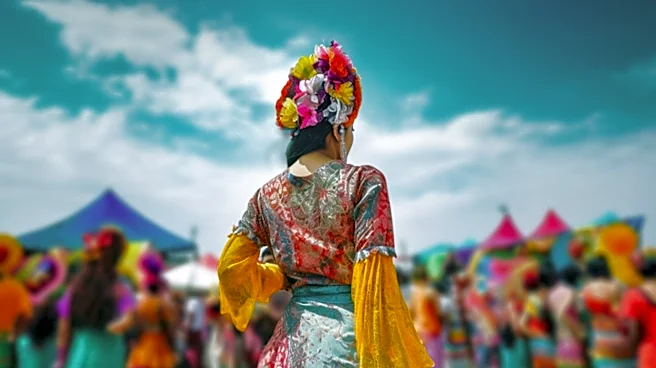
the city's historical spaces and stories. A key part of the event was the 'Guayaquil Fototurístico' initiative, which showcased 22 photographs in the National Cacao Museum. This initiative began with a workshop and a tour from Calle Panamá to Santa Ana hill, involving over 50 participants and members of the InstaGuayaquil community. The goal was to capture different city scenes through observation and photography, with Alicia Navarrete winning first place for her photograph of firefighters. The day also included a guided tour detailing the history of cacao along Calle Panamá, concluding at the National Cacao Museum with a discussion on 'Flora Huayaquilensis,' an historical work about the region's botanical heritage. The Municipal Band performed tropical and popular rhythms, and the group Reminiscencias presented folk dances, adding to the vibrant atmosphere.
Why It's Important?
This event is important as it underscores Guayaquil's commitment to promoting its cultural heritage and boosting local tourism. By integrating photography, historical narratives, and artistic performances, the city aims to attract both residents and visitors, fostering a deeper appreciation for its unique identity. The focus on Calle Panamá, a sector combining commercial establishments, cultural spaces, and historical patrimony, highlights the potential for urban areas to serve as dynamic tourist destinations. Such initiatives can stimulate local economies by increasing foot traffic to businesses and cultural institutions. Furthermore, the inclusion of historical elements like the cacao industry and botanical heritage helps preserve and transmit knowledge about the region's past, enriching the cultural landscape. The participation of local artists and community groups also strengthens social cohesion and provides platforms for creative expression, contributing to the city's overall vibrancy and appeal.
What's Next?
The success of this World Tourism Day celebration suggests a potential for similar cultural and tourist initiatives in Guayaquil. The 'Ruta Centro' program and 'Guayaquil Fototurístico' initiative could be expanded or replicated in other historical or culturally significant areas of the city. Continued collaboration between the municipality, cultural organizations like InstaGuayaquil, and local artists is likely to foster more engaging events. The city may also explore further integration of its rich history, such as the cacao heritage, into ongoing tourism strategies, potentially developing more permanent exhibitions or interactive experiences. The positive reception from both participants and casual visitors indicates a strong public interest in such activities, which could lead to increased investment in cultural infrastructure and tourism promotion efforts. Future events might also focus on different aspects of Guayaquil's heritage, ensuring a diverse and evolving cultural calendar.
Beyond the Headlines
Beyond the immediate economic and cultural benefits, events like Guayaquil's World Tourism Day celebration contribute to a broader sense of community identity and pride. By encouraging residents to rediscover their city through photography and historical tours, it fosters a deeper connection to their surroundings and heritage. The emphasis on observing and documenting everyday scenes, as highlighted by the 'Guayaquil Fototurístico' initiative, encourages a mindful engagement with urban spaces that often go unnoticed. This can lead to a greater appreciation for the city's unique character and a collective effort towards its preservation. Ethically, such events promote inclusivity by offering accessible cultural experiences to a wide audience, including families and individuals from different parts of the city. Culturally, they reinforce the importance of traditional arts and historical narratives in a rapidly modernizing world, ensuring that the past remains a vibrant part of contemporary life. The long-term impact could be a more culturally aware and engaged citizenry, and a city that leverages its heritage as a cornerstone of its future development.