







What's Happening?
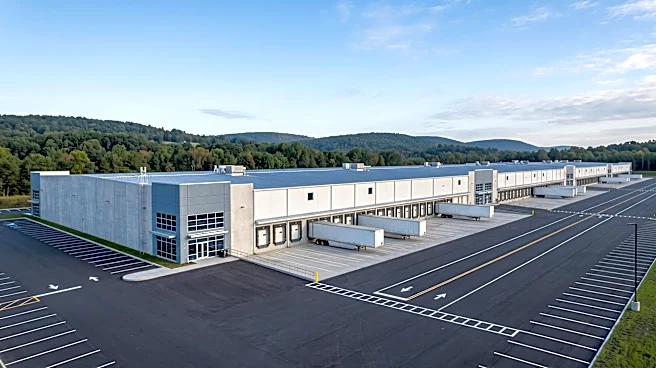
Knight-Swift Transportation, a major North American transportation and logistics company, is expanding its less-than-truckload (LTL) network into the Northeast U.S. The company plans to achieve this expansion primarily through leasing terminals in states
such as Pennsylvania and Virginia, with operations expected to commence in 2027. This move marks a strategic shift towards organic growth in its LTL segment, following a period of acquisitions that included Midwest Motor Express and the LTL assets of Dependable Highway Express. Knight-Swift's LTL operations, unified under the AAA Cooper brand since early 2026, currently manage 180 terminals. CEO Adam Miller indicated that further LTL growth would be deliberate and contingent on stable market conditions, sustained demand, and intact margins, avoiding mergers for future expansion in this segment. The company's LTL division has shown improved performance, with a 4.8% increase in weight per shipment and a 6.2% rise in length of haul in Q3, contributing to an improved operating ratio of 94.3.
Why It's Important?
This expansion is significant for the U.S. logistics and transportation industry as Knight-Swift Transportation, already one of the largest carriers, strengthens its presence in the crucial Northeast market. The LTL segment is vital for businesses requiring efficient, cost-effective shipping of smaller freight volumes. By expanding its network, Knight-Swift aims to capture a larger share of this market, potentially increasing competition and influencing pricing and service levels for other carriers. The focus on organic growth through leased terminals, rather than further acquisitions, suggests a more sustainable and controlled expansion strategy, which could lead to more stable long-term operations. Improved operating ratios and increased shipment metrics within its LTL division indicate enhanced efficiency and profitability, which could set a benchmark for industry performance and attract investor interest in the transportation sector. This development could also impact regional economies in Pennsylvania and Virginia by creating new job opportunities and improving freight movement infrastructure.
What's Next?
Knight-Swift Transportation plans to begin its initial foray into the Northeast in 2027, focusing on states adjacent to its existing terminal network. The company will continue to identify and lease terminals to facilitate this organic expansion. Future growth will be closely monitored against market stability, margin maintenance, and demand levels, as emphasized by CEO Adam Miller. The company's LTL operations, under the AAA Cooper brand, will likely continue to optimize their shipment mix and length of haul to further improve efficiency and profitability. Stakeholders, including competitors and customers, will be watching to see how this expansion impacts service availability, transit times, and pricing in the Northeast LTL market. The success of this organic growth strategy could influence other large carriers to adopt similar approaches in their expansion efforts.
Beyond the Headlines
The strategic decision by Knight-Swift Transportation to prioritize organic growth in its LTL network, particularly through leased terminals, highlights a broader industry trend towards optimizing existing assets and carefully managing capital expenditure in a dynamic economic environment. The LTL sector, characterized by its need for extensive terminal infrastructure, faces challenges in acquiring suitable land, especially near major metropolitan areas. By leasing, Knight-Swift can potentially mitigate some of the upfront capital costs and risks associated with new construction, allowing for more agile market entry and adaptation. This approach also reflects a maturation of the LTL market, where efficiency and network density are becoming paramount. The company's emphasis on a 'deliberate' expansion, tied to stable market conditions, suggests a cautious yet determined strategy to build a national LTL presence, potentially reshaping competitive dynamics and service offerings across the U.S. freight landscape.