


What's Happening?
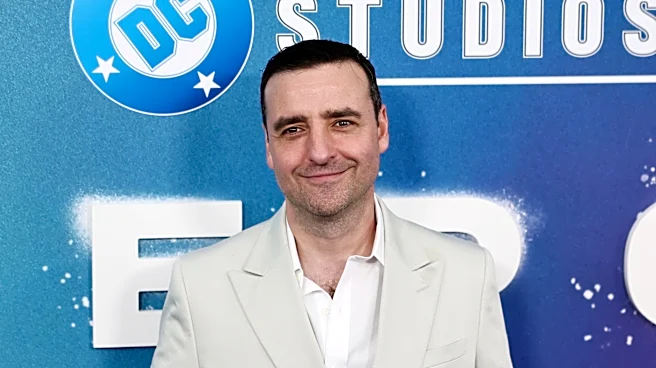
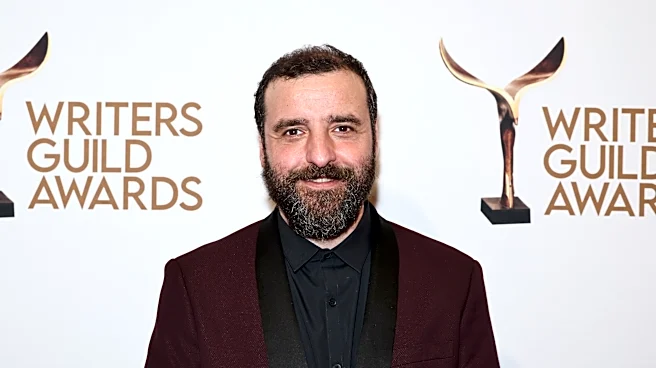
Actor David Krumholtz has clarified recent social media comments, stating he is not 'retiring' or 'quitting' his acting career, but rather putting it 'on hold.' Krumholtz, known for roles in 'Oppenheimer,' 'The Santa Clause' films, and 'Supergirl,' initially
posted on social media about taking an 'indefinite break' due to feeling 'frustrated, fed up [and] fried.' He later explained in an Instagram post that the decision stemmed from the 'weight of those dreams and ambitions has become surprisingly oppressive' due and the 'mountain of disappointments' inherent in a Hollywood career. He emphasized the importance of his mental health for his family and expressed gratitude for the support received. Krumholtz stated there is 'still more work to come' and that his issue is not with 'Hollywood as a whole,' but rather a personal need to heal and re-evaluate.
Why It's Important?
Krumholtz's public statement highlights the increasing recognition of mental health challenges within the entertainment industry, a sector often characterized by intense pressure, public scrutiny, and career instability. His decision to openly discuss feeling 'frustrated, fed up [and] fried' resonates with broader conversations about burnout and well-being in demanding professions. This transparency from a recognizable figure can help destigmatize mental health issues, encouraging others in similar high-pressure environments to prioritize their well-being. The 'mountain of disappointments' he references underscores the often-unseen struggles behind public success, offering a more realistic portrayal of a career in acting. This could influence how industry stakeholders, from studios to agents, approach talent management and support systems, potentially leading to more robust mental health resources for actors and crew members.
What's Next?
While Krumholtz has not specified a timeline for his return, his emphasis on mental health suggests a period of personal reflection and healing. His statement that 'there’s still more work to come' indicates an eventual return to acting, but likely on his own terms. This could lead to a more selective approach to roles, prioritizing projects that align with his well-being. The public and industry response to his candidness may encourage other actors to speak out about their own struggles, fostering a more supportive environment. It also prompts a broader discussion within Hollywood about sustainable career paths and the provision of mental health support, potentially influencing future industry practices and policies aimed at protecting the well-being of its workforce.
Beyond the Headlines
Krumholtz's experience touches upon the broader societal shift towards acknowledging and addressing mental health in professional settings. His narrative challenges the long-held perception of actors as perpetually resilient figures, revealing the personal cost of pursuing ambitious careers. This candidness contributes to a cultural dialogue that values mental well-being as much as professional achievement. It also subtly critiques the relentless pursuit of success in competitive industries, suggesting that a constant focus on 'triumphs' can lead to significant personal strain. His decision to step back for mental health reasons, rather than due to a lack of opportunities, underscores a growing trend where individuals are prioritizing personal health over career momentum, potentially inspiring a re-evaluation of work-life balance across various demanding fields.