






What's Happening?
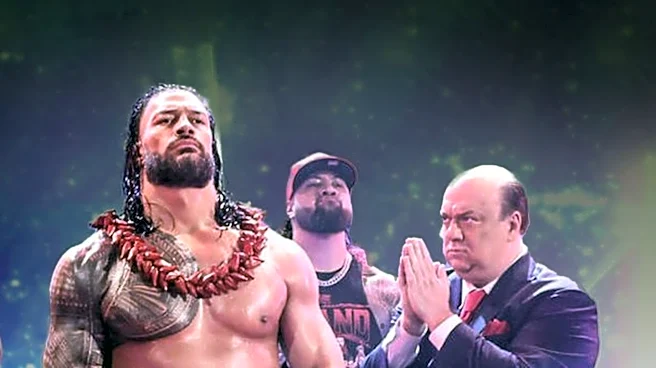
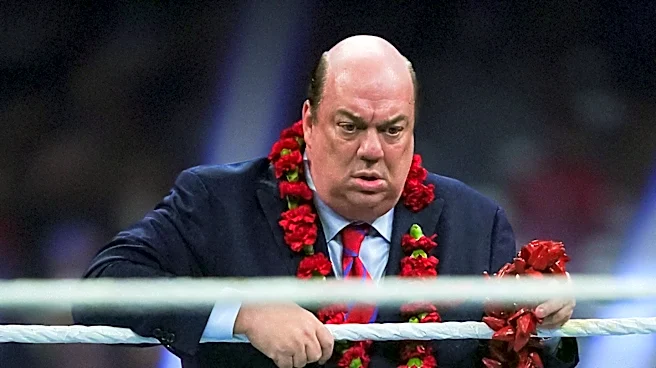
Paul Heyman, a renowned figure in professional wrestling, recently disclosed that he was on the verge of leaving the wrestling industry early in his career to pursue a radio career in New York. According to Heyman, he was days away from signing a contract,
negotiated by the William Morris Agency, to host a morning radio show that would have directly competed with Howard Stern. This career pivot was considered after Heyman was fired from WCW due to disagreements over contract pay cuts with then-executive Bill Watts. Heyman stated he was unwilling to accept a pay reduction and rebelled against the decision, leading to his departure. He was 28 years old at the time and felt disillusioned with the wrestling business, genuinely planning to exit the industry. Radio executives were reportedly interested in his unfiltered 'Paul E. Dangerously' persona as a direct competitor to Stern's dominant market presence.
Why It's Important?
This revelation from Paul Heyman offers a significant 'what if' moment in professional wrestling history, highlighting how close one of its most influential minds came to an entirely different career path. Had Heyman pursued radio, the landscape of wrestling, particularly the rise and impact of Extreme Championship Wrestling (ECW), might have been drastically different. Heyman became the creative force behind ECW, a promotion that profoundly influenced the style and direction of professional wrestling in the late 1990s and early 2000s. His unique vision and ability to connect with audiences were pivotal to ECW's success and its lasting legacy. His decision to remain in wrestling, spurred by a challenge from Jim Crockett Jr. to put his criticisms of the industry into action, ultimately shaped a significant era of the sport. This story underscores the often-unforeseen turns that can define careers and industries.
What's Next?
While this is a retrospective account, Heyman's story continues to add to his mystique and legendary status within professional wrestling. Such anecdotes often become part of the lore surrounding prominent figures, influencing how fans and industry insiders perceive their contributions. For Heyman, who remains a highly visible personality in WWE, these insights reinforce his reputation as a shrewd, unconventional, and impactful figure. The story may also spark further discussions among wrestling historians and fans about the alternative paths key figures could have taken and their potential ripple effects on the industry. It serves as a reminder of the pivotal moments that shape careers and the broader entertainment landscape, offering a deeper understanding of the personal and professional decisions that led to wrestling's modern era.
Beyond the Headlines
Heyman's near-transition to radio highlights the transferable skills of wrestling personalities, particularly their ability to captivate audiences and generate controversy, which are highly valued in other media forms. His 'Paul E. Dangerously' persona, characterized by its unfiltered and provocative nature, was seen as a direct counter to Howard Stern's style, indicating a demand for edgy, personality-driven content in radio during that era. This also touches upon the broader theme of talent retention and the challenges faced by entertainment companies in keeping creative minds engaged and satisfied. Heyman's initial disillusionment with WCW over financial disputes is a common thread in many industries, where talent often weighs passion against compensation and creative freedom. His eventual decision to stay in wrestling, driven by a challenge to innovate, speaks to the intrinsic motivation that often fuels groundbreaking work, ultimately leading to the creation of ECW, which revolutionized a segment of the wrestling world.