





What's Happening?
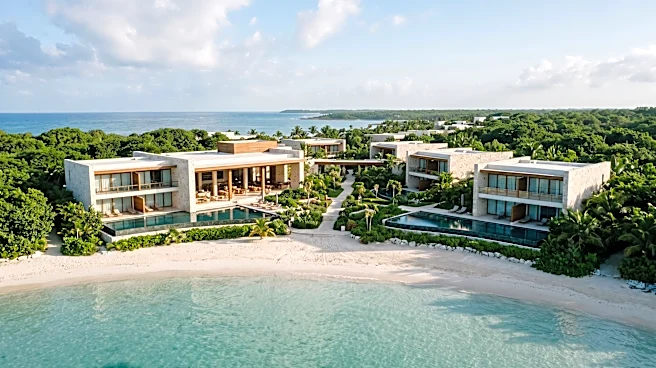
Acqualina Resort in Sunny Isles Beach, Miami, is offering a perfected staycation experience, emphasizing luxury and relaxation without the need for extensive travel. The resort, known for its Mediterranean-inspired, oceanfront setting, provides guests
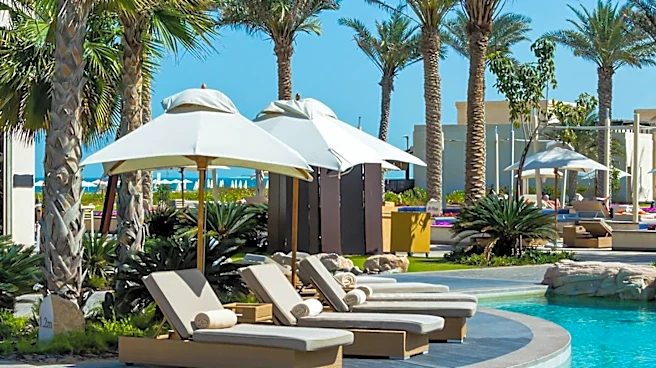
with oceanfront suites featuring private balconies, full kitchens, and marble bathrooms with oversized jetted tubs. Amenities include a 20,000-square-foot spa, four distinct dining experiences such as Ke-uH Japanese fusion restaurant and Il Mulino New York, and both family-friendly and adults-only pools. The Adult Pool offers a serene retreat with private cabanas, attentive service, and refreshing beverages. Dining options range from the exclusive alfresco Costa Grill, open only to hotel guests, residents, and Beach Club members, to the art-inspired Ke-uH, which offers tapas-style Japanese plates with global inflections and ocean views. The resort aims to provide a comprehensive and luxurious escape within the local area, catering to those seeking a high-end vacation alternative.
Why It's Important?
This focus on luxury staycations by resorts like Acqualina highlights a growing trend in the U.S. hospitality industry, particularly in response to evolving consumer preferences and economic considerations. For individuals and families, staycations offer a budget-friendly and convenient alternative to traditional vacations, reducing travel costs and planning complexities. For the hospitality sector, promoting staycations allows resorts to tap into local and regional markets, maintaining occupancy rates and revenue streams even during periods of reduced long-distance travel. This strategy can also bolster local economies by encouraging spending within the community on dining, entertainment, and services. The emphasis on high-end amenities and exclusive experiences, as seen at Acqualina, suggests a segmentation within the staycation market, catering to consumers who desire luxury and convenience without the logistical challenges of international or far-flung domestic travel. This trend could lead to increased investment in local resort infrastructure and tailored offerings to attract this specific demographic.
What's Next?
The success of luxury staycation offerings like Acqualina's may encourage other high-end resorts across the U.S. to further develop and market similar packages. This could lead to a broader trend of resorts enhancing their local appeal through exclusive amenities, unique dining experiences, and personalized services designed to attract a staycation clientele. We might see increased competition among resorts to differentiate their local offerings, potentially leading to more innovative and value-added packages for domestic travelers. Additionally, as consumer habits continue to shift, there could be a sustained demand for convenient, high-quality local getaways, prompting long-term strategic adjustments within the hospitality industry. This could also influence local tourism boards to promote their regions as prime staycation destinations, emphasizing the unique attractions and luxurious accommodations available within a short travel distance for residents.
Beyond the Headlines
The rise of the luxury staycation reflects a deeper cultural shift towards valuing convenience, local experiences, and sustainable travel. In an era where environmental concerns and the desire for reduced travel-related stress are increasingly prominent, staycations offer an appealing solution. This trend also speaks to a re-evaluation of leisure time, where quality and accessibility are prioritized over exotic destinations. For the U.S., this could foster a stronger sense of local pride and community engagement, as residents explore and appreciate the high-quality leisure options available in their own backyards. Furthermore, it might influence urban planning and development, with a greater emphasis on creating attractive local amenities and recreational spaces that cater to this demand for localized luxury and relaxation. The 'perfected staycation' could become a benchmark for how urban and suburban areas integrate leisure and lifestyle, blurring the lines between daily life and vacation.