

What's Happening?
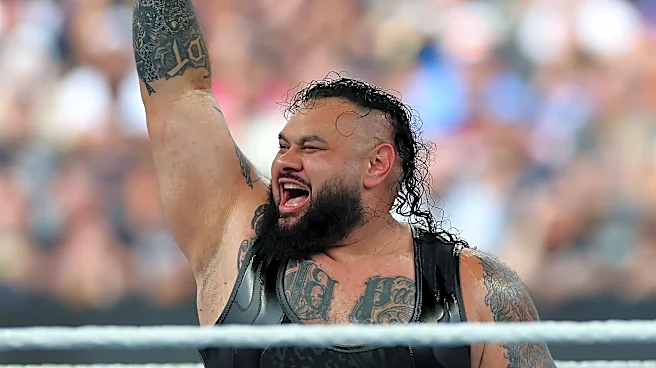
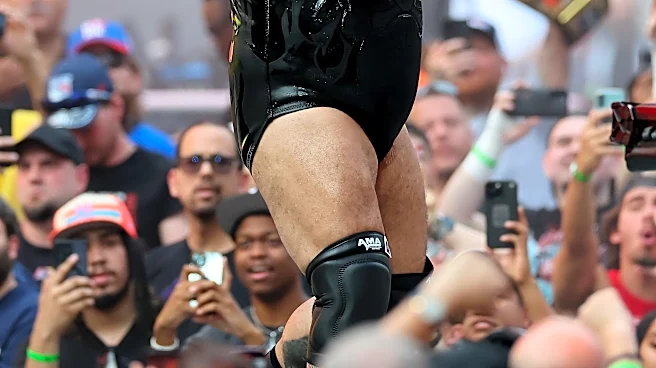
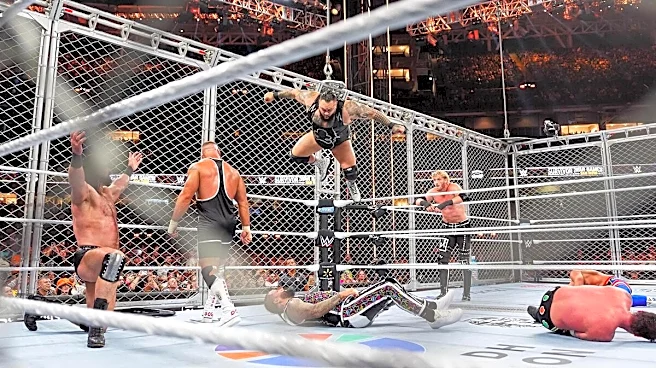
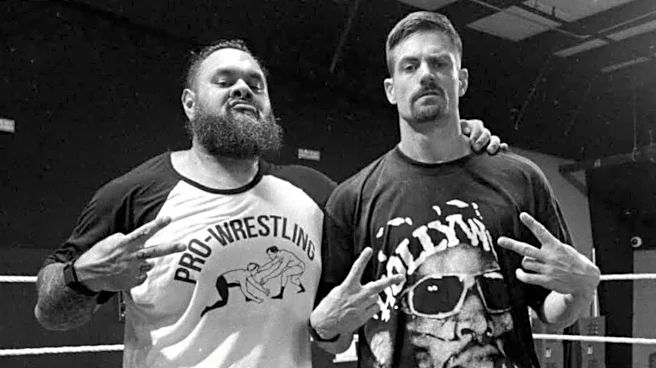
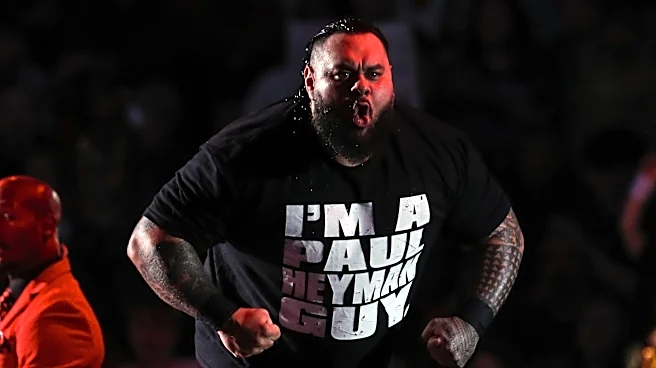
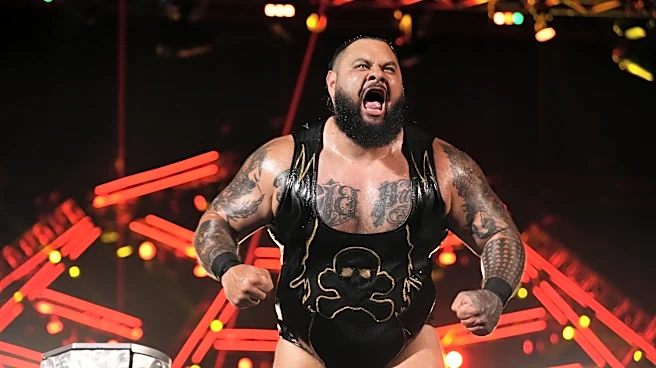
WWE wrestler Bronson Reed, whose real name was Jermaine Haley, passed away on Friday at the age of 38 due to what the company described as 'medical complications.' His death occurred nearly three weeks after he reportedly sustained multiple broken ribs
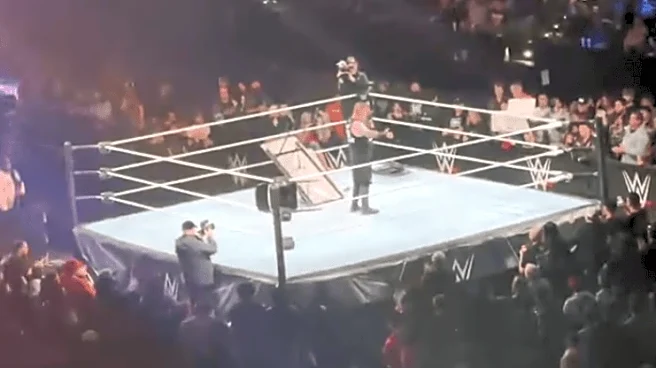
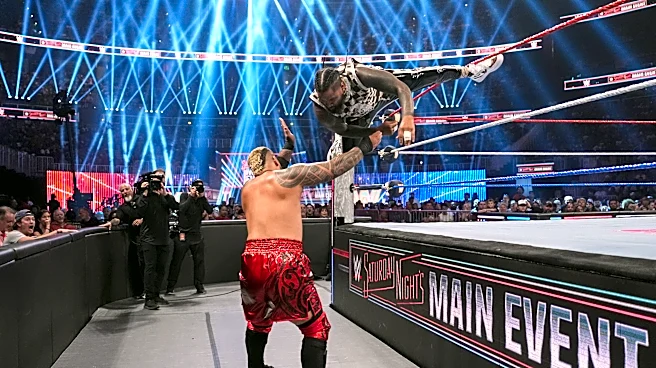
and a lacerated kidney during a WWE event in Saudi Arabia. WWE has not yet disclosed the specific nature of these medical complications or confirmed any direct connection between his death and the injuries he suffered earlier in the month. Reed is survived by his pregnant wife, Paige, and their daughter. The professional wrestling community, including current and former wrestlers from WWE and rival promotions like All Elite Wrestling (AEW), has expressed widespread grief and offered condolences. WWE honored Reed with a traditional 10-bell salute before its Friday night event in Athens, Georgia, where wrestler Kevin Owens spoke to the audience about Reed's dedication to his family.
Why It's Important?
The sudden death of Bronson Reed is a significant loss for the professional wrestling community, highlighting the physical demands and inherent risks associated with the sport. His passing has elicited a strong emotional response from colleagues and fans, underscoring the close-knit nature of the wrestling industry. The lack of specific details regarding the 'medical complications' and their potential link to his in-ring injuries may raise questions about wrestler safety and post-injury care within professional wrestling organizations. Reed was a notable figure, having captured the NXT North American Championship and the André the Giant Memorial Battle Royal, making his contributions to the sport impactful. His passing serves as a somber reminder of the fragility of life, even for athletes in peak physical condition, and the personal sacrifices made by those in the entertainment industry.
What's Next?
In the immediate future, the professional wrestling community will likely continue to mourn Bronson Reed's passing, with further tributes and remembrances expected from various promotions and individual wrestlers. WWE may provide additional details regarding the circumstances of his death, especially if there is a direct link to his recent in-ring injuries, which could lead to internal reviews of safety protocols. The focus will also be on supporting Reed's family, particularly his pregnant wife and daughter, during this difficult time. Fans and colleagues will continue to share memories and celebrate his career, ensuring his legacy within the sport endures. The broader conversation around wrestler health and safety, particularly concerning injuries sustained during events, may also gain renewed attention.
Beyond the Headlines
Bronson Reed's death extends beyond a singular tragic event, touching upon broader themes within professional wrestling. It brings to the forefront the ongoing discussion about the long-term health and safety of athletes in a high-impact sport where injuries are common. The incident could prompt a deeper examination of how wrestling promotions manage and disclose wrestler health information, especially when injuries are sustained during televised events. Furthermore, it highlights the unique bond among professional wrestlers, who often view each other as family, transcending company rivalries. The outpouring of grief from both WWE and AEW talent underscores a shared humanity and respect within a competitive industry. This event may also reignite conversations about post-career support and healthcare for wrestlers, an issue that has historically been a point of contention within the industry.