


What's Happening?
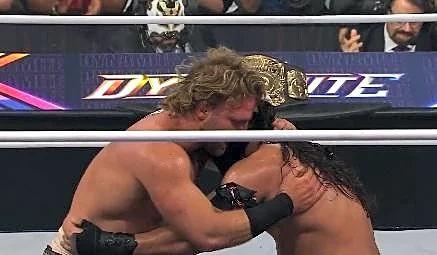
Kenny Omega, a prominent wrestler in All Elite Wrestling (AEW), has declared that if he wins the IWGP World Heavyweight Championship from Yota Tsuji at Wrestle Kingdom 21, his commitments to New Japan Pro-Wrestling (NJPW) will take precedence over his AEW schedule.
Omega made these remarks in an interview with NJPW's official site, emphasizing that he would prioritize NJPW matches and face any legitimate challenger. He described his current contractual relationship with AEW as a 50-50 split, indicating a shift from a potentially one-sided perception. Omega cited Konosuke Takeshita's previous championship reign, during which Japanese fans expressed concerns about his priorities due to his dual commitments with NJPW and AEW, as a learning experience. This commitment aims to reassure NJPW fans of his dedication should he capture their top title. Omega also expressed his view that Tsuji has not fully grasped the global significance of being a champion in NJPW, suggesting that a more internationally recognized champion is needed.
Why It's Important?
This declaration by Kenny Omega carries significant implications for the landscape of professional wrestling, particularly concerning the working relationship between AEW and NJPW. By publicly stating his intention to prioritize NJPW if he becomes IWGP Champion, Omega is attempting to address fan concerns about wrestlers splitting time between promotions, a sentiment previously observed during Konosuke Takeshita's tenure. This could strengthen the perception of the IWGP Championship as a premier title that demands full dedication, potentially elevating its prestige globally. For AEW, it means one of its top stars might have a reduced presence if he holds NJPW's top prize, impacting AEW's main event scene and storyline continuity. Conversely, it could also foster a more balanced and respectful partnership between the two companies, as Omega's commitment signals a genuine investment in NJPW's product. This move could influence how other wrestlers manage their cross-promotional appearances and title reigns, setting a precedent for prioritizing the championship of the promotion where the title is held.
What's Next?
The immediate next step is Kenny Omega's IWGP World Heavyweight Championship match against Yota Tsuji at Wrestle Kingdom 21. The outcome of this match will directly determine whether Omega's pledge to prioritize NJPW comes into effect. If Omega wins, fans can expect a significant shift in his wrestling schedule, with NJPW dates likely taking precedence over some AEW appearances. This could lead to new storylines and challengers emerging in NJPW, as Omega has committed to facing any legitimate contender. For AEW, this might necessitate adjustments to their booking plans, potentially elevating other stars in Omega's absence or creating new opportunities for talent. The reaction from both NJPW and AEW fan bases will be crucial; NJPW fans will likely appreciate the dedication, while AEW fans might express disappointment over reduced appearances. The dynamic between the two promotions could also evolve, with NJPW potentially gaining more leverage in future collaborative efforts if one of AEW's top stars is fully committed to their championship.
Beyond the Headlines
Omega's statement delves into the complex dynamics of modern professional wrestling, where talent often works across multiple promotions. His commitment to prioritize NJPW if he wins the IWGP title highlights a broader discussion about championship integrity and wrestler loyalty in an increasingly interconnected wrestling world. This move could set a new standard for how wrestlers manage their careers when holding top titles in different companies, potentially influencing contractual agreements and cross-promotional booking strategies. It also touches upon the cultural differences in fan expectations between Japanese and American wrestling, where dedication to a single promotion's top championship often holds significant weight in Japan. The ethical dimension involves balancing personal career aspirations with the responsibilities that come with holding a prestigious championship. This could lead to a re-evaluation of how promotions co-exist and share talent, potentially fostering more structured agreements that ensure the prestige of each company's championships is maintained, rather than diluted by divided loyalties.