





What's Happening?
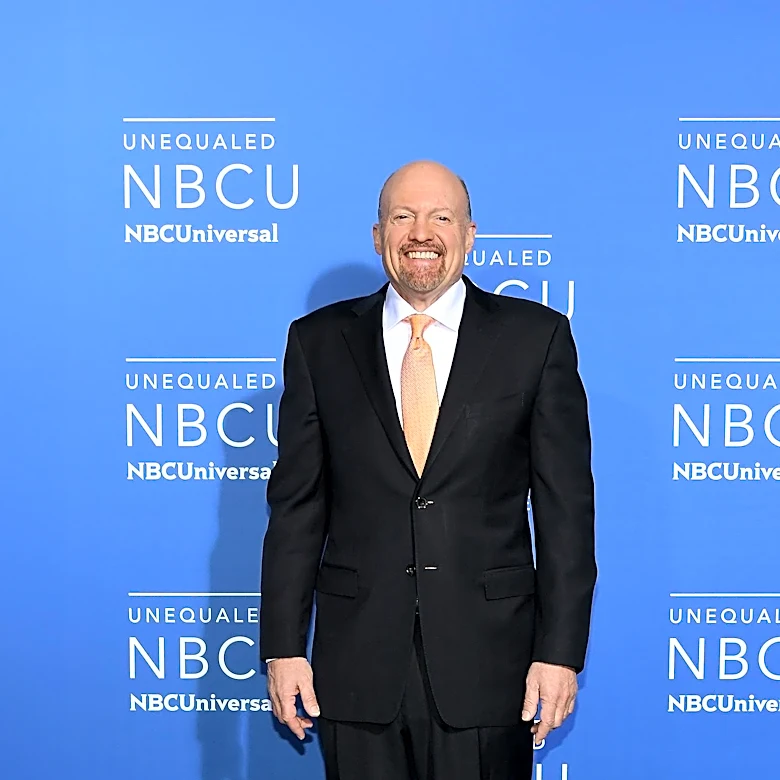
Starbucks CEO Brian Niccol has articulated the company's growth strategy, stating that the 'Back to Starbucks' initiative, initially a turnaround plan, is now its growth plan. This announcement comes as Starbucks reported a 7.2% rise in global comparable
coffeehouse sales in the fiscal fourth quarter, which concluded on September 27. The company projects non-GAAP earnings per share to be between $3.15 and $3.25 in fiscal 2027, an increase from $2.72 in fiscal 2026. Despite these positive sales figures, Starbucks' dividend payout ratio was 76% of its fiscal 2026 free cash flow, and it had a payout of 113.5% in fiscal 2025. The company recently raised its quarterly dividend by one cent to $0.63 per share, marking its 16th consecutive annual increase, though the dividend growth rate has been slower at 1.7% annually from fiscal 2021 to fiscal 2026. Management has prioritized investing in the business and maintaining an investment-grade balance sheet above dividend growth.
Why It's Important?
Starbucks' strategic direction under CEO Brian Niccol is significant for investors and the broader U.S. business landscape, particularly within the competitive food and beverage sector. The company's shift from a turnaround to a growth plan indicates confidence in its operational improvements and market position. However, the high dividend payout ratio, especially the 113.5% in fiscal 2025, raises questions about the sustainability of its dividend policy relative to its free cash flow. While the company plans $1 billion in buybacks for fiscal 2027, which typically signals financial health, the prioritization of business investment and balance sheet strength over dividend growth suggests a cautious approach to capital allocation. This could impact dividend-focused investors who rely on consistent and robust dividend increases. The company's performance and dividend policy will be closely watched as it navigates market dynamics and aims for sustained growth.
What's Next?
Starbucks is guiding for non-GAAP earnings per share of $3.15 to $3.25 in fiscal 2027, indicating an expectation of continued financial improvement. The company also plans approximately $1 billion in share buybacks in fiscal 2027, which could provide support for its stock price. Investors will be monitoring the company's free cash flow generation in the coming fiscal years to assess the long-term sustainability of its dividend and its ability to fund both growth initiatives and shareholder returns. The market will also be observing how Starbucks' 'Back to Starbucks' growth plan translates into tangible results, particularly in maintaining global comparable coffeehouse sales growth and improving its dividend payout ratio. The company's management has clearly stated its priorities, and future financial reports will reveal the effectiveness of these strategies.
Beyond the Headlines
The narrative surrounding Starbucks' dividend policy and growth strategy under Brian Niccol highlights a broader trend in corporate finance where companies balance shareholder returns with reinvestment for future growth. The decision to prioritize business investment and balance sheet health over aggressive dividend increases reflects a strategic choice that could ensure long-term stability and innovation, but it also carries implications for investor expectations. The slower dividend growth rate, despite consistent annual increases, suggests a more conservative approach to capital distribution, potentially aiming to build a stronger financial foundation. This could be a response to market volatility or a proactive measure to fund expansion and technological advancements. The interplay between sales growth, free cash flow, and dividend policy at a major consumer brand like Starbucks offers a case study in corporate financial management and its impact on various stakeholder groups.